6 Min Read
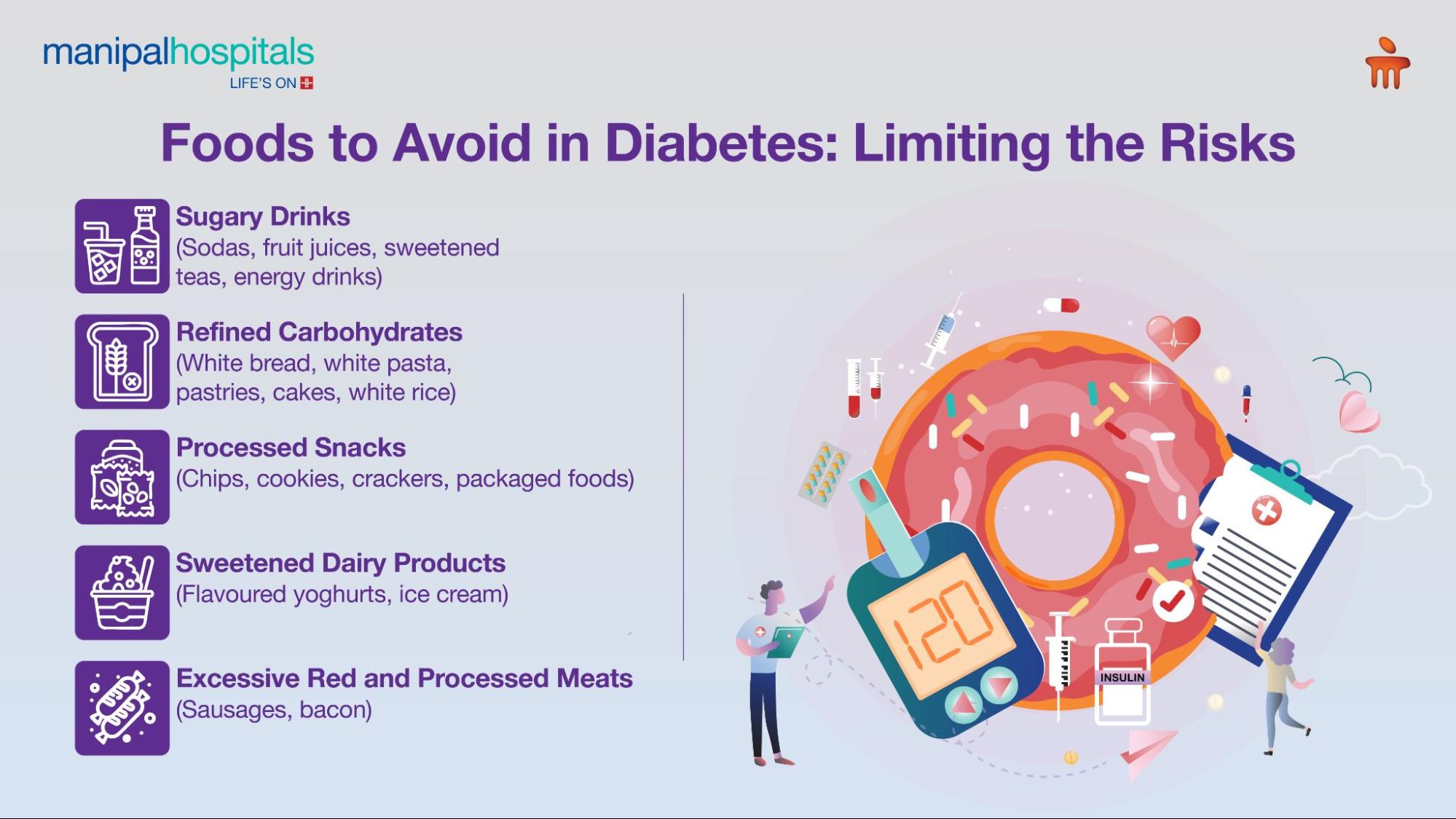
Living with diabetes requires a holistic approach, and at the heart of effective management lies a well-structured diet. Understanding which foods to embrace and which to limit is not just about controlling blood sugar; it's about empowering yourself for a healthier, more vibrant life. Here at Manipal Hospitals, our expert endocrinologists in Ghaziabad emphasise that a carefully curated diet for diabetes patients can significantly impact overall well-being, reducing the risk of complications and enhancing quality of life. This comprehensive guide will walk you through the best foods for diabetes, foods to avoid in diabetes, and essential dietary principles to help you navigate your journey.
Studies show that individuals who adhere to a prescribed diet plan can reduce their HbA1c levels by up to 1-2 percentage points, which translates to a significant decrease in the risk of diabetes-related complications. Let’s delve into how you can transform your eating habits for optimal health.
Synopsis
Understanding the Diabetes Diet: More Than Just Sugar Control
The primary goal of a diabetes diet is to help maintain stable blood glucose levels, but its benefits extend far beyond this. It's a powerful tool for weight management, blood pressure control, and cholesterol regulation – all critical factors in preventing cardiovascular disease, a common comorbidity with diabetes. A balanced diet for patients with diabetes is rich in fibre, lean protein, and healthy fats, while low in refined sugars and unhealthy carbohydrates. This approach helps the body utilise insulin more effectively and prevents rapid spikes and drops in blood sugar.
Incorporating a mindful approach to your meals can lead to substantial improvements. For instance, research indicates that over 60% of individuals with Type 2 diabetes who actively manage their diet experience improved energy levels and a reduced need for medication over time. This underscores the transformative power of a well-planned diabetes diet in achieving sustainable health outcomes. Engaging with healthcare professionals, including our nutritionists and endocrinologists in Ghaziabad, can provide personalised guidance tailored to your specific needs and medical history.
Best Foods for Diabetes: Your Plate for Progress
Building a plate that supports your diabetes management involves selecting nutrient-dense foods that have a minimal impact on blood sugar. Here are the categories to focus on:
Non-Starchy Vegetables
These are the superstars of any healthy diet, especially for diabetes. They are low in calories and carbohydrates but packed with vitamins, minerals, and fibre. Fibre slows down sugar absorption, aiding in blood glucose control. Aim for a colourful variety on your plate.
-
Leafy Greens: Spinach, kale, lettuce, collard greens. Rich in antioxidants and magnesium.
-
Cruciferous Vegetables: Broccoli, cauliflower, cabbage, Brussels sprouts. Excellent sources of vitamins C and K.
-
Other Options: Bell peppers, cucumbers, tomatoes, asparagus, mushrooms, green beans.
Consuming generous portions of these vegetables can lead to better satiety and help with weight management, which is crucial for over 80% of individuals with Type 2 diabetes. Vegetables for diabetes should form the largest portion of your meals.
Fruits for Diabetes Patients
While fruits contain natural sugars, they are also rich in fibre, vitamins, and antioxidants. The key is moderation and choosing fruits with a lower glycemic index.
-
Berries: Strawberries, blueberries, raspberries. High in fibre and antioxidants.
-
Apples: Best eaten with the skin for maximum fibre.
-
Pears: Another fibre-rich fruit.
-
Citrus Fruits: Oranges, grapefruits, lemons. Good source of Vitamin C.
Studies suggest that consuming whole fruits, rather than fruit juices, helps maintain more stable blood sugar levels due to their fibre content. Limit portion sizes to one serving at a time. Fruits for diabetes patients are an excellent healthy snack option when chosen wisely.
Lean Proteins
Protein helps you feel full, aids in muscle repair, and has minimal impact on blood sugar levels. It's essential for a balanced diabetes diet.
-
Poultry: Skinless chicken and turkey.
-
Fish: Salmon, mackerel, sardines (rich in Omega-3 fatty acids, which can improve heart health).
-
Eggs: A versatile and complete protein source.
-
Legumes: Lentils, chickpeas, black beans. Also, provide fibre.
-
Tofu/Tempeh: Plant-based protein options.
Including lean protein in every meal can reduce post-meal blood sugar spikes by up to 20%, offering better control for diabetes patients. This aspect of the diet for diabetes is fundamental for muscle maintenance and repair.
Healthy Fats
Fats are crucial for nutrient absorption and satiety, but choose healthy, unsaturated fats in moderation.
-
Avocado: Rich in monounsaturated fats.
-
Nuts and Seeds: Almonds, walnuts, chia seeds, flax seeds. Good source of fibre and healthy fats.
-
Olive Oil: Use for cooking and dressing.
Omega-3 fatty acids found in fish and certain seeds have been shown to reduce inflammation and improve heart health in diabetes patients. Incorporating these healthy fats into your diet for diabetes can significantly boost cardiovascular protection.
Whole Grains
Unlike refined grains, whole grains contain all parts of the grain kernel, including the fibre-rich bran. This slows down glucose absorption.
-
Oats: (Unprocessed, steel-cut or rolled oats).
-
Brown Rice: A better alternative to white rice.
-
Quinoa: A complete protein and high in fibre.
-
Whole Wheat Bread/Pasta: Look for 100% whole grain options.
The fibre in whole grains can help reduce the risk of heart disease by 20-30% in people with diabetes, making them a cornerstone of any effective diabetes diet.
Meal Planning and Portion Control: The Cornerstone of Diabetes Diet
Effective diabetes management isn't just about choosing the right foods; it's also about how much and when you eat. Meal planning helps you stay organised and make consistent healthy choices. The plate method is a simple visual tool:
-
Half your plate: Non-starchy vegetables (e.g., broccoli, spinach).
-
One-quarter of your plate: Lean protein (e.g., chicken breast, fish).
-
One-quarter of your plate: Carbohydrate-rich foods (e.g., a small portion of brown rice, quinoa, or a whole-grain chapati).
Portion control is vital. For example, a serving of fruit should be roughly the size of your fist, and a serving of protein about the size of your palm. Consistent portioning can help reduce the chances of blood sugar fluctuations, contributing to improved control for over 70% of diabetes patients. Adhering to these guidelines helps make your diet for diabetes a powerful management tool.
Conclusion: Empowering Your Health Journey
Embarking on a diabetes-friendly diet is a journey of empowerment. By making informed choices about the foods you eat and avoid, you take proactive steps towards better health, stable blood sugar levels, and a reduced risk of complications. At Manipal Hospitals, we are dedicated to supporting you every step of the way, providing expert care and resources to help you thrive.
If you are looking for personalised dietary advice or comprehensive diabetes management, our team of experts is here to help. Book an appointment with our expert endocrinologists at Manipal Hospitals today.
FAQ's
Yes, people with diabetes can eat fruits! Fruits are packed with vitamins, minerals, and fibre. The key is moderation and choosing fruits with a lower glycemic index, such as berries, apples, and pears. Always consume whole fruits instead of juices to benefit from the fibre, which helps slow down sugar absorption.
Good snacks for a diabetes diet include a handful of almonds or walnuts, a small apple with a tablespoon of peanut butter, Greek yoghurt with a few berries, vegetable sticks (like carrots or cucumbers) with hummus, or a hard-boiled egg. These options are rich in protein and fibre, helping to keep blood sugar stable.
Yes, brown rice is generally better than white rice for people with diabetes. Brown rice is a whole grain, meaning it retains its fibre-rich bran and germ, which white rice lacks. The fibre in brown rice helps slow down the absorption of sugar, leading to a more gradual rise in blood glucose levels compared to white rice.
For optimal diabetes management, it is generally recommended to eat three balanced meals a day at consistent times, with 1-2 small, healthy snacks in between if needed. This helps maintain stable blood sugar levels and prevents overeating. Skipping meals can lead to fluctuations in blood glucose.
While diet alone typically cannot "reverse" Type 2 Diabetes in the sense of a permanent cure for everyone, a well-managed diet, combined with exercise and weight loss, can lead to significant improvements in blood sugar control, and in some cases, even remission of Type 2 Diabetes. This means blood sugar levels can return to non-diabetic ranges without medication. Consult your healthcare provider for personalised advice.
Share this article on: