6 Min Read
Cancer remains a significant global health challenge, yet an increasing body of scientific evidence reveals that a substantial proportion of cancer cases are preventable through modifiable lifestyle choices. Our dedicated team, including our oncologists in Ghaziabad, are at the forefront of cancer care and prevention, committed to guiding you through effective strategies to mitigate your risk. This article delves into five key lifestyle changes that can profoundly impact your cancer prevention efforts, offering practical advice rooted in expert medical understanding.
The journey to reduced cancer risk often begins with small, consistent steps. Studies suggest that approximately 40% of cancer cases could be prevented through lifestyle modifications, highlighting the immense power we hold over our health destinies. By adopting these preventive health checkups and understanding cancer risk factors, you can significantly tilt the odds in your favour.
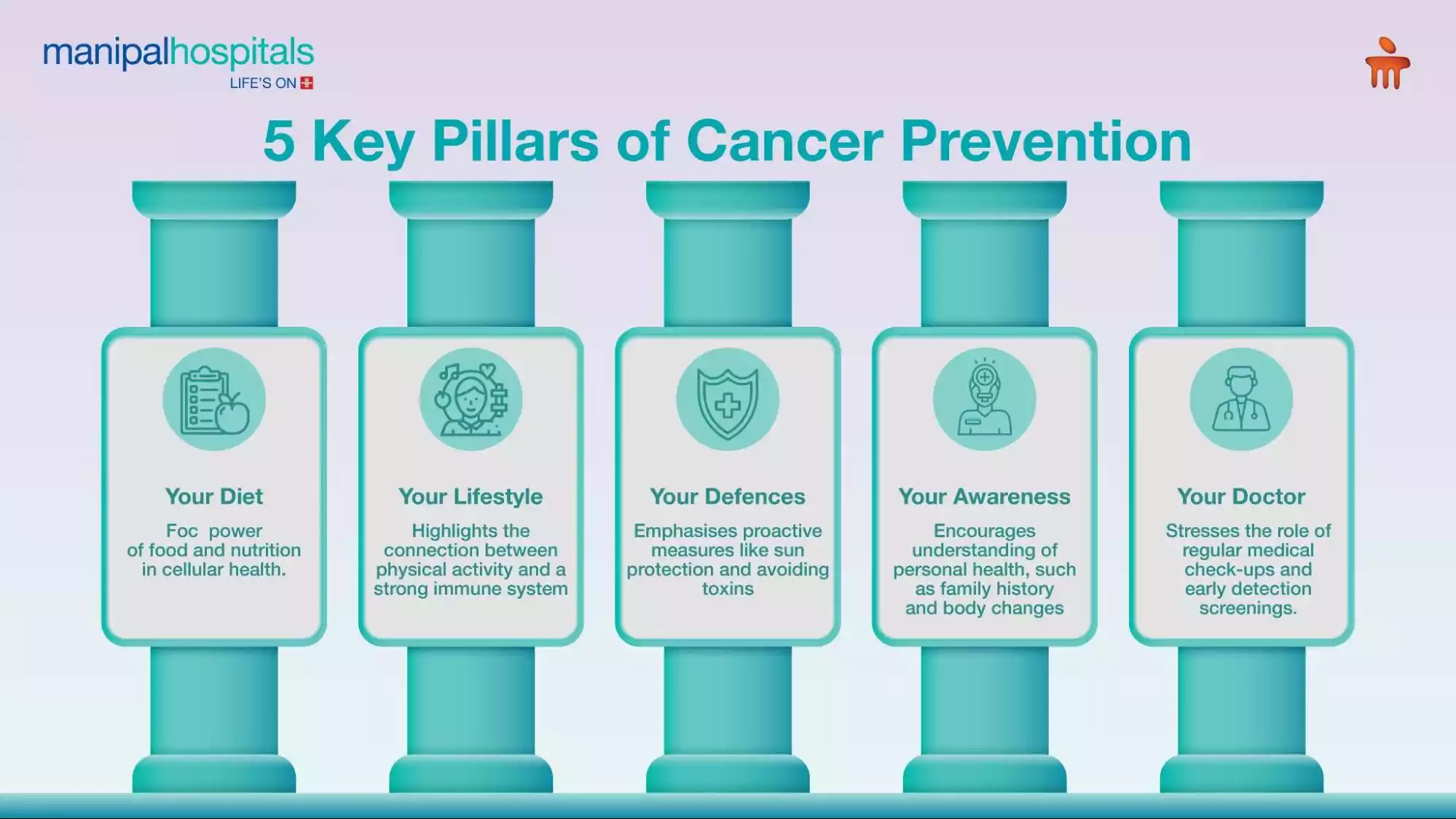
Synopsis
1. Embrace a Plant-Rich Diet: Anti-Cancer Foods at Your Fingertips
What you put on your plate plays a pivotal role in cancer prevention. A diet rich in fruits, vegetables, whole grains, and legumes provides your body with essential nutrients, antioxidants, and phytochemicals that can protect cells from damage. These foods that prevent cancer are often colourful and fibre-rich, working synergistically to reduce inflammation and inhibit tumour growth.
The Power of Phytochemicals
-
Antioxidants: Found abundantly in berries, dark leafy greens, and brightly coloured vegetables, antioxidants neutralise free radicals that can damage DNA and contribute to cancer development. For instance, incorporating a variety of fruits and vegetables daily can reduce the risk of certain cancers by up to 20%.
-
Fibre: Whole grains and legumes are excellent sources of fibre, which aids digestive health and can reduce the risk of colorectal cancer. A high-fibre diet has been shown to decrease colorectal cancer risk by an impressive 16-18%.
-
Cruciferous Vegetables: Broccoli, cauliflower, cabbage, and kale contain compounds like sulforaphane, known for their potent anti-cancer properties, particularly against breast and prostate cancers.
Limiting Processed Foods and Red Meat
Conversely, limiting the consumption of processed meats, red meat, and sugary beverages is equally crucial. Processed meats, in particular, have been classified as a Group 1 carcinogen by the WHO, meaning there is strong evidence they cause cancer. Reducing intake can significantly lower the risk of colorectal and other cancers.
2. Maintain a Healthy Weight: A Cornerstone of Cancer Prevention
Obesity is a major cancer risk factor, linked to at least 13 different types of cancer, including breast, colon, and pancreatic cancers. Excess body fat doesn't just store energy; it produces hormones and growth factors that can promote cancer cell growth. Maintaining a healthy weight through balanced nutrition and regular physical activity is one of the most effective strategies for preventing cancer.
The Link Between Weight and Cancer
-
Hormonal Influence: Fat cells produce excess oestrogen, which can drive the growth of hormone-sensitive breast and endometrial cancers.
-
Inflammation: Chronic low-grade inflammation, common in obese individuals, can contribute to DNA damage and promote tumour development.
-
Insulin Resistance: Obesity can lead to insulin resistance, causing higher levels of insulin and insulin-like growth factors, which can encourage cancer cell proliferation.
Achieving and maintaining a healthy weight can reduce your risk of several cancers by an average of 10-20%, making it a critical lifestyle change.
3. Stay Physically Active: Move More, Reduce Your Risk
Regular physical activity is a powerful tool in your cancer prevention arsenal. It helps maintain a healthy weight, improves hormone balance, strengthens the immune system, and can directly influence cell growth and repair. Even moderate activity can make a significant difference.
Benefits of Regular Exercise
-
Weight Management: Exercise burns calories, helping prevent weight gain and maintain a healthy BMI.
-
Hormone Regulation: Physical activity can reduce levels of insulin and oestrogen, which are linked to several cancers.
-
Immune System Boost: A robust immune system is better equipped to identify and destroy abnormal cells before they develop into cancer.
-
Reduced Inflammation: Exercise has anti-inflammatory effects, mitigating one of the drivers of cancer development.
Aim for at least 150 minutes of moderate-intensity aerobic activity or 75 minutes of vigorous-intensity activity each week. Studies show that regular exercise can lower the risk of colon cancer by up to 25% and breast cancer by 10-20%.
4. Limit Alcohol Consumption: Moderation is Key
Alcohol consumption is a well-established cancer risk factor. The more alcohol you drink regularly, the higher your risk of developing several types of cancer, including cancers of the mouth, throat, oesophagus, liver, and breast. Even moderate drinking is associated with an increased risk.
How Alcohol Contributes to Cancer Risk
-
Acetaldehyde Production: When your body metabolises alcohol, it produces acetaldehyde, a toxic chemical that can damage DNA and prevent cells from repairing the damage.
-
Hormonal Effects: Alcohol can increase blood levels of oestrogen, which contributes to the risk of hormone-sensitive breast cancer.
-
Nutrient Depletion: Heavy alcohol use can lead to nutrient deficiencies, particularly folate, which is involved in DNA repair.
The safest approach for cancer prevention is to avoid alcohol altogether. If you choose to drink, do so in moderation – up to one drink per day for women and up to two drinks per day for men. Reducing alcohol intake can decrease the risk of certain cancers by 5-10%.
5. Essential Sun Safety Practices
-
Seek Shade: Especially between 10 AM and 4 PM when the sun's rays are strongest.
-
Wear Protective Clothing: Long-sleeved shirts, trousers, and wide-brimmed hats offer excellent protection.
-
Use Sunscreen: Apply broad-spectrum sunscreen with an SPF of 30 or higher liberally and reapply every two hours, or more often if swimming or sweating.
-
Avoid Tanning Beds: Tanning beds emit UV radiation that is just as dangerous, if not more intense, as natural sunlight.
Consistent sun protection can reduce your lifetime risk of skin cancer by more than 50%, underscoring the effectiveness of these simple measures. Regular skin checks, both self-checks and professional examinations, are also vital for early detection.
Implementing these lifestyle changes provides a robust defence against cancer. Regular preventive health checkups and staying informed about cancer screening tests are also vital components of a comprehensive cancer prevention strategy. Our experts are always available to provide personalised advice and support, whether it's through consultation with our oncologists in Ghaziabad or general wellness programmes.
Conclusion
If you are experiencing any health concerns or wish to discuss your cancer risk profile, it's crucial to seek timely medical advice. Book an appointment with our expert oncologists at Manipal Hospitals Ghaziabad today.
FAQ's
While no single food can guarantee cancer prevention, incorporating a variety of anti-cancer foods into a balanced diet can significantly lower your risk. These foods provide beneficial compounds that support overall health and protect against cellular damage.
The frequency of cancer screening tests depends on your age, gender, personal medical history, and family history. It's crucial to discuss a personalised screening schedule with your doctor. For instance, women aged 40 and above are generally advised to undergo regular mammograms.
Absolutely not. While genetics play a role, lifestyle changes can still profoundly impact your risk, even with a family history of cancer. Modifying your lifestyle can help counteract genetic predispositions and empower your body's natural defences.
For significant cancer risk reduction, aim for at least 150 minutes of moderate-intensity aerobic activity or 75 minutes of vigorous-intensity activity per week, along with two days of strength training. Even small increases in daily activity can offer benefits.
While all five changes are crucial, maintaining a healthy weight through a balanced diet and regular physical activity is often considered foundational, as obesity is a major risk factor for multiple cancer types. Avoiding tobacco and excessive alcohol use are also top priorities.
Share this article on: