5 Min Read
Polycystic Ovary Syndrome (PCOS) is more than just a reproductive issue; it is a complex endocrine disorder that can affect almost every system of a woman's body, creating a cascade of challenges from metabolic health to mental well-being. Globally affecting approximately 1 in 10 women of reproductive age, PCOS manifests as a hormonal imbalance that can significantly impact quality of life if not properly managed. This blog aims to help you understand the breadth of PCOS symptoms as the first step towards effective management and regaining control.
Synopsis
Hormonal imbalance and PCOS
PCOS is characterised by an imbalance of reproductive hormones. Women with PCOS often produce higher-than-normal levels of androgens (male hormones), leading to many of the recognisable PCOS symptoms. Additionally, insulin resistance is a common feature, where the body's cells do not respond effectively to insulin. This compels the pancreas to produce more insulin, further contributing to increased androgen production. This creates a vicious cycle that exacerbates PCOS weight gain, hormonal causes, and other issues related to the condition.
PCOS Symptoms
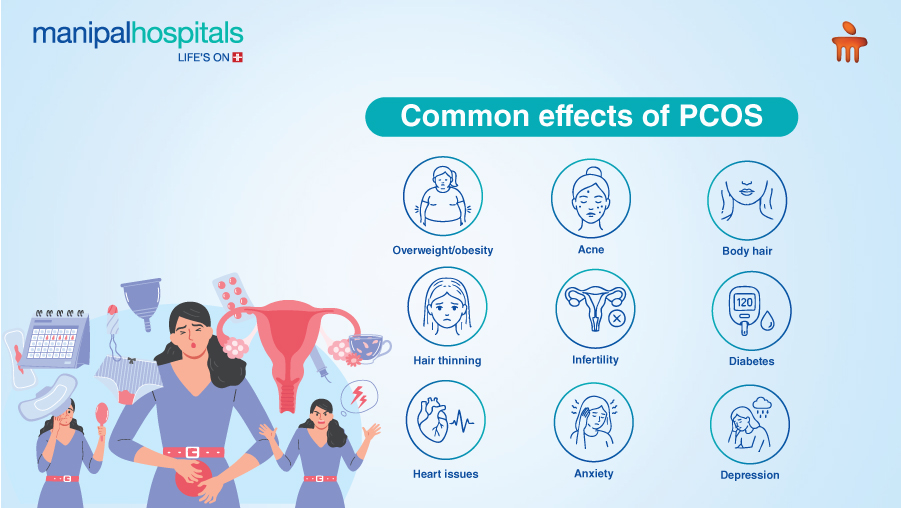
PCOS symptoms can vary from person to person and often develop gradually due to hormonal imbalance affecting the ovaries and metabolism. Common symptoms include:
-
Irregular or missed periods
-
Excessive facial or body hair growth
-
Acne and oily skin
-
Weight gain or difficulty losing weight
-
Hair thinning or hair fall
-
Difficulty conceiving
-
Dark patches of skin, especially around the neck or underarms
-
Mood changes and fatigue
PCOS Vs PCOD
People often confuse PCOS with PCOD. To put in simple words, PCOS and PCOD (Polycystic Ovarian Disease) are hormonal conditions that affect the ovaries, but PCOS is usually more serious. In PCOD, the ovaries produce immature eggs that can turn into small cysts, causing irregular periods, weight gain, and acne. PCOS also affects hormones and metabolism, leading to symptoms like irregular periods, excessive hair growth, acne, and difficulty in pregnancy. PCOD can easily be managed with a healthy lifestyle, while PCOS may also need long-term medical care.
The Multi-Faceted Impact of PCOS
1. Weight management challenges
One of the most common and frustrating PCOS symptoms is difficulty managing weight, often leading to obesity. Up to 80% of women with PCOS experience weight gain, primarily due to insulin resistance, which promotes fat storage, particularly around the abdomen. This increased fat tissue can, in turn, worsen insulin resistance, creating a challenging cycle that impacts overall metabolic health. It also increases the risk of type 2 diabetes and cardiovascular disease.
2. Skin & hair concerns
Elevated androgen levels in PCOS can significantly affect skin and hair. This often leads to skin and hair issues like acne (due to increased oil production), hirsutism (excessive body hair), and hair thinning on the scalp, often requiring extensive treatments like PCOS hair fall treatment. These visible PCOS acne, irregular periods, and other symptoms can have a significant psychological impact.
3. Fertility & reproductive health
PCOS is a leading cause of anovulatory infertility, where the ovaries do not regularly release an egg. The hormonal imbalance disrupts the menstrual cycle, leading to irregular periods or even absent periods. This makes conception difficult for many women with PCOS, PCOD and infertility concerns. However, with personalised medical interventions and lifestyle modifications, many women achieve pregnancy. Success rates for conception with appropriate fertility treatments and lifestyle changes often exceed 70% within a year for those actively trying to conceive.
4. Mental health impact
Living with a chronic condition like PCOS, with its diverse and often visible symptoms, can profoundly affect mental health. Women with PCOS have a significantly higher risk of experiencing anxiety, depression, and body image issues. The hormonal fluctuations, coupled with the stress of managing symptoms like weight gain, acne, and infertility, contribute to this increased vulnerability. Recognising and addressing these mental health aspects is crucial for holistic care.
Management and Support
Managing PCOS requires a comprehensive approach, often involving:
-
Lifestyle modifications particularly diet and exercise that are powerful tools in improving insulin sensitivity, managing weight, and regulating hormones.
-
Nutritional guidance emphasising on a balanced diet rich in fibre, lean protein, whole grains, and healthy fats that supports hormone balance and a healthy body weight.
-
Medical therapies including specific prescribed medicines, therapies, and regular follow-ups with a multidisciplinary team to provide holistic support.
Care Essentials
Consistent changes in the daily routine and behavioural shifts are foundational to significant improvement in 50-70% of PCOS symptoms. These effectively involves:
-
Prioritising a balanced diet
-
Exercising regularly
-
Managing stress
-
Seeking timely medical advice
-
Monitoring symptoms
-
Avoiding self-medication or crash diets
-
Prioritising mental well-being
Conclusion
PCOS is a lifelong condition that can affect physical, emotional, and reproductive health, but with early diagnosis, proper guidance, and consistent lifestyle changes, its symptoms can be effectively managed. At Manipal Hospitals, our experienced specialist provide comprehensive and personalised PCOS care, focusing on hormonal balance, fertility support, nutrition, and overall well-being to help women lead healthier and more confident lives.
If you or someone you know is experiencing any of the symptoms relating to PCOS or PCOD, it is crucial to seek timely medical advice. Book an appointment with our expert gynaecologists at Manipal Hospitals Dhakuria today.
FAQ's
PCOS is a chronic condition, meaning there is no "cure" in the traditional sense. However, its symptoms can be effectively managed through lifestyle changes and medical interventions.
Yes, many women with PCOS successfully conceive. While it can be more challenging due to irregular ovulation, various fertility treatments and lifestyle adjustments can significantly improve your chances.
Diagnosis typically involves a review of your medical history, a physical exam (including checking for signs of excess androgen), blood tests to measure hormone levels, and sometimes an ultrasound to check for ovarian cysts.
Not necessarily. While the name ‘polycystic’ refers to the presence of multiple small follicles on the ovaries, this is not a universal finding, and diagnosis depends on a combination of symptoms and hormonal indicators.
While often used interchangeably, PCOD (Polycystic Ovarian Disease) is considered a milder form. PCOS is a more complex endocrine disorder involving multiple symptoms beyond just the ovaries, including hormonal imbalances and metabolic issues. Manipal Hospitals often refers to the broader, more accurate term PCOS.
Share this article on:


24.png)