8 Min Read
Looking in the mirror and feeling unhappy with the shape of your chest is a common experience that many people face. Chest fat is one of those concerns that can affect more than appearance. It can change how clothes fit, make exercise feel discouraging, and lower confidence in everyday situations. For many people, the first question is how to reduce chest fat in a way that feels practical, safe, and realistic. The answer depends on what is actually causing the chest fullness, because chest fat is not always the same in men and women, and it is not always just a simple weight issue.
This blog gives you actionable information on how to reduce chest fat using natural methods. We will look at why this fat accumulates, the biological differences between men and women, and the specific exercises and dietary changes that lead to results.
Synopsis
- The Biology of Fat Distribution
- Male Chest Fat: Gynecomastia vs. Pseudogynecomastia
- How to Reduce Chest Fat for Males?
- How to Reduce Chest Fat for Females?
- Essential Exercises for Pectoral Definition
- Lifestyle Habits That Make a Difference
- Addressing Persistent Chest Fat
- When to Consult a Doctor?
- Conclusion
The Biology of Fat Distribution
To understand how to reduce chest fat, you first need to understand why your body chose to put it there in the first place. Men and women have different hormonal profiles that dictate where fat is stored. In general, women naturally have a higher body fat percentage because their bodies are biologically designed to support reproductive health. Estrogen encourages fat storage in the breasts, hips, and thighs.
In contrast, men usually store fat in the abdominal and chest areas. When a man has excess tissue in the chest, it is often due to a drop in testosterone or an increase in estrogen. This can lead to the development of glandular tissue or simply an accumulation of fat cells. When you look into how to reduce chest fat, identifying whether the tissue is soft fat or firm glandular tissue is a vital first step.
Male Chest Fat: Gynecomastia vs. Pseudogynecomastia
For men, the journey to reduce chest fat often involves distinguishing between two conditions. Many men will experience some form of chest enlargement during their lives, but the cause determines the treatment.
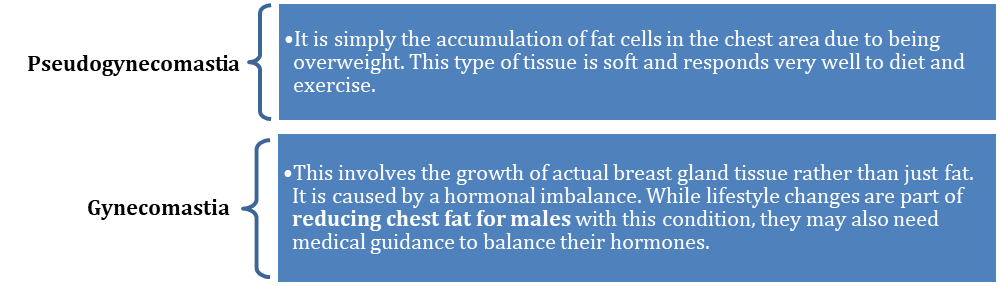
If the tissue feels firm or tender right behind the nipple, it may be glandular. If it feels soft and consistent with the rest of the body's fat, then standard weight loss strategies will likely be very effective.
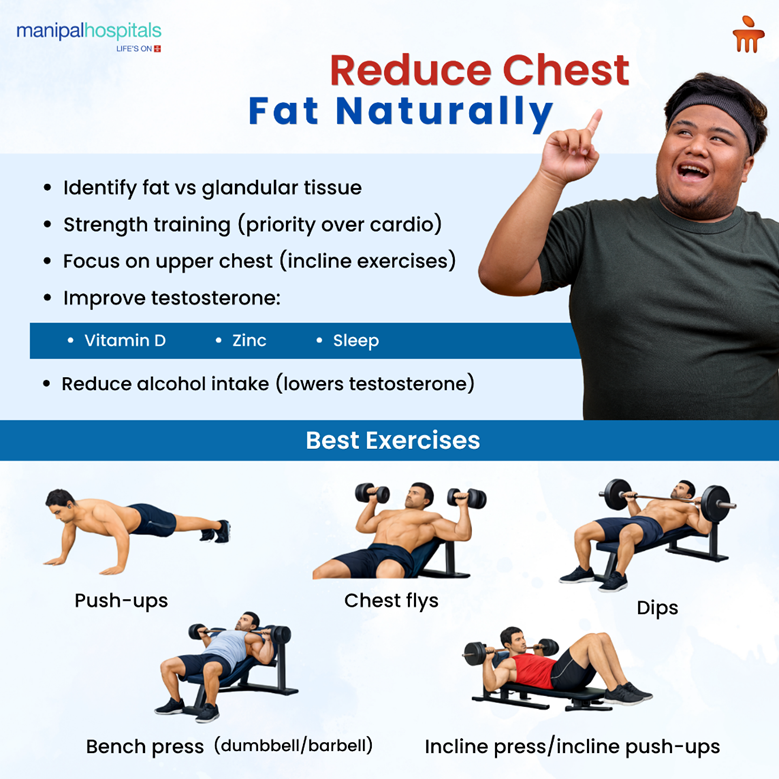
How to Reduce Chest Fat for Males?
Many men experience enlarged male breast tissue at some point in their lives. In fact, research suggests that a significant number of men deal with this issue, which can be quite distressing. Today's sedentary IT lifestyle also leads to poor posture and rounded shoulders, which can make chest fat appear more prominent. When researching how to reduce chest fat for male health, you need to determine if you have true gynaecomastia or pseudogynaecomastia.
-
Differentiate Tissue Types: Pseudogynecomastia is simply fat buildup without gland involvement. This is the easiest type to address through diet and exercise. True gynaecomastia involves excess glandular tissue from hormone imbalances and may require a medical check-up.
-
Focus on Testosterone Support: Low testosterone can lead to fat accumulation in the chest. To support your hormone goals, focus on getting enough zinc, vitamin D, and high-quality sleep.
-
Limit Oestrogen-Promoting Factors: Certain lifestyle habits, such as excessive alcohol consumption, can increase oestrogen levels in men. Reducing alcohol is a practical step to see weight loss progress.
-
Build the "Inner" and "Upper" Chest: Using exercises like incline presses and cable flys can help create a more defined pectoral shape.
-
Strength Training over Cardio: While cardio is good, men often see better results by focusing on heavy resistance training, which boosts the metabolic rate and hormone profile.
How to Reduce Chest Fat for Females?
Women's chest fat usually comes from their overall body fat percentage and genetics. Because you cannot choose where your body burns fat first, the most effective way on how to reduce chest fat for females is a total body fat loss approach.
This can be achieved through calorie deficit, while the exercise provides the lift and firmness mentioned.
-
Total Body Weight Management: Since breast tissue contains both fat and glandular components, the most reliable way for females is to create a consistent calorie deficit.
-
High-Intensity Interval Training (HIIT): HIIT is excellent for burning fat throughout the body. Incorporating 20–40 minutes of HIIT, at least four times a week, is a proven way to reduce chest fat for female health.
-
Upper Body Toning: Doing high repetitions of light-weight exercises, such as dumbbell flys or chest presses, helps firm the muscles under the breast tissue.
-
Posture Correction: Improving your posture can immediately change how your chest looks. Strengthening the back muscles helps pull the shoulders back.
Essential Exercises for Pectoral Definition
To effectively see results, you must combine strength training with cardiovascular activity. Building the muscle underneath the fat is a core part of how to reduce chest fat.
-
Push-ups: This exercise involves the chest, shoulders, and triceps. It is one of the most accessible ways to reduce chest fat because you can do it anywhere.
-
Bench Press: Using dumbbells or barbells builds upper body strength and increases muscle mass, which helps you burn more calories even at rest.
-
Chest Flys: This movement targets the chest muscles directly by stretching and contracting them through a wide range of motion. It is very effective for defining the pectoral area.
-
Dips: Performing dips between chairs or on a dip station creates deeper muscle involvement in the lower chest, helping to "lift" the area.
-
Incline Movements: Working on an incline focuses on the upper chest. This is a useful strategy for reducing chest fat because it creates a more balanced and athletic look.
Lifestyle Habits That Make a Difference
Beyond the gym and the plate, your daily habits influence chest fat reduction. Your body is a complex system, and things like stress and sleep play a massive role in where you store weight.
Manage Your Stress
When you are stressed, your body produces cortisol. High levels of cortisol are directly linked to increased fat storage in the chest and stomach. If you are struggling with reducing fat, try incorporating simple breathing exercises or short walks to keep your stress levels in check.
Prioritize Sleep
Your body regulates its hormones while you sleep. Lack of sleep can lower testosterone and increase hunger hormones, making it much harder to follow a plan to reduce chest fat. Aim for 7 to 9 hours of quality rest every night.
Consistency is Key
One of the biggest hurdles in reducing chest fat is expecting instant results. Fat loss is a gradual process. Most people start to see a visible difference in their chest shape after about 8 to 12 weeks of consistent effort.
Addressing Persistent Chest Fat
Sometimes, despite your best efforts to reduce chest fat, the tissue remains unchanged. This can be confusing and discouraging. If you've been dieting and exercising but see no progress, it may be time to look deeper.
Hormonal imbalances, certain medications, or underlying health conditions can sometimes prevent the body from releasing fat in the chest area. In these cases, the best way to reduce chest fat is to seek professional guidance. A doctor can run blood tests to check your hormone levels and ensure there are no other factors at play.
When to Consult a Doctor?
While natural methods are the best starting point for reducing chest fat, there are specific "red flags" that require a medical opinion. You should speak with a doctor if you notice:
-
Pain or tenderness in the chest tissue.
-
A firm, hard lump behind the nipple.
-
Fluid discharge from the nipple area.
-
A sudden, significant increase in chest size that is not related to weight gain.
Conclusion
Reducing chest fat is a journey that requires both patience and a clear plan. Because fat storage varies between men and women, success depends on using strategies that fit your specific biology. For those seeking expert advice on how to reduce chest fat in Bangalore, the specialists at Manipal Hospitals can provide a thorough evaluation. The specialists can help determine whether your chest fat is solely a weight issue or if it requires addressing a hormonal component.
FAQ's
Yes, you can lose fat through a calorie deficit and cardio, but the chest may look saggy if the underlying muscle is not developed. Incorporating resistance is a key part of how to reduce chest fat effectively.
While everybody is different, most people see changes in their chest contour within 2 to 3 months of following a dedicated plan on how to reduce chest fat.
Yes. Alcohol is high in "empty" calories and can interfere with testosterone production. Reducing alcohol is a very effective step in reducing chest fat.
Yes, it is very common for boys to develop temporary chest tissue during puberty due to hormone shifts. This usually resolves on its own, but learning healthy habits early is part of how to reduce chest fat for life.
No single food can target fat in one area. However, eating a balanced diet that supports hormone health is the most reliable way to reduce chest fat.
Share this article on: