7 Min Read
In our rapidly urbanizing world, the air we breathe often carries an invisible burden: ‘pollution’. This pervasive environmental challenge is a critical concern for public well-being, particularly for respiratory health. It is paramount for communities to understand the profound impact of poor air quality on our lungs. This article delves into the air pollution effects on your lung health, the common respiratory problems from air pollution, and proactive steps to protect yourself.
Air pollution effects: The invisible enemy of lung health
Air pollution is a complex mixture of particles and gases like ozone, nitrogen dioxide, and particulate matter. When inhaled, these pollutants penetrate deep into the lungs, causing inflammation, oxidative stress, and structural damage.The long-term air pollution effects can develop slowly over time, often appearing years after exposure and gradually damaging important lung functions.
Synopsis
Microscopic invaders: All that happens inside your lungs
Air pollution does not just affect breathing, but also triggers a series of harmful changes deep inside the lungs, impacting their structure, function, and ability to defend the body. These impacts could be:
-
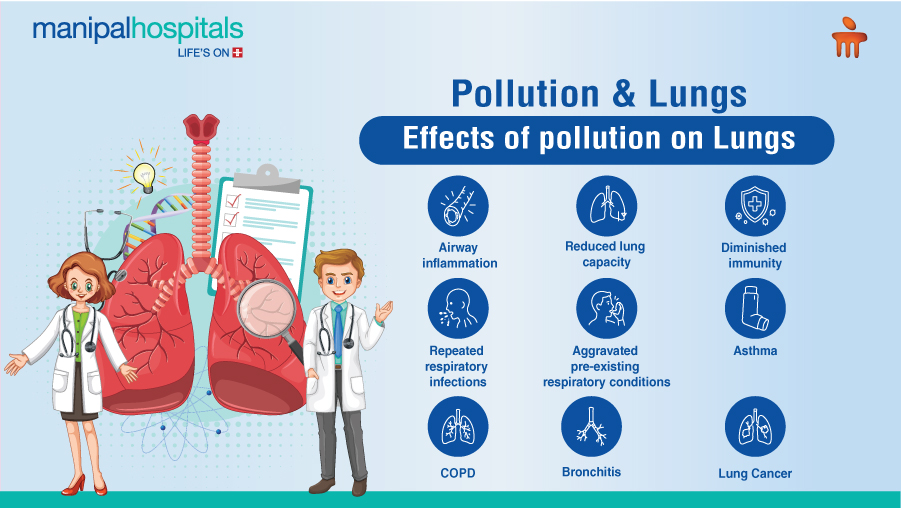
Inflammation- Pollutants irritate airways, leading to chronic inflammation that narrows air passages
-
Reduced lung function- Prolonged exposure decreases lung capacity and efficiency
-
Impaired immune response- Air pollution weakens defenses, increasing susceptibility to respiratory infections
-
Exacerbation of existing conditions- For those with chronic respiratory illnesses, air pollution effects can worsen flare-ups
Respiratory problems: A growing concern due to air pollution
The link between poor air quality and a range of respiratory conditions is undeniable. The severity of respiratory problems from air pollution can range from temporary discomfort to chronic, life-threatening diseases. Common ailments linked to air pollution include:
-
Asthma- Pollutants trigger attacks and contribute to new cases, especially in children
-
COPD- Long-term exposure to particulate matter significantly increases the risk of Chronic Obstructive Pulmonary Disease (COPD)
-
Bronchitis- Both acute and chronic bronchitis are induced or worsened by inhaled irritants
-
Lung cancer- Prolonged exposure to certain air pollutants is a classified carcinogen, increasing lung cancer risk
Pollution and respiratory diseases: What you can do
Understanding the connection between air pollution and lung disease is the first step toward safeguarding your respiratory health. While eliminating pollution is a societal challenge, many personal measures can reduce exposure and mitigate the impact. When discussing how to treat bad air quality effects, immediate medical attention is vital for symptoms like:
-
Wheezing
-
Chest tightness or discomfort
-
Throat irritation
-
Increased mucus production
-
Frequent respiratory infections
-
Sneezing or nasal congestion
-
Fatigue during physical activity
-
Worsening of asthma or COPD symptoms
How to shield your lungs from bad air quality
While avoiding air pollution entirely may not always be possible, adopting a few simple preventive measures can significantly reduce its harmful impact on your lungs and overall respiratory health.
-
Monitor air quality- Check local Air Quality Index (AQI) reports; limit outdoor activities on high pollution days
-
Improve indoor air quality- Use air purifiers with HEPA filters and keep windows closed during peak pollution
-
Wear protective masks- N95 or KN95 masks can filter fine particulate matter outdoors
-
Stay hydrated and eat well- A strong immune system and antioxidant-rich diet can combat environmental stressors
Guidelines to follow: What you should do and what you should not
Following a few essential do’s and don’ts can help protect your lungs and reduce the harmful effects of poor air quality on your respiratory health, such as:
-
Check daily air quality forecasts
-
Use an air purifier at home
-
Stay well-hydrated
-
Consult a healthcare professional at Manipal Hospitals for persistent respiratory symptoms
-
Avoid exercising outdoors on high AQI days
-
Abstain from smoking
-
Do not ignore chronic cough or breathlessness
Conclusion
The relation between pollution and respiratory diseases is deeply concerning, as continuous exposure to harmful pollutants can irritate and damage the lungs, weaken respiratory defenses, and increase the risk of conditions such as asthma, bronchitis, COPD, and lung infections.This makes prevention and early care essential. At Manipal Hospitals, our expert pulmonology team offers advanced care and personalised treatment to help protect and improve your respiratory health.
If you experience respiratory symptoms like persistent cough, wheezing, or breathlessness, or are concerned about the air pollution effects on your lung health, seek timely medical advice from our expert pulmonologist at Manipal Hospitals Siliguri (Pradhan Nagar) for comprehensive care and guidance.
FAQ's
The most harmful components include particulate matter (PM2.5 and PM10), ground-level ozone, nitrogen dioxide, and sulfur dioxide. PM2.5, in particular, can penetrate deep into the lungs due to its small size, causing significant damage.
Both. While it significantly worsens conditions like asthma and COPD, prolonged exposure to pollutants can also contribute to the development of new cases of asthma, bronchitis, and even lung cancer in previously healthy individuals.
Yes, children's lungs are still developing, and they breathe faster, inhaling more pollutants relative to their body size. The elderly often have weaker immune systems and pre-existing health conditions, making them more susceptible to the adverse effects of air pollution.
It can be challenging to distinguish pollution-related symptoms from other causes. However, if your symptoms consistently worsen on high-pollution days or when you are in polluted environments, it's a strong indicator. A doctor at Manipal Hospitals can help diagnose the cause.
Manipal Hospitals offers comprehensive diagnostic services, including lung function tests and imaging, to assess the damage caused by pollution. We provide personalised treatment plans, medication management, pulmonary rehabilitation, and expert advice on managing and preventing further harm from pollution and respiratory diseases.
Share this article on: