5 Min Read
The liver is one of the most essential organs of the body, and it is responsible for several vital functions, including detoxification and digestion. However, liver disease has recently been on the rise among young adults, leaving many of them susceptible to severe complications. One of the most common types of liver disease is Non-Alcoholic Fatty Liver Disease (NAFLD), which may affect people of all ages but has been significantly on the rise among younger individuals. Staying vigilant about the first signs of liver problems can lead to getting timely treatment. This blog has been compiled to highlight possible causes of liver disease, associated symptoms and effective treatment options.
Synopsis
Causes of Liver Problems in Young Adults
A problem normally associated with individuals ageing 50 years and above, a surge in liver issues among young adults is likely due to certain modern lifestyle factors that could exacerbate that risk. Understanding the causes of liver problems is the first step towards prevention.
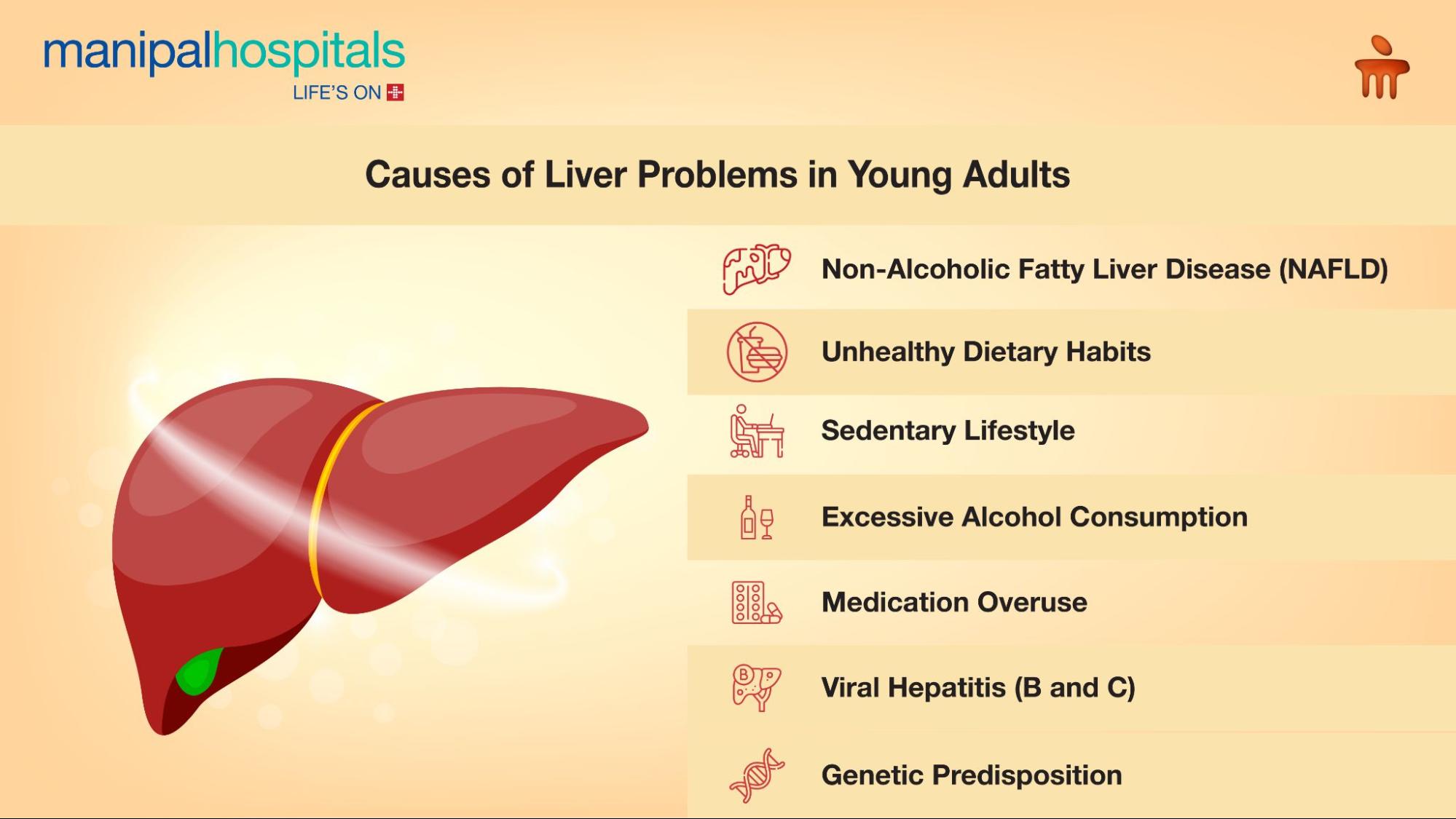
-
Unhealthy Dietary Habits: Diets rich in processed foods, sugary beverages, and unhealthy fats contribute significantly to liver fat accumulation. This causes inflammation, leading to liver disease and related complications.
-
Sedentary Lifestyle: Lack of physical activity exacerbates weight gain and metabolic imbalances, increasing the risk of NAFLD and other liver conditions.
-
Excessive Alcohol Consumption: Binge drinking and regular heavy alcohol intake among young adults can lead to alcoholic fatty liver, alcoholic hepatitis, and eventually liver cirrhosis.
-
Medication Overuse: Excess or incorrect use of certain medications, like painkillers, paracetamol or herbal supplements, has been linked to liver damage and subsequent complications.
-
Genetic Predisposition: Some individuals may have a genetic susceptibility to certain liver conditions, such as haemochromatosis (iron overload) or Wilson's disease (copper overload).
Understanding Liver Problem Symptoms
Liver disease can progress silently, with many young adults experiencing no noticeable liver problem symptoms in the early stages. Therefore, it is important to be aware of the first signs of liver disease, as that can help get life-saving treatment at the right time.
-
Fatigue and Weakness: Persistent, unexplained tiredness, even with sufficient rest or minimal activity.
-
Nausea and Vomiting: Frequent episodes of feeling sick, which can signal underlying liver disease.
-
Abdominal Pain or Discomfort: A dull ache in the upper right abdomen, where the liver is situated.
-
Dark Urine: Urine appearing dark yellow or tea-coloured.
-
Pale Stools: Pale yellow, clay-coloured or very light-coloured stools, indicating possible liver disease.
-
Jaundice: Yellowing of the skin and eyes.
-
Itchy Skin: Persistent, generalised itching without a rash.
-
Fluid Retention (Edema/Ascites): Swelling in the legs, ankles, or abdomen due to fluid accumulation.
-
Easy Bruising or Bleeding: Impaired blood clotting, leading to frequent bruises or bleeding.
-
Loss of Appetite: A general disinterest in food.
Confusion or Memory Problems: In severe cases of liver disease, the toxins may affect brain function due to hepatic encephalopathy.
How to Cure Liver Problem?
For many liver conditions, especially when detected early, significant improvement and even reversal are possible. The approach to healing largely depends on the underlying cause, but lifestyle modifications form the cornerstone of treatment for most young adults.
Lifestyle Modifications:
-
Dietary Changes: Adopting a diet that is rich in fruits, vegetables, whole grains, and healthy fats can significantly reduce liver fat. Studies have shown that a significant number of people have resolved early-stage non-alcoholic fatty liver disease through a healthy diet.
-
Regular Exercise: At least 30 minutes of moderate-intensity activity most days of the week can aid weight management and improve insulin sensitivity.
-
Weight Management: Losing even 5-10% of body weight can dramatically improve liver health, particularly for those with fatty liver disease.
-
Alcohol Abstinence: For alcoholic liver disease, complete cessation of alcohol is non-negotiable and can lead to significant recovery, especially in earlier stages.
-
Vaccination: Vaccination against common viruses responsible for chronic viral hepatitis is essential to prevent liver disease and subsequent damage.
Medical Management:
-
Managing Underlying Conditions: Effective control of diabetes, high cholesterol, and hypertension is vital for liver health.
-
Advanced Interventions: In severe cases of irreversible damage (cirrhosis), liver transplantation may be considered.
Conclusion
Early intervention for liver symptoms and vaccination against viral liver infections are keys to good liver health. Furthermore, the above-mentioned important lifestyle modifications are important for maintaining liver health. If you or your loved one is at risk of liver disease, do not delay! Book an appointment with the experts at Manipal Hospitals Salt Lake for comprehensive care.
FAQ's
Liver disease can affect any age group, but older adults were considered to be specifically at risk. However, there has been a concerning rise of liver disease cases among younger individuals, making preventative measures all the more important.
While overconsumption of alcohol is one of the principal factors behind liver disease, unhealthy diet, low activity, obesity, smoking, excess alcohol consumption, and certain genetic predisposition may also put one at risk of liver disease.
Acute or chronic viral hepatitis can bring more complications to already damaged liver. Therefore, it is always important to remain vaccinated against those viruses.
Jaundice, or the yellowing of the skin and the white part of the eyes (sclera), is a symptom of liver disease, signalling excess concentration of bilirubin in the blood.
Adopting a diet rich in fruits, vegetables, and whole grains, engaging in regular physical activity, maintaining a healthy weight, and avoiding excessive alcohol consumption are crucial lifestyle changes that can dramatically improve liver health and function.
Share this article on: