5 Min Read
Tachycardia symptoms are a common reason people seek cardiac consultation, as a racing heart can be both uncomfortable and alarming. In simple terms, tachycardia refers to a heart rate that is faster than normal, usually above 100 beats per minute at rest. While occasional episodes may be harmless, persistent or severe tachycardia symptoms can signal an underlying heart condition that needs medical attention. Our cardiologists in Ranchi often emphasise that early recognition of tachycardia symptoms plays a crucial role in preventing complications and ensuring timely treatment.
This comprehensive guide explains what is tachycardia, explores tachycardia causes, outlines common and serious warning signs, and discusses tachycardia treatment options. Understanding these aspects helps patients make informed decisions about their heart health and know when to seek professional care.
Synopsis
What Is Tachycardia?
To understand tachycardia symptoms, it is important to first clarify what tachycardia is. Tachycardia is a condition where the heart beats faster than normal due to abnormal electrical signals in the heart. These signals control the rhythm and speed of heartbeats, and any disruption can lead to tachycardia symptoms.
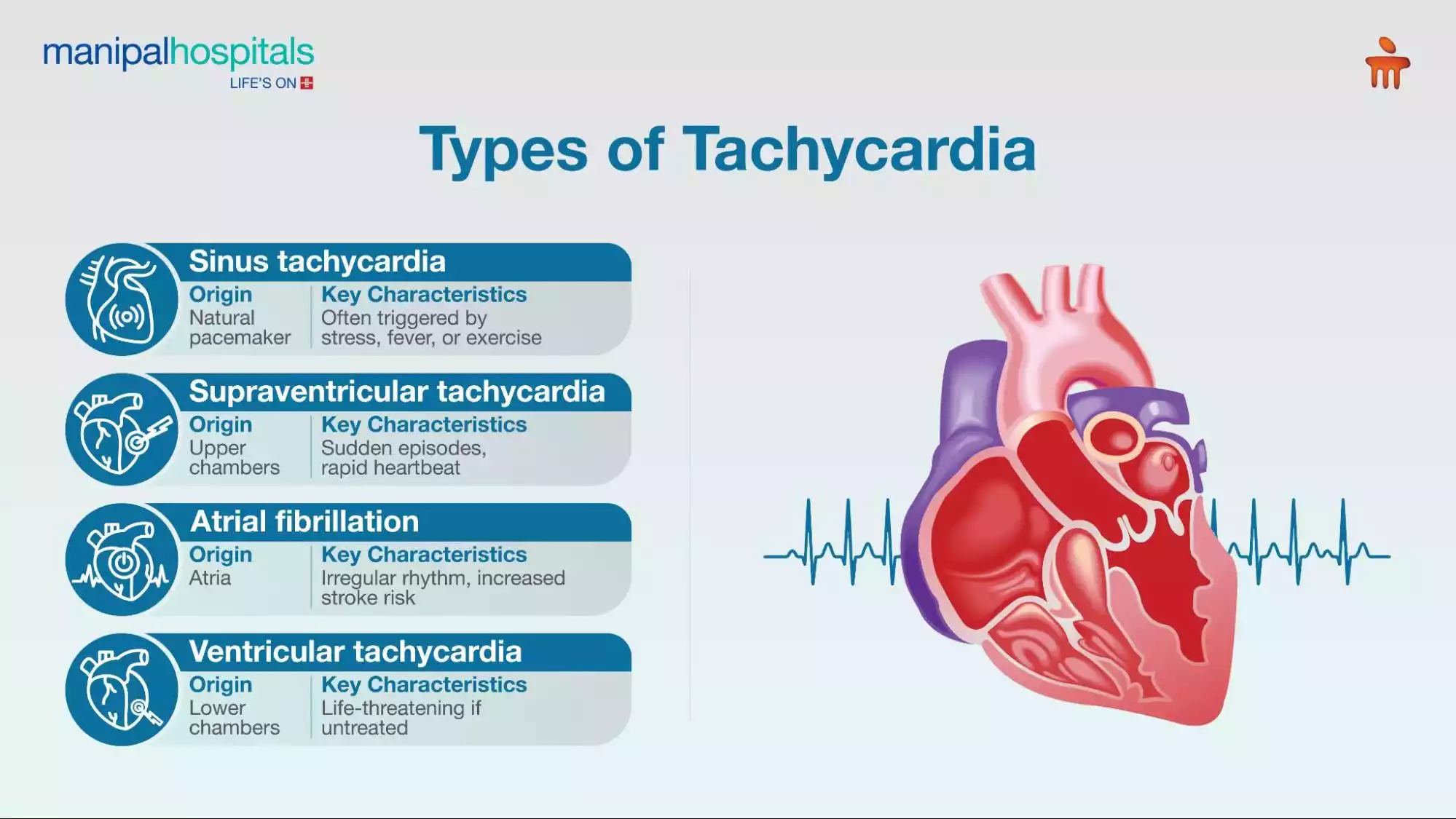
Tachycardia can originate from different parts of the heart, such as:
-
Atria (upper chambers)
-
Ventricles (lower chambers)
-
Electrical pathways between chambers
Not all fast heart rates are dangerous. Exercise, stress, or fever can temporarily increase heart rate. However, when tachycardia symptoms occur without an obvious trigger or persist for long periods, further evaluation is necessary.
Common Tachycardia Symptoms to Watch For
Tachycardia symptoms can vary widely depending on the type, severity, and overall heart health of the individual. Some people may experience mild discomfort, while others may have severe symptoms that interfere with daily life.
Frequently Reported Tachycardia Symptoms
-
Rapid or pounding heartbeat – A noticeably fast heart rate that may feel forceful, irregular, or unsettling during rest or minimal activity.
-
Fluttering sensation in the chest – A brief or persistent feeling of heart flutters, skipped beats, or abnormal rhythm awareness.
-
Shortness of breath – Difficulty breathing or feeling breathless, especially during mild exertion or sudden tachycardia episodes.
-
Chest discomfort or pain – Mild pressure, tightness, or aching sensation that may worsen with prolonged rapid heart rate.
-
Lightheadedness or dizziness – Sensation of unsteadiness, spinning, or near-fainting caused by reduced blood flow to the brain.
-
Fatigue or weakness – Persistent tiredness or lack of energy due to inefficient heart pumping during tachycardia.
-
Anxiety or uneasiness – Sudden feelings of nervousness, restlessness, or panic triggered by abnormal heart rhythm sensations.
In some cases, tachycardia symptoms may occur suddenly and subside on their own. In others, they may worsen over time and require urgent care.
Warning Signs That Need Immediate Attention
Certain tachycardia symptoms indicate a medical emergency and should never be ignored. These warning signs suggest that the heart may not be pumping blood effectively.
Seek emergency care if tachycardia symptoms include:
-
Fainting or loss of consciousness
-
Severe chest pain
-
Difficulty breathing
-
Confusion or sudden weakness
-
Symptoms lasting longer than a few minutes without relief
Our cardiologists in Ranchi strongly advise patients to treat these tachycardia symptoms as urgent, especially in individuals with known heart disease or risk factors.
Tachycardia Causes: Why Does the Heart Race?
Identifying tachycardia causes is essential for effective treatment. Tachycardia causes can be temporary, lifestyle-related, or linked to serious medical conditions.
Common Tachycardia Causes
-
Stress, anxiety, or panic attacks
-
Excess caffeine or nicotine
-
Fever or infection
-
Dehydration or electrolyte imbalance
Medical Tachycardia Causes
-
Heart disease or previous heart attack
-
High blood pressure
-
Thyroid disorders
-
Anaemia
-
Lung diseases
Medication and Substance-Related Causes
-
Certain asthma or cold medications
-
Stimulants and recreational drugs
-
Excess alcohol consumption
Understanding tachycardia causes helps doctors tailor tachycardia treatment plans to individual needs.
How Tachycardia Is Diagnosed
When evaluating tachycardia symptoms, doctors use a combination of medical history, physical examination, and diagnostic tests.
Common diagnostic tools include:
-
Electrocardiogram (ECG)
-
Holter monitoring
-
Blood tests
-
Stress testing
These tests help determine what tachycardia is in a specific patient and identify underlying causes.
Tachycardia Treatment Options
Tachycardia treatment depends on the type, cause, and severity of tachycardia symptoms. The primary goals are to restore normal heart rhythm, control heart rate, and prevent complications.
Lifestyle-Based Tachycardia Treatment
-
Reducing caffeine and alcohol intake
-
Managing stress through relaxation techniques
-
Staying hydrated
-
Maintaining regular sleep patterns
Medical Tachycardia Treatment
-
Medications to control heart rate or rhythm
-
Blood thinners for atrial fibrillation
-
Treating underlying conditions like thyroid disorders
Advanced Tachycardia Treatment
-
Electrical cardioversion
-
Catheter ablation
-
Implantable devices such as pacemakers
Our cardiologists in Ranchi focus on personalised tachycardia treatment plans that balance effectiveness with long-term heart health.
Living With Tachycardia: Practical Tips
Managing tachycardia symptoms often involves long-term lifestyle adjustments alongside medical care.
Helpful strategies include:
-
Monitoring heart rate regularly
-
Avoiding known triggers
-
Following prescribed medications strictly
-
Scheduling regular cardiac check-ups
With proper guidance, many individuals lead active, healthy lives despite occasional tachycardia symptoms.
When to Consult a Cardiologist
You should consult a specialist if:
-
Tachycardia symptoms occur frequently
-
Episodes are worsening in intensity
-
Symptoms interfere with daily activities
-
There is a family history of heart disease
Early consultation allows timely diagnosis and effective tachycardia treatment, reducing the risk of complications.
Conclusion
Tachycardia symptoms should never be ignored, especially when they occur unexpectedly or persist. Understanding what tachycardia is, recognising tachycardia causes, and seeking appropriate tachycardia treatment can significantly improve outcomes. With expert care and lifestyle management, most people can control tachycardia symptoms and protect their heart health.
FAQ's
Tachycardia refers to a condition where the heart beats faster than normal at rest.
Not always. Mild tachycardia symptoms may be harmless, but persistent or severe symptoms require evaluation.
Tachycardia causes include stress, heart disease, thyroid problems, dehydration, and stimulant use.
Tachycardia treatment ranges from lifestyle changes and medications to advanced procedures, depending on severity.
If tachycardia symptoms are frequent, severe, or accompanied by fainting or chest pain, seek medical care promptly.
Share this article on: