
X-ray in Pune
Manipal Hospitals provides X-ray in Pune, offering accurate diagnostic imaging across clinical specialities. The radiology unit uses modern digital systems to capture high-resolution images while minimising radiation exposure. Certified radiologists and trained technicians perform and review studies such as chest X-ray, bone and joint imaging, and specialised projections. Secure digital storage and structured reporting enable efficient sharing with treating clinicians for coordinated decision-making and clinical follow-up.
Hospital Locations
-
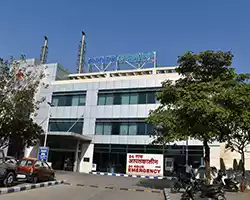
Kharadi - Pune
-

Baner - Pune
-
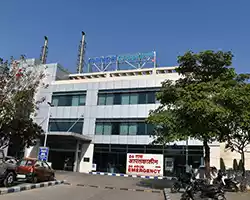
Clinic Dhanori - Pune
How It Works
-
Registration: Patient arrives, confirms identity and referral details at the radiology reception.
-
Pre-test briefing: Technician/pathology staff explains the X-ray purpose, positioning requirements, and any preparatory steps.
-
Preparation: Patient removes metal jewellery or clothing items that may cause artefacts; suitable gowns are provided if required.
-
Positioning: Radiographer positions the patient and the X-ray detector according to the body region being imaged (e.g., chest, limb).
-
Image acquisition: Digital X-ray exposures are taken; patients may be asked to hold breath or remain still briefly for clarity.
-
Immediate quality check: Images are reviewed on-screen for adequacy; additional views are taken if necessary.
-
Radiologist review: A radiologist interprets images on high-resolution monitors, documenting findings and clinical impressions.
-
Report generation: A Structured report is prepared and electronically archived; image files are stored securely for retrieval.
-
Result sharing: Final report and images are shared with the referring clinician and made available to the patient per hospital process.
1.webp "X-Ray in Pune | Manipal Hospitals")
Didn’t find what you were looking for?
Request a CallbackBenefits
Patients can expect the following benefits during their X-ray journey at Manipal Hospitals:
-
Provides fast, painless, and non-invasive diagnostic imaging.
-
Uses advanced digital X-ray systems with reduced radiation exposure.
-
Enables immediate image review for accuracy and prompt retakes if needed.
-
Generates structured reports for precise diagnosis and treatment planning.
-
Offers secure digital storage, rapid sharing, and seamless clinical coordination across departments for efficient patient care.
What to Expect
Before Test
1. On arrival, complete registration and identity verification at the radiology reception. 2. The technician provides instructions on removing jewellery, metallic items, or tight clothing that may interfere with image clarity. 3. You may be asked to change into a hospital gown for certain examinations. 4. The procedure steps, duration, and any breathing or positioning requirements are clearly explained before imaging begins.
During Test
1. The radiographer positions you accurately to ensure optimal image capture. 2. X-ray exposures are brief, typically lasting only a few seconds. 3. For chest or abdominal X-rays, you may need to hold your breath momentarily to reduce motion blur. 4. Depending on the clinical requirement, multiple views may be taken from different angles. 5. The process is generally comfortable, non-invasive, and completed within a few minutes.
After Test
1. Images are reviewed immediately for quality and completeness. 2. A radiologist interprets the images and prepares a structured report, usually within hours. 3. Reports and images are securely shared with your consulting doctor. 4. If further imaging or additional tests (such as ultrasound or CT) are needed, the radiology team provides guidance and scheduling support.
Why Manipal Hospitals?
Manipal Hospitals, Pune, conducts digital X-rays in Pune within an organised radiology workflow that emphasises accuracy, patient safety, and interoperability with clinical services. The unit is staffed by trained radiographers and board-certified radiologists who follow standardised imaging protocols and quality controls to ensure consistent image quality and diagnostic reliability. Digital acquisition and secure archiving support rapid review and timely reporting to referring teams. Infection control measures, radiation safety practices, and clear patient instructions reduce risk and variability. Integration with hospital information systems allows coordinated care across departments such as emergency, orthopaedics, and pulmonology. The department’s focus is on delivering clear, usable diagnostic information to clinicians while maintaining procedural transparency and patient comfort.
Centre of Excellence
The Radiology Department at Manipal Hospitals, Pune, delivers advanced diagnostic imaging services, including X-ray, CT, ultrasound, and interventional procedures. A team of expert radiologists and technologists ensures accurate interpretation, adherence to radiation safety standards, and timely digital reporting. The department supports multidisciplinary collaboration, promoting precision, safety, and efficiency in patient diagnosis and management.
Services Offered
Manipal Hospitals, Pune, provides comprehensive diagnostic imaging services tailored to diverse clinical needs, ensuring clarity and accuracy in every study.
-
Digital chest X-ray for lung and cardiac evaluation.
-
Bone and joint imaging for fractures and alignment assessment.
-
Abdominal and pelvic X-rays for acute or chronic conditions.
-
Dental and specialised imaging (bitewing, occlusal views).
-
Fluoroscopy and contrast-enhanced studies for dynamic examinations.
Facilities & Services
Manipal Hospitals, Pune, features state-of-the-art radiology facilities designed for precision, safety, and patient comfort during X-ray in Pune.
-
Automated digital X-ray suites with PACS-linked image archiving.
-
Dedicated diagnostic zones and infection-control measures.
-
Continuous equipment quality checks and calibration.
-
Comfortable waiting and preparation areas for patients.
-
Efficient electronic transfer of images for rapid specialist review and reporting.
Frequently Asked Questions
Wear loose clothing and avoid metal jewellery. The technician will advise on clothing removal or gowns as needed. Specific preparations (fasting or contrast restrictions) are only required for additional investigations and will be communicated beforehand.
The imaging process typically takes 5–15 minutes, including positioning; the actual X-ray exposure lasts only seconds. Time may increase if multiple views or additional projections are required for diagnostic completeness.
Digital X-ray uses low radiation doses and is generally safe for most patients. Pregnant individuals should inform clinical staff; alternative modalities or shielding may be used when clinically appropriate to reduce fetal exposure.
Images are reviewed immediately for quality; radiologist reports are usually available the same day or within hours depending on case priority and workload. Urgent studies receive expedited reporting and clinician notification.
A chest X-ray evaluates lungs, heart size, and chest wall structures and can identify infections, fluid, lung collapse, consolidations, fractures, or chronic changes; further imaging or tests may be recommended based on findings.
Consult our Experts



You’re on Our Indian Website
Visit the Global site for International patient services
'Click' to chat with us
