

Stroke
Stroke
A stroke is a medical emergency that occurs when blood flow to the brain is suddenly blocked or reduced, leading to a lack of oxygen and essential nutrients. Without immediate care, brain cells can become damaged, making stroke treatment in Pune crucial. High blood pressure, heart disease, blood clots, and bleeding in the brain are common causes. At Manipal Hospitals, Pune, specialists provide advanced care to protect brain function and support recovery.
Our Locations
-
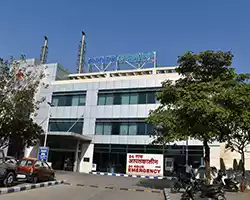
Kharadi - Pune
-
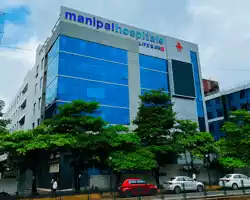
Baner - Pune
-
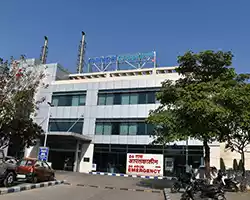
Clinic Dhanori - Pune
Didn’t find what you were looking for?
Get in touch with our representatives for help!
Request a CallbackSymptoms of Stroke
Stroke symptoms may appear suddenly and include weakness on one side of the body, facial drooping, difficulty speaking, confusion, severe headache, or trouble walking. Early recognition and prompt medical attention are essential to reduce complications and improve outcomes.
How We Diagnose Stroke
Doctors begin with a quick neurological examination to assess speech, movement, coordination, and consciousness. They may perform CT scans, MRI scans, blood tests, or vascular imaging to identify the stroke type and affected brain areas. Based on these findings, the team may recommend brain stroke treatment in Pune to restore blood flow, limit damage, and guide further rehabilitation.
Treatment Options
Treatment depends on the type of stroke and may include clot-dissolving medicines, blood thinners, blood pressure control, or emergency procedures to remove blockages. Specialists customise each treatment plan to stabilise the patient, protect brain tissue, and prevent future episodes.
What to Expect
During stroke treatment in Pune, the medical team at Manipal Hospitals acts quickly to stabilise the patient and restore blood flow to the brain. Emergency care may include medications, oxygen support, monitoring of vital signs, and targeted therapies to prevent further damage. The first few hours are critical, and specialists ensure the patient receives timely interventions based on the type of stroke.
After emergency stabilisation, the care team explains the treatment plan, expected recovery timeline, and potential rehabilitation needs. Depending on symptoms and scan results, patients may require physiotherapy, speech therapy, or occupational therapy to regain strength, movement, and communication skills. As part of comprehensive care, doctors may also recommend lifestyle changes and medications to prevent future strokes. These combined approaches contribute to effective brain stroke treatment in Pune, promoting long-term recovery.
Throughout the patient’s hospital stay, Manipal Hospitals, Pune, provides a supportive and closely monitored environment. The team focuses on enhancing daily functioning, preventing complications, and assisting patients in regaining independence. They also ensure that recovery remains on track and effectively manage any risk factors through regular follow-ups.
Consult our Experts
FAQs
-
What is a stroke?
A stroke is a medical emergency that occurs when blood flow to the brain is blocked or reduced, leading to damage of brain cells.
-
What are the early warning signs of a stroke?
Common signs include sudden weakness on one side of the body, facial drooping, difficulty speaking, confusion, severe headache, and trouble walking.
-
What causes a stroke?
Stroke can be caused by blood clots (ischaemic stroke) or bleeding in the brain (haemorrhagic stroke). Risk factors include high blood pressure, heart disease, diabetes, and smoking.
-
How is a stroke diagnosed?
Doctors diagnose stroke using neurological examination and imaging tests such as CT scans, MRI, and blood tests to determine the type and severity.
-
What is the treatment for stroke?
Treatment may include clot-dissolving medications, blood thinners, blood pressure control, or emergency procedures to restore blood flow.
-
Can a stroke be prevented?
Yes, managing blood pressure, controlling diabetes, maintaining a healthy lifestyle, avoiding smoking, and regular check-ups can help reduce risk.
-
What is recovery like after a stroke?
Recovery varies depending on severity. It may include physiotherapy, speech therapy, and lifestyle changes to regain function and independence.
-
Where can I get stroke treatment in Pune?
You can receive expert stroke treatment in Pune at Manipal Hospitals, where specialists provide advanced emergency care and rehabilitation support.


You’re on Our Indian Website
Visit the Global site for International patient services
'Click' to chat with us
