-blue-icon.webp "Muscular Dystrophy Treatment in Pune | Manipal Hospitals")
.webp "Muscular Dystrophy Treatment in Pune | Manipal Hospitals")
DMD
DMD
Manipal Hospitals offers specialised muscular dystrophy treatment in Pune, providing comprehensive care for individuals diagnosed with Duchenne Muscular Dystrophy (DMD). DMD is a progressive genetic disorder characterised by muscle weakness and degeneration, primarily affecting skeletal and heart muscles. It is caused by a mutation in the dystrophin gene, which is essential for muscle function. The muscle weakness quickly gets worse with time.
Our Locations
-
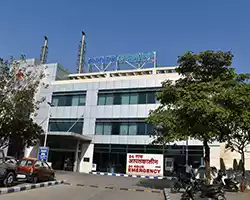
Kharadi - Pune
-
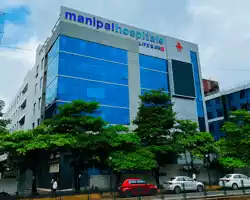
Baner - Pune
-
Clinic Dhanori - Pune
Didn’t find what you were looking for?
Get in touch with our representatives for help!
Request a CallbackSymptoms of DMD
Symptoms of DMD begin in early childhood, often by age 6. It causes muscle weakness, stiff joints, developmental delay in motor milestones, fatigue, and loss of muscle bulk. Muscle weakness can affect how the child walks and moves.
How We Diagnose DMD
Diagnosis of DMD begins with a physical, neurological, and muscle exam. The child’s symptoms, medical history, and motor milestones are also assessed. Blood tests measuring creatine kinase levels help identify muscle damage. Genetic testing confirms dystrophin gene mutations. Additional tests, such as echocardiography, pulmonary function tests, and muscle MRI, help determine severity and guide personalised MD treatment in Pune.
Treatment Options
DMD currently has no cure. Treatment focuses on managing symptoms and slowing progression. A combination of medications, physiotherapy, respiratory support, cardiac care, and mobility aids is used to enhance daily functioning and long-term well-being.
What to Expect
The care journey for muscular dystrophy treatment in Pune begins with a comprehensive evaluation. It is conducted by neurologists, physiotherapists, cardiologists, orthopaedic experts, and respiratory specialists. This multidisciplinary assessment helps identify the stage of the condition, current muscle strength, cardiac and lung function, and specific challenges. Based on these findings, a personalised and structured treatment plan is created to address immediate needs and support long-term health.
Corticosteroids or newer disease-modifying therapies may be prescribed to slow muscle degeneration and maintain strength for as long as possible. Physiotherapy, stretching exercises, and orthotic support play a key role in preventing contractures, improving mobility, and promoting independence. Regular cardiac and respiratory evaluations ensure early detection and proactive management of potential complications. Assistive devices, including braces, standing frames, mobility aids, and wheelchairs, are recommended as needed to enhance comfort and improve daily functioning.
Nutritional counselling, psychosocial support, and structured rehabilitation programmes further help patients maintain energy levels, cope emotionally, and adapt to progressive physical changes. Continuous follow-up allows specialists to monitor progression, update therapy plans, and provide consistent guidance. Manipal Hospitals offers coordinated and compassionate MD treatment in Pune, supporting children and families at every stage of their journey.
Consult our Experts
FAQs
-
What is Duchenne Muscular Dystrophy (DMD)?
Duchenne Muscular Dystrophy (DMD) is a genetic disorder that causes progressive muscle weakness and degeneration due to a mutation in the dystrophin gene.
-
At what age do symptoms of DMD usually appear?
Symptoms usually begin in early childhood, often before the age of 6, and may include muscle weakness, delayed motor milestones, and difficulty walking or climbing stairs.
-
How is Duchenne Muscular Dystrophy diagnosed?
Diagnosis typically involves physical and neurological examinations, blood tests to measure creatine kinase levels, genetic testing, and imaging tests such as muscle MRI or cardiac evaluations.
-
What treatments are available for DMD?
Although there is no cure, treatment focuses on managing symptoms through medications, physiotherapy, respiratory support, cardiac care, and assistive mobility devices.
-
Where can I get specialised muscular dystrophy treatment in Pune?
You can receive advanced muscular dystrophy treatment in Pune at Manipal Hospitals, where multidisciplinary specialists provide comprehensive care and long-term management for Duchenne Muscular Dystrophy.



You’re on Our Indian Website
Visit the Global site for International patient services
'Click' to chat with us
