




 4 Min Read
Have you ever woken up in the middle of the night, fully aware but unable to move, speak, or even scream for help? For many people, this frightening experience feels unreal, almost supernatural. This condition is known as sleep paralysis, and while it can be deeply unsettling, it is more common and less dangerous than most people think.
At Manipal Hospitals Pune, sleep specialists often meet patients who are anxious after their first episode and are searching for answers. Understanding sleep paralysis, why it happens, and how to manage it can significantly reduce fear and improve sleep quality.
Synopsis
What Is Sleep Paralysis?
Sleep paralysis is a temporary inability to move or speak while falling asleep or waking up. During an episode, the brain wakes up, but the body remains in a state of muscle relaxation (REM atonia), which normally prevents us from acting out dreams.
These episodes usually last a few seconds to a couple of minutes and may be accompanied by:
-
A feeling of pressure on the chest
-
Difficulty breathing
-
Hallucinations (seeing or sensing a presence)
-
Intense fear or panic
Although terrifying, sleep paralysis is not a mental illness or a sign of something supernatural.
Sleep Paralysis Causes You Should Know
Understanding sleep paralysis causes is the first step towards prevention. The most common triggers include:
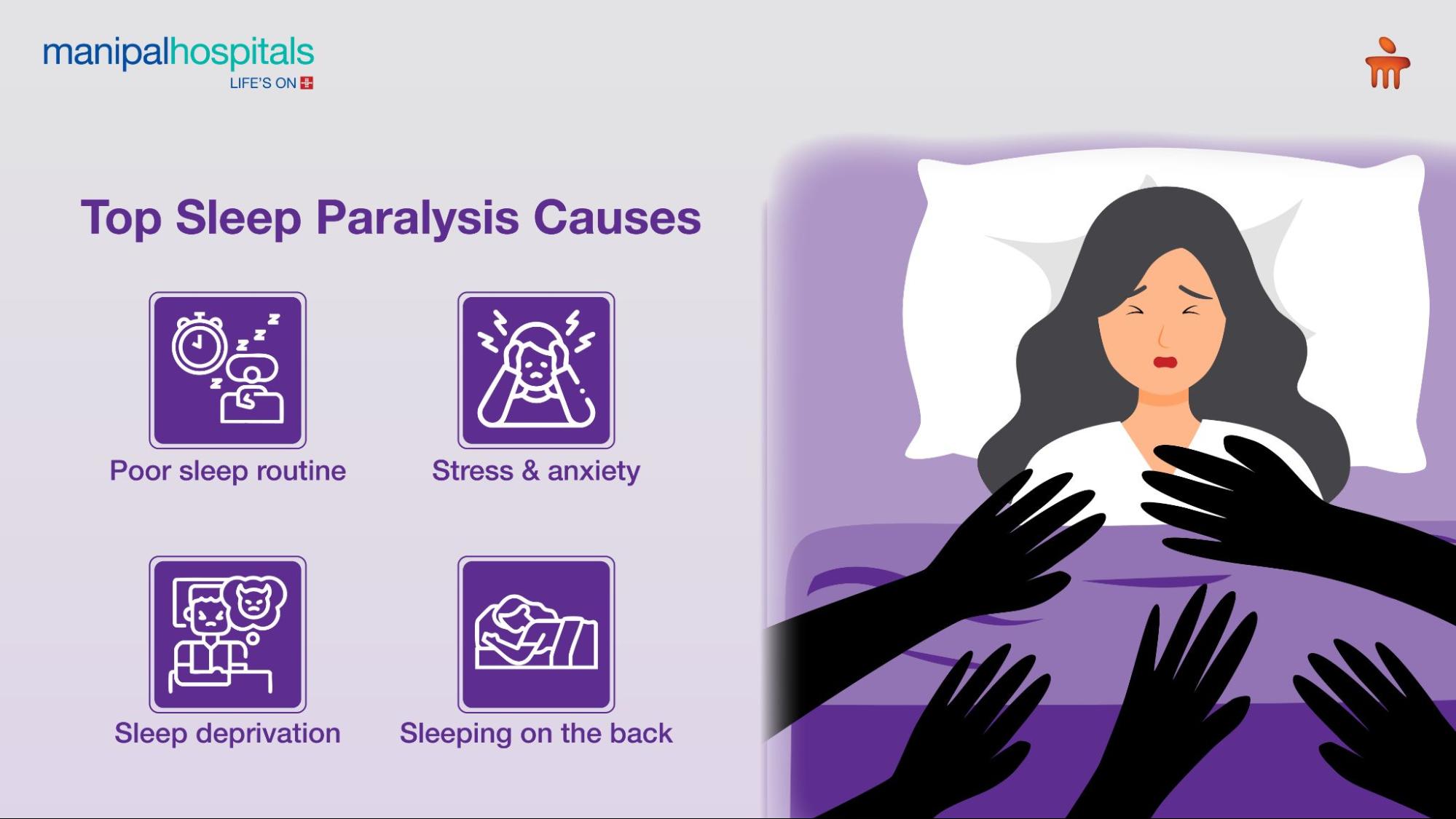
1. Irregular Sleep Patterns
Sleeping late, frequent night shifts, or inconsistent sleep schedules disrupt the sleep cycle and increase the risk of sleep paralysis.
2. Sleep Deprivation
Lack of proper rest keeps the brain overstimulated, making REM sleep transitions unstable.
3. Stress and Anxiety
Emotional stress, work pressure, and unresolved anxiety are major contributors to frequent episodes.
4. Sleeping on Your Back
Studies show that sleeping in the supine position can trigger sleep paralysis in susceptible individuals.
5. Underlying Sleep Disorders
Conditions such as insomnia, narcolepsy, and sleep apnoea are closely linked to recurring sleep paralysis.
General Medicine at Manipal Hospitals Pune emphasizes identifying these root causes rather than ignoring repeated episodes.
Warning Signs of Sleep Paralysis
Sleep paralysis often gives subtle warnings before it becomes frequent. Watch out for:
-
Recurrent nightmares
-
Sudden awakenings with fear
-
Difficulty falling asleep despite exhaustion
-
Feeling watched or trapped during sleep
Early recognition helps prevent long-term sleep disruption.
How to Stop Sleep Paralysis in the Moment
Many patients ask how to stop sleep paralysis in the moment when it’s happening. While it may feel impossible, these techniques can help:
-
Focus on slow breathing – concentrate on exhaling gently
-
Try moving a finger or toe – small movements help break paralysis
-
Blink your eyes repeatedly
-
Mentally reassure yourself that the episode will pass
The calmer the mind remains, the quicker the body regains control.
Is Sleep Paralysis Dangerous?
A common concern is: Is sleep paralysis dangerous?
The short answer is no.
Sleep paralysis itself does not cause physical harm. However, frequent episodes can:
-
Increase anxiety and fear of sleeping
-
Lead to chronic sleep deprivation
-
Affects mental well-being over time
This is why medical guidance is recommended if episodes occur often or severely affect daily life.
Can Sleep Paralysis Kill You?
Many people worry: can sleep paralysis kill you?
Rest assured, sleep paralysis is not fatal. There is no scientific evidence linking sleep paralysis directly to death.
The sensation of breathlessness occurs due to chest muscle relaxation—not because breathing stops. Knowing this can greatly reduce panic during an episode.
Effective Treatments for Sleep Paralysis
Treatment focuses on improving sleep quality and addressing underlying triggers.
1. Maintain a Consistent Sleep Routine
Going to bed and waking up at the same time daily stabilises sleep cycles.
2. Improve Sleep Hygiene
-
Avoid screens before bedtime
-
Reduce caffeine intake
-
Keep the bedroom dark and quiet
3. Manage Stress
Relaxation techniques such as meditation, yoga, or counselling can significantly reduce episodes.
4. Change Sleeping Position
Sleeping on your side instead of your back may prevent episodes.
5. Medical Evaluation
At Manipal Hospitals Baner, sleep experts may recommend therapy or medication if sleep paralysis is linked to anxiety disorders or other sleep conditions.
Conclusion
When to See a Doctor?
-
Sleep paralysis occurs more than once a week
-
Episodes are worsening
-
You experience excessive daytime sleepiness
-
Anxiety around sleep becomes overwhelming
Early medical advice ensures better long-term outcomes.
FAQ's
Sleep paralysis happens when the brain wakes up before the body during REM sleep, causing temporary immobility.
No, but frequent episodes can affect mental health and sleep quality if left untreated.
Focus on calm breathing, blink your eyes, and try small body movements like wiggling toes.
No, sleep paralysis cannot cause death. The breathing sensation is temporary and harmless.
If episodes are frequent, severe, or associated with extreme fear or daytime fatigue, seek medical advice.
Share this article on:


.webp "Nerve Pain: Causes, Symptoms, and Treatment Options")





