




 5 Min Read
Heart disease has quietly become one of the most common health issues affecting people of all ages. Many of us assume heart problems strike suddenly, but in reality, the body starts giving small signals much earlier. Understanding what heart disease is, the symptoms to watch out for, and the conditions that increase your risk can help you protect your heart before complications arise.
This guide explains everything you need to know in a simple, human way so you can take steps to care for yourself and your loved ones.
Synopsis
- A Small Story That Teaches a Big Lesson
- What Exactly Is Heart Disease?
- Heart Disease Symptoms You Should Not Ignore
- What Causes Heart Disease?
- How Do You Know If You Have Heart Disease?
- Treatment Options for Heart Disease
- Preventing Heart Disease: Small Steps, Big Benefits
- When Should You Seek Urgent Help?
A Small Story That Teaches a Big Lesson
A few months ago, a 46-year-old IT professional from Pune, let’s call him Rohan, started feeling unusually tired. He blamed long working hours and skipped meals for his exhaustion. He would climb one flight of stairs and feel breathless. His wife insisted on getting him checked, but like many of us, he pushed it aside, saying, “It’s just stress.”
One evening, while returning from work, he felt a squeezing pain in his chest that travelled to his left arm. This time, he didn’t ignore it. He rushed to Manipal Hospital Kharadi, where doctors quickly diagnosed him with early-stage coronary artery disease. With timely angioplasty and lifestyle changes, Rohan recovered well. Today, he often says that listening to his body saved his life.
His story is a reminder that symptoms of heart disease may appear silently but responding early makes all the difference.
What Exactly Is Heart Disease?
Heart disease, often referred to as cardiovascular disease, includes several conditions that affect the heart and blood vessels. These may develop slowly over time and worsen due to lifestyle factors, ageing, or genetic predisposition.
Common heart conditions include:
-
Coronary artery disease
-
Heart failure
-
Arrhythmias
-
Heart valve problems
-
Cardiomyopathy
-
Congenital heart defects
Each condition presents differently, but they share many overlapping warning signs.
Heart Disease Symptoms You Should Not Ignore
The body gives signals when something is wrong. The challenge is recognising them early enough. Here are the most important heart disease symptoms:
-
Chest Pain or Tightness - This is one of the classic signs of heart problems. The discomfort may feel like pressure, heaviness, burning, or squeezing. It may come and go, or worsen during physical activity.
-
Shortness of Breath - If you feel breathless after minimal activity—or even while resting—your heart may be struggling to pump efficiently.
-
Unexplained Fatigue - Feeling unusually tired even after a normal day can be an early sign of heart disease, especially in women.
-
Swelling in Feet, Ankles, or Legs - Fluid retention, medically known as oedema, is common in heart failure due to reduced circulation.
-
Palpitations - If you feel your heart racing, fluttering, or beating irregularly, it could point to an arrhythmia.
-
Dizziness or Fainting - Poor blood flow to the brain due to heart issues can cause light-headedness.
-
Pain in Neck, Jaw, Back, or Arm - These subtle pains, especially on the left side, can be overlooked but may signal an impending heart attack.
-
Persistent Cough - A continuous cough, especially at night, may indicate fluid buildup caused by heart failure.
If you notice any combination of these symptoms of heart issues, seek medical attention immediately.
What Causes Heart Disease?
The causes may differ from person to person, but the most common include:
-
High blood pressure
-
High cholesterol
-
Diabetes
-
Smoking or tobacco use
-
Obesity
-
Sedentary lifestyle
-
Stress and poor sleep
-
Unhealthy diet
-
Family history
-
Ageing
These factors either damage blood vessels or put excess strain on the heart, leading to long-term complications.
How Do You Know If You Have Heart Disease?
Sometimes, the symptoms are very mild or confused with acidity, stress, or fatigue. However, if you frequently experience:
-
Chest discomfort
-
Breathlessness
-
Swelling in legs
-
Tiredness
-
Pain radiating to arm or jaw
You should get evaluated. A cardiologist usually recommends tests like ECG, echocardiography, blood tests, TMT, CT angiography, or coronary angiography to confirm the diagnosis.
Many patients at Manipal Hospital Kharadi share that they realised the importance of early screening only after facing symptoms that seemed insignificant initially.
Treatment Options for Heart Disease
Treatment depends on the type and severity of the heart condition. It may include:
1. Lifestyle Changes
-
Balanced diet low in salt, sugar, and trans fats
-
Regular walking or exercise
-
Weight management
-
Quitting smoking
-
Stress reduction techniques like yoga or meditation
2. Medications
Doctors may prescribe drugs to manage blood pressure, cholesterol, heart rhythm, or blood clots.
3. Medical Procedures or Surgery
Some people require advanced treatments such as:
-
Bypass surgery
-
Pacemaker or ICD
-
Valve repair or replacement
-
Ablation therapy
Early diagnosis ensures better outcomes and fewer complications.
Preventing Heart Disease: Small Steps, Big Benefits
Prevention is always better than emergency treatment. To protect your heart:
-
Eat fresh, wholesome meals
-
Exercise for at least 30 minutes daily
-
Avoid tobacco completely
-
Reduce stress
-
Maintain a healthy weight
-
Sleep adequately
-
Go for yearly heart check-ups if you are above 40 or have a family history
These simple habits can significantly reduce the risk of developing cardiovascular disease.
When Should You Seek Urgent Help?
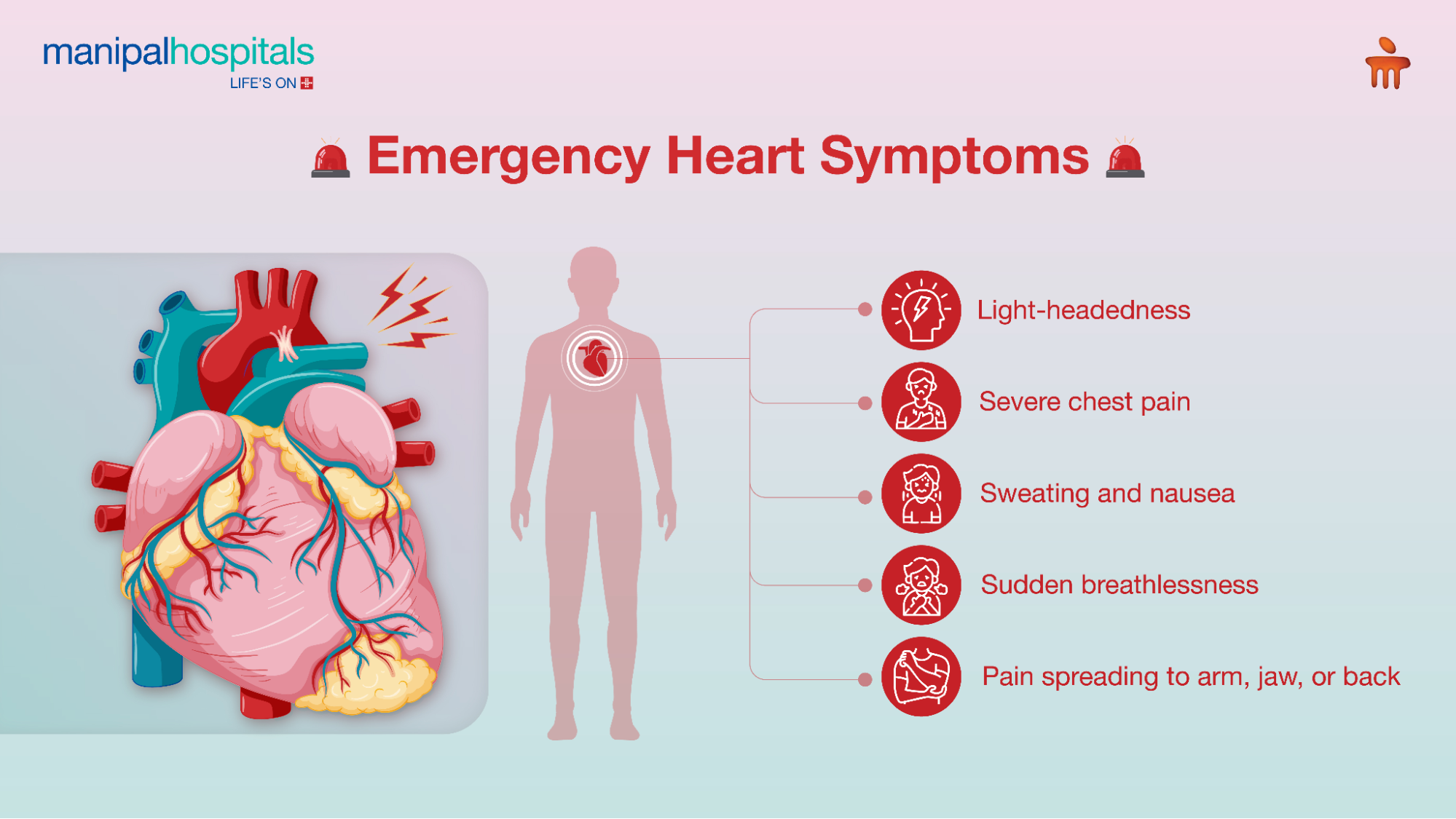
Call for medical help immediately if you experience:
-
Severe chest pain lasting more than 10 minutes
-
Sudden breathlessness
-
Sweating with chest discomfort
-
Pain spreading to arm, back, or jaw
-
Fainting or sudden dizziness
Quick action can prevent major complications.
FAQ's
Fatigue, mild chest discomfort, shortness of breath, and palpitations are common early signs.
If symptoms persist or worsen with activity, get evaluated by a cardiologist.
High blood pressure, cholesterol, and unhealthy lifestyle choices are the biggest triggers.
Lifestyle changes and medicines can control the condition, but damage reversal depends on its severity.
Regular exercise, a heart-healthy diet, quitting smoking, and managing stress are key preventive steps.
Share this article on:


.webp "Nerve Pain: Causes, Symptoms, and Treatment Options")





