5 Min Read
A headache is a very common neurological symptom. It can range from a mild, nagging ache involving the whole of the head to a sudden, severe pain that stops daily activity. In many cases, it is harmless. But at times, a headache is one restricted to one particular half of the head where we call it side locked headache having often associated with a neurological condition. Certain neurological conditions, including migraine, nerve disorders, and even stroke, can begin with pain on one side of the head.
Understanding the causes of severe headache, knowing when a headache is just a headache, and when it could be a stroke headache, can help protect long-term brain health.
Synopsis
What Does a Right-Side Headache Mean?
A Side-Locked headache refers to pain that is felt mainly on one half of the head, face, or temple. This pattern usually points to irritation or pressure on nerves, blood vessels, or muscles on that side of the brain.
Unlike general headaches that affect the whole head, one-sided headaches are more commonly linked to neurological or vascular causes.
Common Causes of Right-Side Headaches
A right-sided headache does not have a single cause. It can develop due to problems in the nerves, blood vessels, muscles or sinuses on one side of the head. In many cases, it is triggered by common conditions such as migraine, muscle tension or sinus congestion. However, certain neurological or vascular conditions can also produce pain that stays limited to one side.
A. Migraine: This is one of the most frequent causes of one-sided head pain. It often comes with:
- Nausea
- Sensitivity to light or sound
- Throbbing or pulsing pain
- Precipitating factors like certain foods, lack of sleep, and emotional stress
- Usually affects young adults and has a chronic course
B. Tension and muscle strain: Neck stiffness, poor posture, or long hours at screens can irritate muscles and nerves on one side of the head.
C. Sinus infection: Blocked sinuses on the right side can cause pressure behind the eye and cheek, leading to a right-sided headache.
D. Nerve-related pain: Conditions such as trigeminal neuralgia Paroxysmal hemicraniaor nerve inflammation can produce sharp, electric-like pain on one side of the face or head.
E. Blood vessel disorders: Spasm or narrowing of blood vessels can reduce blood flow to certain brain areas, causing pain. The most common cause in the elderly is giant cell arteritis
These are some of the most common causes of severe headaches that affect only one side of the head.
When Is a Side-Locked Headache Linked to Stroke?
Not every headache means a stroke. However, a stroke headache has certain warning features that make it different from a regular migraine or tension headache.
A headache linked to stroke may:
-
Appear suddenly, intensely and hamper the daily activities right away.
-
Feel very different from previous headaches
-
My Be accompanied by weakness, numbness, or confusion, vertigo, or vomiting
-
My occurrence with slurred speech or blurred vision
A stroke happens when blood flow to the brain is blocked or when a blood vessel bursts. Or a clot forms, blocking the venous drainage in the brain. These are known as brain stroke causes, and they can damage brain cells within minutes.
How Stroke Causes Head Pain
A stroke can cause a headache when:
-
Bleeding irritates the brain tissue that is sensitive to pain
-
Swelling increases pressure inside the skull
-
Any major blood vessel in the neck or brain (arterial dissection)
This may create pain on one side of the head, especially if the stroke affects one side of the brain.
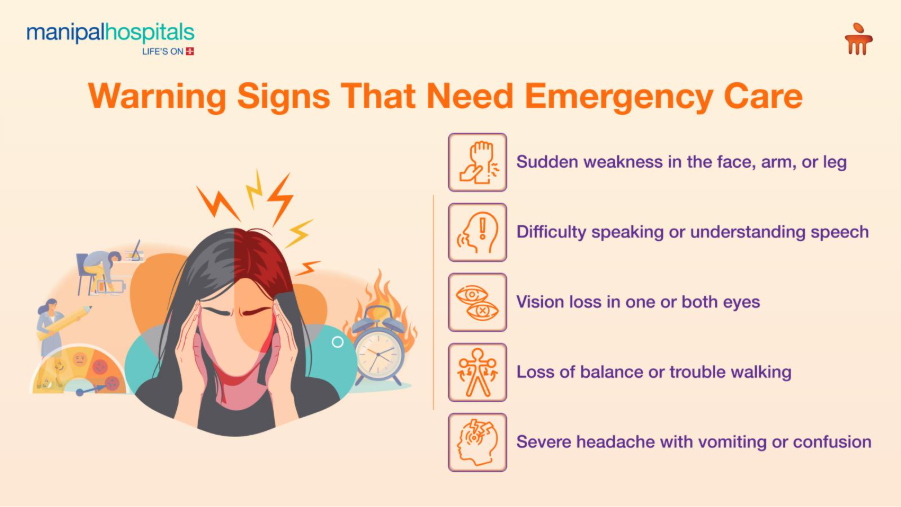
Warning Signs That Need Emergency Care
Seek urgent medical attention if a Side-locked headache occurs with a sudden, excruciating headache.
-
Sudden weakness in the face, arm, and leg
-
Trouble speaking or understanding words
-
Vision loss in one or both eyes
-
Loss of balance or coordination, walking difficulty
-
Severe headache with vomiting or confusion
These signs may indicate a stroke and require immediate treatment.
Headache Relief at Home for Mild Right-Side Pain
If the headache is mild and not linked to neurological symptoms, simple headache relief at home can help.
These steps often provide relief:
-
Resting in a dark, quiet room
-
Drinking enough water
-
Applying a warm or cold compress
-
Gentle neck and shoulder stretching
-
Reducing screen exposure
Avoiding skipped meals, dehydration, and stress can also reduce the frequency of headaches.
When Should a Doctor Be Consulted?
Medical evaluation is important if:
-
Headaches become more frequent or severe
-
There is a change in the character of the headache
-
Any new-onset headache in the elderly
-
Pain is always on the same side
-
Pain wakes someone from sleep
-
There are other neurological symptoms, as already discussed
A doctor may recommend imaging tests, blood work, or nerve assessments to identify the cause.
Conclusion
A Side-Locked headache can have many causes, ranging from primary headache syndromes and nerve irritation to sinus problems and blood vessel disorders. In rare cases, it may also be an early sign of a stroke headache linked to serious causes. Recognising the difference between routine headaches and warning signs is essential for timely care. While mild pain may improve with headache relief at home, sudden or severe headaches should never be ignored.
For ongoing or unexplained headaches, a neurological evaluation can help protect long-term brain health. The expert neurology team at Manipal Hospitals, Kolkata, is equipped to provide accurate diagnosis and appropriate care when needed.
FAQ's
Yes, a sudden, severe headache on one side with weakness, confusion, or vision changes may indicate a stroke and requires emergency care.
Primary headache syndromes, nerve pain, sinus infection, muscle strain, and blood vessel disorders are common causes.
Rest, hydration, reducing screen time, and warm or cold compresses can reduce mild headache discomfort.
A stroke headache is usually sudden, very intense, and accompanied by neurological symptoms.
Blocked arteries, bleeding in the brain, and vessel rupture or thrombosis can all trigger severe headaches.
Share this article on: