




 6 Min Read
Fighting a serious illness can be challenging, not just for the patient but for their loved ones too. Finding comfort, managing symptoms, and maintaining dignity become paramount in these moments. This is where palliative care steps in. It is a specialised approach to medical care that focuses on relieving the symptoms and stress of a serious illness, irrespective of the diagnosis. Therefore, a proper understanding of ‘what is palliative care’ could be the first step towards embracing a path of comfort and comprehensive support.
Synopsis
What is Palliative Care?
Palliative care is a specialised type of medical care provided to patients living with any serious illness. The focus remains on providing relief from the symptoms and stress of the illness, intending to improve the quality of life for both the patient and the family. Palliative care, unlike hospice care meant for patients with a prognosis of six months or less, can be provided at any stage of a serious illness alongside curative treatment.
Palliative care or treatment provides an extra layer of support through a specially trained team of doctors, nurses, and other specialists, who work in collaboration with other doctors taking care of the treatment.
Advantages of Palliative Treatment
Palliative treatment, when integrated with a patient’s regular treatment plan, can yield profound benefits, including:
-
Improved symptom management- Manages symptoms like pain, nausea, fatigue, shortness of breath, and depression. According to studies, over 80% of patients experience significant relief and a noticeable improvement in their daily lives.
-
Enhanced quality of life- Helps patients maintain a better quality of life by focusing on their physical, emotional, social, and spiritual well-being. Research indicates a 30% improvement in their overall quality of life compared to those who don't.
-
Better communication and support- Palliative care teams facilitate crucial conversations between patients, families, and medical providers, ensuring care aligns with the patient's values and goals.
-
Reduced hospitalisations- Early integration of palliative care has been shown to reduce hospital readmissions and emergency room visits by 15-20%.
-
Potentially longer survival- Compared to patients receiving standard care alone, those receiving palliative care alongside standard treatment may even live longer by several months, owing to better symptom control and psychological support.
Who can benefit from Palliative Care?
It is wrong to think that palliative care for cancer patients or those suffering from any serious condition is exclusive to the end-of-life stage. It can benefit anyone with a serious, complex, or chronic illness that significantly impacts their quality of life. This includes, but is not limited to, conditions like:
-
Cancer
-
Heart disease
-
Kidney disease
-
Lung disease
-
Neurological conditions
-
AIDS/HIV
-
Liver failure
Types of Palliative Care services
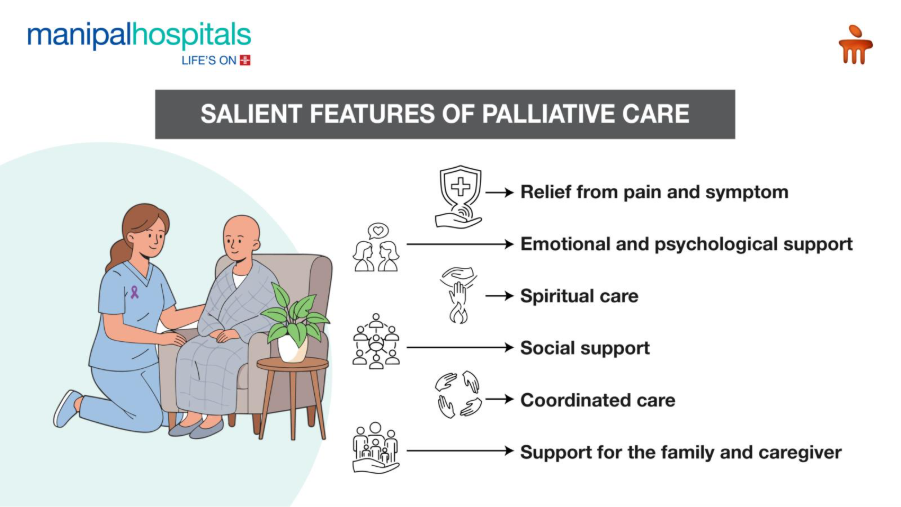
The comprehensive approach of palliative treatment addresses various dimensions of highly individualised care that is delivered by a multidisciplinary team, involving palliative care physicians, nurses, social workers, psychologists, nutritionists, spiritual counsellors, physiotherapists and occupational therapists.
The different types of palliative care services include:
-
Pain and symptom management- A combination of medical, interventional, and complementary therapies is used to control physical discomfort.
-
Emotional and psychological support- Anxiety, depression, fear, and grief are managed through counselling and support groups.
-
Spiritual care- Patients and families are helped to find peace and meaning in their illness experience, respecting their beliefs and values.
-
Social support- Assistance is provided with practical issues like financial concerns, housing, and access to community resources.
-
Care coordination- Smooth communication between all doctors and healthcare staff is ensured, besides helping patients and families navigate easily through complicated medical systems.
-
Family and caregiver support- Providing education, respite, and counselling to family members who are often integral to the patient's care.
When to start Palliative Care?
It is a misconception that palliative care is meant only for the very end stage of an illness. In fact, palliative care yields the greatest benefits when introduced early in the course of a serious illness, often alongside curative treatments.
It is advisable to consider palliative care when:
-
A serious illness is diagnosed.
-
Significant physical or emotional symptoms are experienced (because of the illness or the treatment).
-
Understanding the treatment options and making complex medical decisions requires help.
-
The patient's family struggles to cope with the demands of caregiving.
Conclusion
Palliative care is important because it prioritises comfort, dignity, and overall well-being, not just disease treatment. It benefits patients at any stage of serious illness and provides crucial support to families as well.
Connect with our multidisciplinary team of palliative care experts at Manipal Hospitals for holistic patient care from the moment a serious diagnosis is made. Our specialists believe in ensuring that every individual patient experiences the highest possible quality of life throughout their health journey, through enhanced treatment tolerance and overall well-being.
FAQ's
No, they are different. Palliative care is a specialized care for serious irreversible illness at any time during disease management. Hospice care is a type of palliative care specifically for those with a life expectancy of six weeks or less, and it focuses exclusively on comfort care, not curative treatments.
Yes, different types of palliative care services can be provided in various settings, including hospitals, outpatient clinics, long-term care facilities, and even at home, depending on your needs and available resources.
Absolutely not. Palliative care is about living better with a serious illness. It aims to improve your quality of life, manage symptoms, and support you and your family, regardless of your prognosis. Many patients continue to receive curative treatments while also benefiting from palliative care.
You can ask your primary care doctor or specialist for a referral to a palliative care team. At Manipal Hospitals, our physicians are well-versed in the benefits of palliative care and can facilitate this referral for you.
It helps manage pain, breathlessness, fatigue, nausea, loss of appetite, anxiety, depression, sleep problems, and other distressing physical or emotional symptoms related to illness or treatment.
Share this article on:


.webp "Emergency ambulance service in Kolkata during heart attack")


.webp "Comprehensive healthcare services at the best hospital in Kolkata")





