5 Min Read
Your shoulder is one of the most flexible joints in your body, which is why it is also vulnerable to injuries. These injuries can lead to shoulder pain. Shoulder pain can be incredibly frustrating, as it limits you from performing your daily tasks, and other activities that you enjoy. Understanding shoulder pain causes is important for further action in terms of its treatment.
This blog highlights key shoulder pain causes, along with associated symptoms and effective shoulder pain treatment options.
Synopsis
Common Symptoms of Shoulder Pain
The shoulder is made up of bones, muscles, tendons and ligaments. They work together to provide strength and mobility. Shoulder pain happens when stress or injury affects any of these components, leading to pain, muscle weakness and limited movement.
Some common symptoms of shoulder pain are:
-
Dull pain: A dull ache that can felt at the top, front or back of the shoulder.
-
Weakness: Weakness in the shoulder due to pain can make you unable to life objects with normal strength.
-
Sharp pain with movement: Sudden, sharp pain due to repetitive or certain movements.
-
Stiffness: Difficulty in raising, twisting or rotating the arm to its normal capacity.
-
Redness and swelling: Redness and swelling in the shoulder region usually signal towards inflammation.
-
Numbness: When the shoulder pain cause affects nerves of the surrounding area, it can result in numbness in the shoulder or arm.
Common Causes of Shoulder Pain
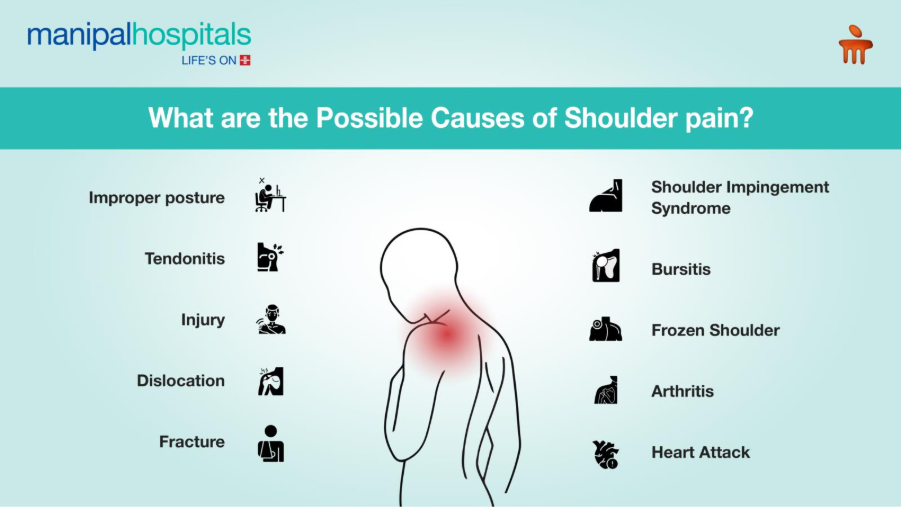
From injuries to chronic conditions, shoulder pain causes can be varied:
-
Posture: Improper posture while sleeping or sitting is one among many other shoulder pain causes.
-
Tendonitis: Rotator Cuff Tendonitis (RCT) and Calcific Tendonitis are some common shoulder pain causes. RCT happens due to inflammation of tendons caused by repetitive motion. It commonly causes right side shoulder pain in those who frequently use their right arm. Calcific tendonitis happens due to calcium deposition in the tendons.
-
Injury: Injury to the shoulder can lead to muscle and cartilage tear, resulting in intense shoulder pain.
-
Frozen shoulder: Frozen shoulder is one of the most common shoulder pain causes. This happens when scar tissue forms around the ball-and-socket joint of the shoulder, leading to stiffness and pain.
-
Shoulder Impingement Syndrome: Repetitive shoulder movement can pinch the underlying nerve, causing sudden, sharp shoulder pain.
-
Bursitis: Another common shoulder pain cause is bursitis. It happens when bursae, which are small fluid-filled sacs that provide cushioning in between bones and tissues, experience inflammation. Bursitis can lead to shoulder pain, stiffness and limited motion.
-
Shoulder arthritis: Arthritis a leading cause for shoulder pain. Osteoarthritis and rheumatoid arthritis in the shoulder can cause pain, swelling and stiffness.
-
Dislocation: Dislocation is when the bone in the upper arm is pushed out of its socket due to trauma or injury. Shoulder dislocation can cause intense pain, especially when moving the arm.
-
Fractures: Broken collar bone, arm or shoulder can cause intense pain and swelling.
-
Nerve damage or pinched nerve: Compressed nerve and blood vessels around the shoulder can cause shoulder pain, numbness and tingling.
-
Heart attack: Shoulder pain, especially on the left side, can sometimes be a sign of impending heart attack.
Treatment for Shoulder Pain
Shoulder pain treatment depends on its causes. While some can be resolved with over-the-counter medication, others may require more intensive treatment.
-
Ice: Ice helps reduce swelling and inflammation. Mild shoulder pain can be relieved by icing the point of injury for 15-20 minutes several times a day.
-
Pain balms and sprays: Pain balms and sprays are designed to provide quick relief from pain. They are often used in combination with other pain medications as part of a local pain management approach.
-
Medication: Medication like paracetamol and ibuprofen are often used to reduce inflammation and bring quick relief from pain.
-
Elevation and compression: Wrapping the area with an elastic bandage and keeping it in an elevated state can help reduce swelling and aid recovery/ sling to keep at rest.
-
Supervised Exercise: Physiotherapy is an important treatment and rehabilitative procedure for shoulder pain caused by frozen shoulder or muscle tear. It can help relieve pain and improve mobility of the shoulder.
-
Surgery: In case of serious injuries, like rotator cuff muscle tear or joint damage, surgery is the only option for proper cure.
Conclusion
Shoulder pain can have various causes. Mild shoulder pain can be cured at home. However, if your shoulder pain is severe, along with swelling, redness and limited mobility, then you must consult a doctor immediately. At Manipal Hospitals, our expert orthopaedics will help you with all your symptoms. With advanced diagnostic tools, personalised treatment plans, and thorough rehabilitation, our experts remain by your side every step of the way. Visit Manipal Hospitals today for comprehensive orthopaedic care.
FAQ's
Dehydration can cause muscles around the shoulder to become fatigued and prone to cramps. This can intensify pre-existing shoulder pain and increase discomfort.
Gastric issues like liver inflammation and gallstones can cause shoulder pain, especially right side shoulder pain. Liver inflammation can irritate the diaphragm, while gallstones can cause pain by affecting the phrenic nerve.
Dental infections and jaw tension can cause pain around the head, neck and shoulder due common nerve pathways.
Prolonged use of laptop, desktop or smartphone results in poor posture. Poor posture can cause strain in the neck and scapular muscles, leading to pain in the shoulder.
Septic arthritis is a serious yet rare condition. Affected person may experience severe shoulder pain with limited range of motion, redness and swelling, along with fever and chills. This condition requires immediate attention.
Share this article on:


.webp "Emergency ambulance service in Kolkata during heart attack")