7 Min Read
Heart disease remains one of the leading causes of health complications worldwide, and Congestive Heart Failure (CHF) is among the most common yet misunderstood conditions. Despite the alarming name, heart failure does not mean the heart has stopped working. Instead, it indicates that the heart is unable to pump blood efficiently to meet the body’s needs.
Early recognition of congestive heart failure symptoms and understanding its stages can help patients receive timely treatment and maintain a better quality of life. At Manipal Hospital Kharadi, Pune, expert cardiologists use advanced diagnostic tools and personalised treatment plans to manage heart failure effectively.
Synopsis
Understanding Congestive Heart Failure
Congestive Heart Failure occurs when the heart muscle becomes weak or stiff, reducing its ability to pump blood effectively. As a result, fluid begins to accumulate in the lungs, legs, abdomen, and other tissues.
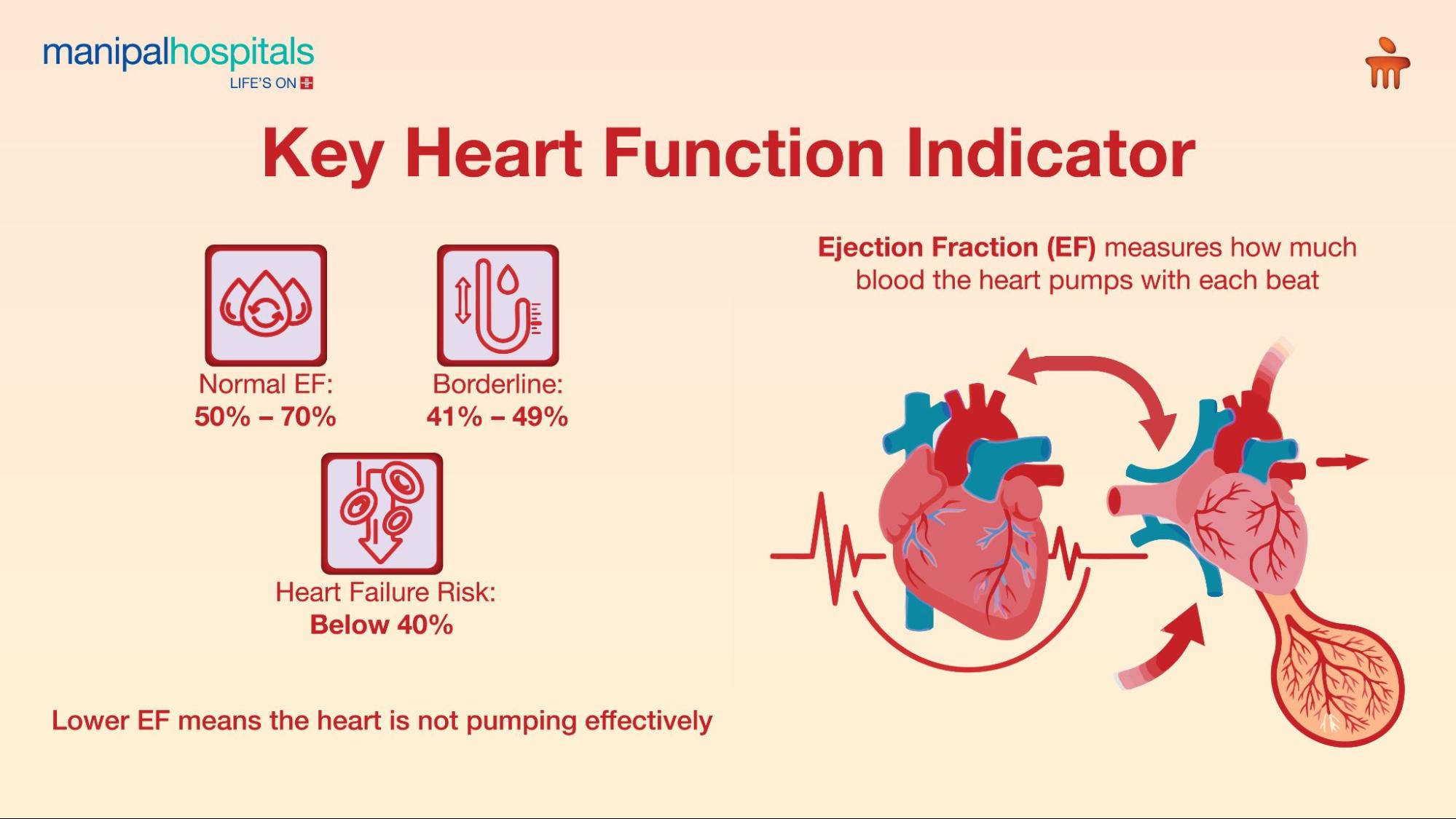
A crucial parameter used to evaluate heart function is ejection fraction (EF). This measurement indicates how much blood the heart pumps out of the left ventricle with each beat.
-
Normal EF: 50–70%
-
Borderline EF: 41–49%
-
Reduced EF: Less than 40% (a common sign of systolic heart failure)
When EF drops significantly, the heart cannot deliver adequate oxygen-rich blood to the body, leading to symptoms such as fatigue and breathlessness.
Stages of Congestive Heart Failure
Cardiologists classify heart failure into four stages according to the American Heart Association (AHA) and American College of Cardiology (ACC) guidelines. Understanding these stages helps determine the most appropriate treatment approach.
Stage A – High Risk for Heart Failure
At this stage, individuals do not yet have heart damage or symptoms but are at high risk of developing heart failure.
Common risk factors include:
-
High blood pressure
-
Diabetes
-
Obesity
-
Coronary artery disease
-
Family history of cardiomyopathy
-
Use of cardiotoxic medications
Treatment focus: Lifestyle changes and risk factor management.
Stage B – Structural Heart Changes Without Symptoms
In this stage, patients develop structural abnormalities of the heart, such as valve problems or reduced ejection fraction, but they do not yet experience symptoms.
Treatment focus:
-
Prevent disease progression
-
Control blood pressure
-
Initiate heart-protective medications
Stage C – Structural Heart Disease With Symptoms
This is the stage where patients begin experiencing heart failure symptoms. Many individuals first seek medical attention during this phase.
Common symptoms include:
-
Shortness of breath
-
Swelling in legs or ankles
-
Reduced exercise tolerance
Treatment focus:
-
Symptom control
-
Lifestyle management
-
Medication therapy
-
Monitoring heart function
Stage D – Advanced Heart Failure
Stage D represents severe heart failure, where symptoms persist despite optimal treatment.
Patients may experience:
-
Severe breathlessness even at rest
-
Frequent hospital admissions
-
Extreme fatigue
-
Significant fluid retention
Treatment focus:
-
Advanced therapies
-
Surgical interventions
-
Mechanical heart support devices
-
Heart transplant evaluation
Common Symptoms of Congestive Heart Failure
Recognising symptoms early can significantly improve outcomes.
Early Heart Failure Symptoms
Early signs are often subtle and easily ignored.
These include:
-
Persistent fatigue or weakness
-
Breathlessness during physical activity
-
Mild swelling in the ankles or feet
-
Frequent nighttime urination
-
Persistent cough or wheezing
Early diagnosis can prevent progression to advanced stages.
Moderate Symptoms
As heart failure progresses, symptoms become more noticeable.
Patients may experience:
-
Shortness of breath while resting
-
Increased swelling in legs, ankles, and abdomen
-
Rapid or irregular heartbeat
-
Sudden weight gain due to fluid retention
-
Reduced appetite or nausea
Severe Symptoms
Advanced heart failure significantly affects daily life.
Symptoms may include:
-
Severe breathlessness even without exertion
-
Significant swelling throughout the body
-
Chest pain or pressure
-
Confusion or memory problems
-
Repeated hospital admissions
Immediate medical attention is required if these symptoms worsen.
Causes and Risk Factors of Congestive Heart Failure
Several underlying conditions can weaken the heart and lead to CHF.
Major causes include:
-
Coronary artery disease (CAD)
-
Heart attack
-
Diabetes
-
Cardiomyopathy
-
Heart valve disease
-
Congenital heart defects
Certain medications, alcohol abuse, and infections affecting the heart can also contribute to heart failure.
Heart Failure Treatment at Manipal Hospital Kharadi
At Manipal Hospital Kharadi, Pune, heart failure treatment focuses on comprehensive, patient-centred care. Cardiologists combine lifestyle interventions, medications, and advanced therapies to improve patient outcomes.
Lifestyle Modifications
Lifestyle changes play a crucial role in managing heart failure.
Doctors often recommend:
-
Low-sodium diet
-
Fluid restriction if required
-
Regular supervised physical activity
-
Weight management
-
Smoking cessation
-
Limiting alcohol consumption
These measures help reduce the workload on the heart and prevent fluid buildup.
Medical Management
Medications are the primary treatment for CHF. These drugs help:
-
Improve heart pumping ability
-
Reduce fluid accumulation
-
Lower blood pressure
-
Prevent further heart damage
Treatment is customised based on the patient’s stage of heart failure.
Device-Based Therapies
For certain patients, advanced cardiac devices may be recommended.
These include:
Implantable Cardioverter Defibrillator (ICD)
Prevents sudden cardiac death by correcting dangerous heart rhythms.
Cardiac Resynchronization Therapy (CRT)
Improves coordination of heart contractions and enhances pumping efficiency.
Advanced Surgical Options
In severe cases, surgical interventions may be necessary.
Available options include:
-
Heart valve repair or replacement
-
Ventricular assist devices (VADs)
-
Heart transplantation
At Manipal Hospital Kharadi, multidisciplinary cardiac teams carefully evaluate each patient to determine the most appropriate treatment strategy.
Heart Failure Care Tips: Do’s and Don’ts
Do’s
-
Monitor body weight daily
-
Follow a low-sodium diet
-
Take medications exactly as prescribed
-
Stay physically active within medical limits
-
Attend regular cardiology follow-ups
Don’ts
-
Ignore worsening symptoms
-
Stop medications without medical advice
-
Consume processed or high-salt foods
-
Smoke or drink excessive alcohol
-
Skip scheduled check-ups
Consistent care and monitoring help prevent complications and improve long-term heart health.
Conclusion
Congestive heart failure is a progressive condition, but early diagnosis and proper treatment can significantly improve outcomes. Understanding symptoms, recognising risk factors, and following a structured treatment plan can help patients live healthier and more active lives.
If you or your loved ones are experiencing symptoms of heart failure, consult the expert cardiologist in Kharadi, Pune, for comprehensive diagnosis and personalised treatment.
FAQ's
Early symptoms include fatigue, shortness of breath during activity, mild swelling in the legs, persistent cough, and frequent nighttime urination.
Heart failure cannot always be completely cured, but it can be effectively managed with medication, lifestyle changes, and advanced treatments.
Doctors diagnose CHF using tests such as echocardiography, ECG, blood tests, chest X-rays, and cardiac imaging to assess heart function and ejection fraction.
Patients should avoid high-sodium foods, processed snacks, canned soups, salty packaged foods, and excessive alcohol.
Seek medical attention if you experience persistent breathlessness, swelling in the legs, rapid weight gain, chest discomfort, or extreme fatigue.
Share this article on:


--What-It-Is-and-When-Doctors-Recommend-It.webp "endoscopic ultrasound")