5 Min Read
Acute pancreatitis is a sudden inflammation of the pancreas that often begins without warning and can cause intense abdominal pain. The pancreas may be small, but it plays a vital role in digestion and blood sugar regulation. When it becomes inflamed, the impact on the body can be serious.
The reassuring part is that more than 80% of patients with mild acute pancreatitis recover completely with timely medical care, often within a week. At Manipal Hospitals in Pune, experienced gastroenterologists follow structured, evidence-based protocols to ensure safe treatment, effective pain control, and smooth recovery.
This guide explains acute pancreatitis treatment, symptoms, causes, diagnosis, and recovery in a simple, patient-friendly manner.
Synopsis
Understanding Acute Pancreatitis
The pancreas has two main functions: producing digestive enzymes and releasing hormones such as insulin. In acute pancreatitis, these digestive enzymes become active too early, while still inside the pancreas. This causes the organ to become irritated and inflamed, leading to swelling and pain.
The severity of acute pancreatitis can vary widely. Some patients experience a mild episode that settles with treatment, while others may develop serious complications. This is why early medical attention is essential.
Symptoms of Acute Pancreatitis
Symptoms usually appear suddenly and should never be ignored. The most common signs include:
-
Severe pain in the upper abdomen, often spreading to the back
-
Pain that worsens after eating
-
Nausea and repeated vomiting
-
A swollen or tender abdomen
-
Fever and chill
-
Rapid heartbeat
-
Yellowing of the skin or eyes in gallstone-related cases
Any sudden, persistent abdominal pain requires immediate medical evaluation.
Common Causes of Acute Pancreatitis
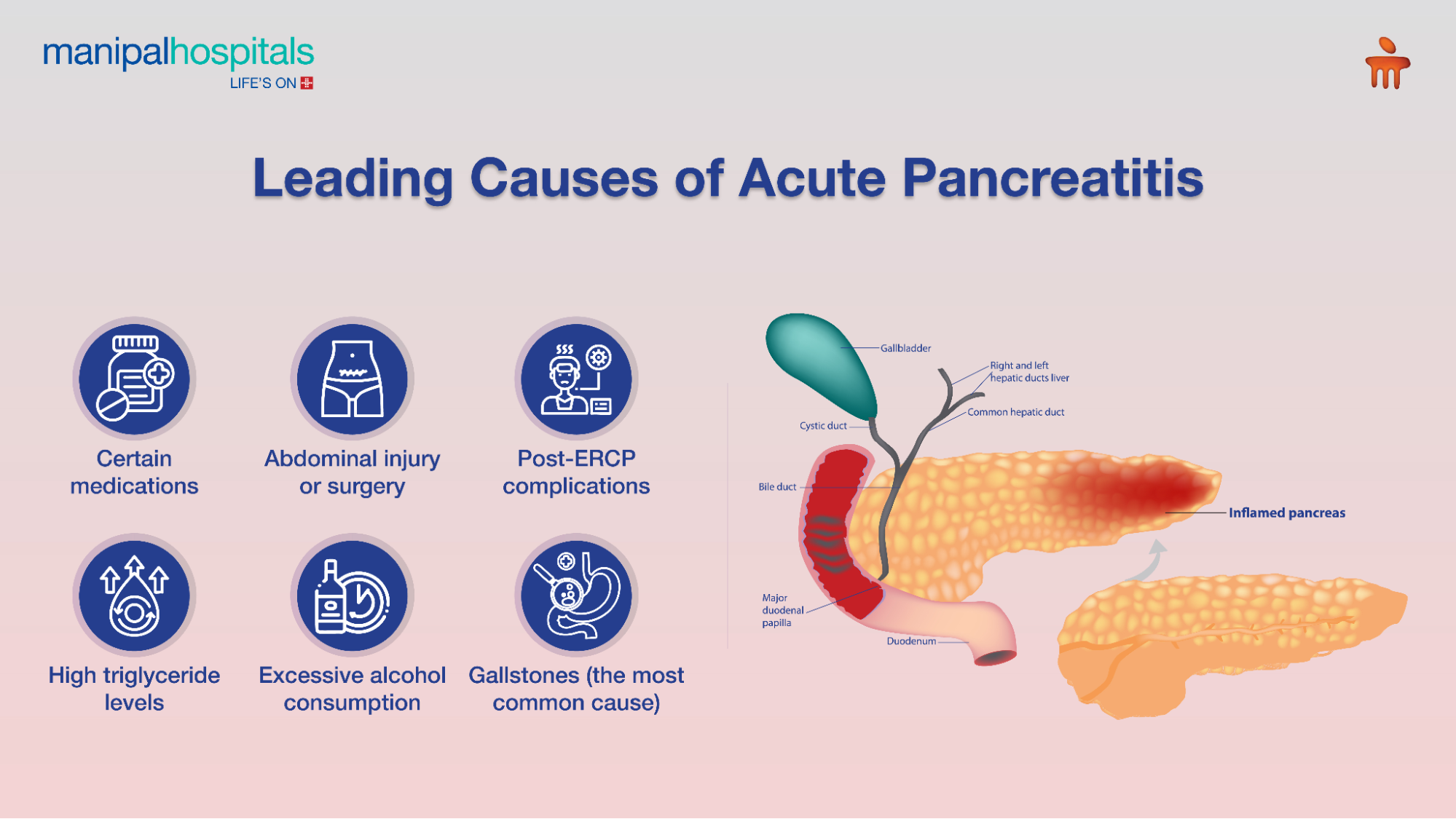
Identifying the underlying cause is a crucial part of acute pancreatitis treatment, as it helps prevent future episodes.
-
Gallstones are the most common cause, responsible for nearly 40% of cases
-
Excessive alcohol consumption significantly increases the risk
-
High triglyceride levels in the blood
-
Complications after procedures such as ERCP
-
Abdominal injury or recent surgery
-
Certain medications
How Acute Pancreatitis Is Diagnosed
At Manipal Hospitals in Pune, diagnosis is based on a combination of clinical assessment and advanced investigations.
Doctors begin by taking a detailed medical history and conducting a physical examination. Blood tests are then performed to check levels of pancreatic enzymes such as amylase and lipase. Imaging studies, including abdominal ultrasound, CT scan, or MRI, help confirm the diagnosis, identify gallstones, and assess the severity of inflammation.
Acute Pancreatitis Treatment at Manipal Hospitals in Pune
Treatment focuses on supporting the body while the pancreas heals and addressing the root cause of inflammation. Most patients require hospital admission for close monitoring.
Supportive Medical Care
The first step in treating acute pancreatitis is to rest the pancreas. Patients are usually advised to stop eating and drinking temporarily. Intravenous fluids are given to prevent dehydration, maintain blood circulation, and protect vital organs. Pain control is carefully managed, as pancreatitis-related pain can be severe.
Once symptoms begin to settle, food is reintroduced gradually, starting with clear liquids and moving towards a low-fat diet. In more severe cases, nutritional support may be provided through a feeding tube.
Treating the Underlying Cause
After stabilisation, treatment is directed towards preventing recurrence.
If gallstones are responsible, procedures such as ERCP may be performed to clear blocked ducts. Removal of the gallbladder after recovery significantly reduces the risk of future attacks. In alcohol-related pancreatitis, complete abstinence from alcohol is essential, along with counselling and long-term support. High triglyceride levels are managed with medications and dietary modifications under specialist supervision.
Recovery After Acute Pancreatitis
Recovery depends on how severe the inflammation was. Mild cases often improve within five to seven days, while more severe cases may take several weeks.
During recovery, patients are advised to follow a low-fat diet, avoid alcohol and smoking, and gradually return to normal activities. Regular follow-up appointments help ensure the pancreas has healed properly and reduce the risk of complications.
FAQ's
Mild cases often recover within a week, while severe cases may require longer hospitalisation and recovery.
Yes. If the underlying cause is not treated, the condition can return.
A low-fat, easily digestible diet is advised initially, followed by a balanced long-term diet rich in fruits, vegetables, and whole grains.
Most cases are mild, but severe pancreatitis can be serious if not treated promptly.
Stress alone does not cause pancreatitis, but unhealthy habits linked to stress may increase risk.
Share this article on: