6 Min Read
In the quiet corners of our bodies, a silent threat often lurks, working quietly to undermine our well-being: hypertension, commonly known as high blood pressure. You may feel completely normal, going about your daily routine, while your blood pressure remains consistently elevated in the background. Affecting over 1.3 billion people worldwide, hypertension is a major risk factor for heart disease, stroke, and kidney failure, yet many remain unaware of its presence. Understanding is the first step towards prevention and effective management. This blog will shed light on hypertension causes, its often subtle symptoms, and the crucial long-term impact it has on your heart health.
Synopsis
What is Hypertension?
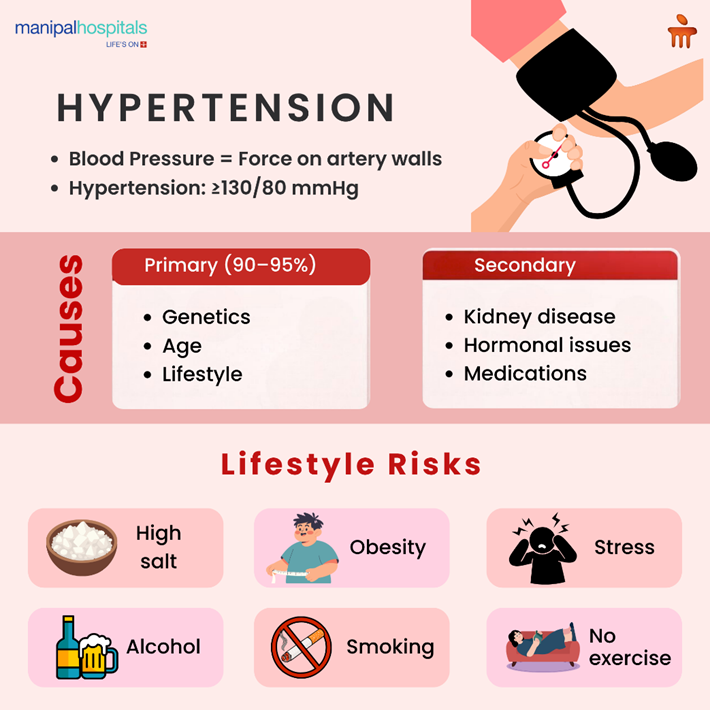
Blood pressure is the force of your blood pushing against the walls of your arteries as your heart pumps. When this pressure remains consistently too high, it's called hypertension. A healthy blood pressure reading is typically less than 120/80 mmHg. Hypertension is diagnosed when readings consistently show 130/80 mmHg or higher.
While often symptomless, untreated hypertension can lead to severe health complications. Globally, it contributes to an estimated 10.4 million deaths annually. The good news is that with early detection and proper management, the risks associated with high blood pressure can be significantly reduced, allowing millions to lead full and healthy lives.
Hypertension Causes: What Leads to High Blood Pressure?
Understanding the underlying hypertension causes is vital for prevention and management. There are two main types:
Primary (Essential) Hypertension
This is the most common form, accounting for 90-95% of cases. It develops gradually over many years, and often, no single identifiable cause is found. However, several factors significantly increase your likelihood:
-
Genetics: A family history of hypertension increases your likelihood.
-
Age: The risk of high blood pressure increases with age.
-
Lifestyle Choices:
-
Obesity: Carrying excess weight puts added strain on your heart and blood vessels. Studies show that maintaining a healthy weight can reduce the risk of hypertension by up to 50%.
-
High Sodium Intake: Too much salt can cause your body to retain fluid, increasing blood volume and pressure.
-
Lack of Physical Activity: Sedentary lifestyles contribute to higher blood pressure. Regular exercise can lower blood pressure by 4-9 mmHg.
-
Excessive Alcohol Consumption: Heavy drinking can raise blood pressure.
-
Stress: Chronic stress can contribute to temporary spikes in blood pressure.
-
Smoking: Nicotine temporarily raises blood pressure and damages artery linings.
Secondary Hypertension
This type is caused by an underlying condition and often appears suddenly, and causes higher blood pressure than primary hypertension. Addressing the root cause can often resolve secondary hypertension. Common hypertension causes in this category include:
-
Thyroid problems
-
Obstructive sleep apnea
-
Adrenal gland tumours
-
Certain medications (e.g., cold remedies, decongestants, birth control pills, some pain relievers)
-
Congenital defects of blood vessels
Hypertension Symptoms: The Silent Warning Signs
Hypertension is often called the "silent killer" because it typically has no obvious hypertension symptoms, even when blood pressure reaches dangerously high levels. Many people live with high blood pressure for years without knowing it. Regular blood pressure screenings are therefore crucial. However, in some cases, especially when blood pressure is extremely high, certain hypertension symptoms may appear. These include:
-
Severe headaches
-
Nosebleeds
-
Visual changes
-
Blood in the urine
-
Flushing
-
Fatigue or confusion
If you experience any of these severe hypertension symptoms, seek immediate medical attention. Do not wait for a routine check-up, as these could indicate a hypertensive crisis.
Hypertension Types: More Than Just "High"
Beyond primary and secondary, hypertension can be further categorised:
-
Isolated Systolic Hypertension: Only the top number (systolic) is high, common in older adults.
-
White Coat Hypertension: Blood pressure is high in a clinical setting but normal at home, often due to anxiety.
-
Masked Hypertension: Blood pressure is normal in a clinical setting but high at home, often due to stress or lifestyle factors.
-
Resistant Hypertension: Blood pressure remains high despite taking three or more different medications.
Long-Term Impact on Heart Health
Sustained high blood pressure relentlessly damages your blood vessels and organs. The heart, being at the centre of the circulatory system, bears a significant brunt. Over time, uncontrolled hypertension can lead to:
-
Coronary Artery Disease (CAD): High blood pressure damages arteries, making them more susceptible to plaque buildup (atherosclerosis), narrowing the arteries that supply blood to your heart.
-
Heart Attack and Stroke: Atherosclerosis can lead to blood clots, blocking blood flow to the heart or brain.
-
Heart Failure: The heart has to work harder to pump blood against high pressure, causing the muscle to thicken and weaken over time. An estimated 60% of heart failure cases are linked to hypertension.
-
Aneurysm: Prolonged high pressure can weaken blood vessels, leading to bulges (aneurysms) that can rupture, causing life-threatening internal bleeding.
-
Kidney Disease: High blood pressure can narrow and thicken the blood vessels to the kidneys, impairing their function.
-
Vision Loss: Damage to the tiny, delicate blood vessels in the eyes can impair vision.
The good news is that managing hypertension can reduce your risk of these complications by over 30% for heart attacks and strokes, and significantly improve overall health outcomes.
Hypertension Treatment: A Multifaceted Approach
Effective hypertension treatment involves a combination of lifestyle modifications and, if necessary, medication. The goal is to lower your blood pressure to a healthy range and prevent long-term complications.
Lifestyle Modifications
These are often the first line of defence and can be remarkably effective. Approximately 70% of individuals with pre-hypertension can avoid developing full-blown hypertension through lifestyle changes alone.
-
Healthy Diet: Adopt a diet rich in fruits, vegetables, whole grains, and lean proteins (like the DASH diet). Limit processed foods, unhealthy fats, and added sugars.
-
Reduce Sodium Intake: Aim for less than 2,300 milligrams (about 1 teaspoon) of sodium per day, ideally even less.
-
Regular Exercise: Engage in at least 150 minutes of moderate-intensity aerobic activity or 75 minutes of vigorous-intensity activity per week.
-
Maintain a Healthy Weight: Even a modest weight loss can significantly impact blood pressure.
-
Limit Alcohol: Moderate alcohol consumption, if at all (up to one drink per day for women, two for men).
-
Quit Smoking: Smoking cessation dramatically improves cardiovascular health.
-
Manage Stress: Practice stress-reducing techniques like yoga, meditation, or spending time in nature.
Medical Hypertension Treatment
If lifestyle changes aren't enough, your doctor may prescribe medication to help lower your blood pressure. Several classes of medications are available, and your hypertension specialist will determine the best option for you based on your individual health profile. It's crucial to take medications as prescribed and never stop without consulting your doctor.
Conclusion
Hypertension often develops quietly, but its long-term impact on the heart, kidneys, and blood vessels can be serious if left untreated. Regular monitoring, healthy lifestyle choices, and timely medical care are essential in keeping blood pressure under control and preventing complications.
If there are concerns about blood pressure or related symptoms, seeking medical advice early can make a significant difference. At Manipal Hospital Kanakapura Road, experienced cardiology specialists provide comprehensive evaluation and personalised treatment plans to help manage hypertension effectively and support long-term heart health.
FAQ's
A normal blood pressure reading is typically less than 120/80 mmHg. The top number (systolic) represents the pressure when your heart beats, and the bottom number (diastolic) is the pressure when your heart rests between beats.
While often not curable, hypertension is highly manageable. Through lifestyle changes and medication, most people can achieve healthy blood pressure levels and significantly reduce their risk of complications.
For adults over 18, it's recommended to have your blood pressure checked at least once every two years. If you have risk factors or are over 40, annual checks are advisable. Your doctor may recommend more frequent checks if you have existing hypertension.
Yes, limit foods high in sodium (processed foods, canned soups, frozen dinners), unhealthy saturated and trans fats (fried foods, fatty meats), and excessive sugar. Focus on fresh fruits, vegetables, whole grains, and lean proteins.
While stress can cause temporary spikes in blood pressure, chronic stress can contribute to long-term hypertension. Managing stress through relaxation techniques is an important part of overall blood pressure control.
A hypertension specialist, often a cardiologist or nephrologist with expertise in blood pressure management, can provide advanced diagnostic testing, tailor complex medication regimens, and offer specialised guidance for resistant or secondary hypertension cases, ensuring the most effective hypertension treatment plan.
Share this article on: