7 Min Read
Do you experience pain on the outside of your elbow, especially when gripping objects, lifting, or extending your arm? This might be the tell-tale sign of tennis elbow, medically known as lateral epicondylitis. While the name suggests a link to tennis, it's a prevalent condition affecting people from all walks of life – from office workers and manual labourers to hobbyists and athletes. Ignoring the early warning signs and delaying appropriate tennis elbow treatment can lead to chronic pain and functional limitations.
Synopsis
What is Tennis Elbow (Lateral Epicondylitis)?
Lateral epicondylitis, or tennis elbow, is a form of tendonitis – inflammation or, more accurately, micro-tears and degeneration of the tendons that join the forearm muscles to the outside of the elbow. These forearm muscles, specifically the extensor carpi radialis brevis, are responsible for extending your wrist and fingers. When these tendons are overused or subjected to repetitive stress, they can develop tiny tears, leading to pain and tenderness on the outside of the elbow.
Common Tennis Elbow Causes
The primary causes of tennis elbow include repetitive motions and overuse of the forearm muscles. While the name suggests a link to sports, many people develop it through occupational or recreational activities. Here are some common culprits:
-
Repetitive Wrist and Arm Motion: Activities that involve repeated gripping, twisting, or extending the wrist and forearm, such as painting, plumbing, carpentry, typing, or using a computer mouse, can strain the tendons.
-
Improper Technique: In sports like tennis, using an incorrect backhand stroke, or in other activities, using poor form can place undue stress on the elbow tendons.
-
Weak Forearm Muscles: Insufficient strength in the forearm muscles can make them more susceptible to injury during demanding tasks.
-
Sudden Increase in Activity: A rapid increase in the intensity, duration, or frequency of an activity without adequate conditioning can overwhelm the tendons.
-
Direct Trauma: Less commonly, a direct blow to the elbow area can also contribute to tendon damage.
Recognising Tennis Elbow Symptoms
Identifying the symptoms of tennis elbow early is necessary for effective intervention. Some of the common tennis elbow symptoms include:
-
Pain on the Outer Elbow: A sharp burning pain often radiating into the forearm and wrist.
-
Weakened Grip Strength: Holding objects, especially heavier ones, may become difficult and painful.
-
Pain during Wrist Extension: Activities that involve extending your wrist or lifting objects with your palm down can exacerbate the pain.
-
Tenderness: The outside bony prominence of the elbow (lateral epicondyle) is usually tender when pressed.
-
Morning Stiffness: Some individuals report stiffness in the elbow upon waking.
Difficulty with Simple Tasks: Everyday actions like shaking hands, turning a doorknob, or pouring a cup of coffee can become excruciating.
Comprehensive Tennis Elbow Treatment Options
We tailor tennis elbow treatment plans to your specific condition, severity, and lifestyle. The good news is that the vast majority of cases respond well to conservative (non-surgical) approaches.
Conservative Treatment Approaches
Approximately 80-95% of individuals with tennis elbow achieve significant improvement and long-term relief with non-surgical treatments. These approaches include:
-
Rest and Activity Modification: Avoiding activities that aggravate the pain allows the tendons to begin healing.
-
Pain Management: The doctor may suggest appropriate pain relievers and anti-inflammatory options to help manage discomfort and reduce swelling. These are typically used for a short duration.
-
Physical Therapy and Rehabilitation: A cornerstone of successful tennis elbow treatment. A physiotherapist will design a program that includes:
-
Stretching Exercises: Gentle stretches for the wrist extensors and flexors to improve flexibility and reduce tension.
-
Strengthening Exercises: Progressive strengthening of the forearm muscles to improve their resilience and ability to withstand stress.
-
Manual Therapy: Techniques like massage, mobilisation, and manipulation to improve tissue mobility and reduce pain.
-
Modalities: Ultrasound, phonophoresis, or electrical stimulation may be used to reduce pain and inflammation and promote healing. With consistent physical therapy, many patients experience improvement within 6-12 weeks, leading to a successful recovery rate of over 90% for those who adhere to their treatment plan.
Bracing and Support: Wearing an elbow brace or counterforce strap can help reduce tension on the injured tendons, providing support and pain relief during activities.
Advanced Non-Surgical Treatments
If conservative treatments don't provide sufficient relief after several weeks or months, we may consider advanced options:
-
Injections: To reduce pain and inflammation, we will discuss the appropriate type of injection for your condition. These are used judiciously due to potential side effects and are often combined with continued physical therapy.
-
Shockwave Therapy: This non-invasive treatment delivers high-energy sound waves to the affected area, stimulating healing and reducing pain. It's often considered for chronic cases that did not improve with conservative measures.
Surgical Intervention
Surgery for tennis elbow is considered a last resort, usually after 6-12 months of consistent, well-supervised non-surgical tennis elbow treatment have failed to provide relief.
The most common surgical procedure involves removing the damaged part of the tendon and reattaching the healthy portion to the bone. This can be done through an open incision or arthroscopically (minimally invasive). Post-surgery involves a period of immobilisation followed by a structured rehabilitation program, similar to conservative therapy, to restore strength and function. Surgical success rates for chronic, resistant cases are generally high, often exceeding 85-90% in terms of pain relief and functional improvement.
Lifestyle Modifications and Self-Care
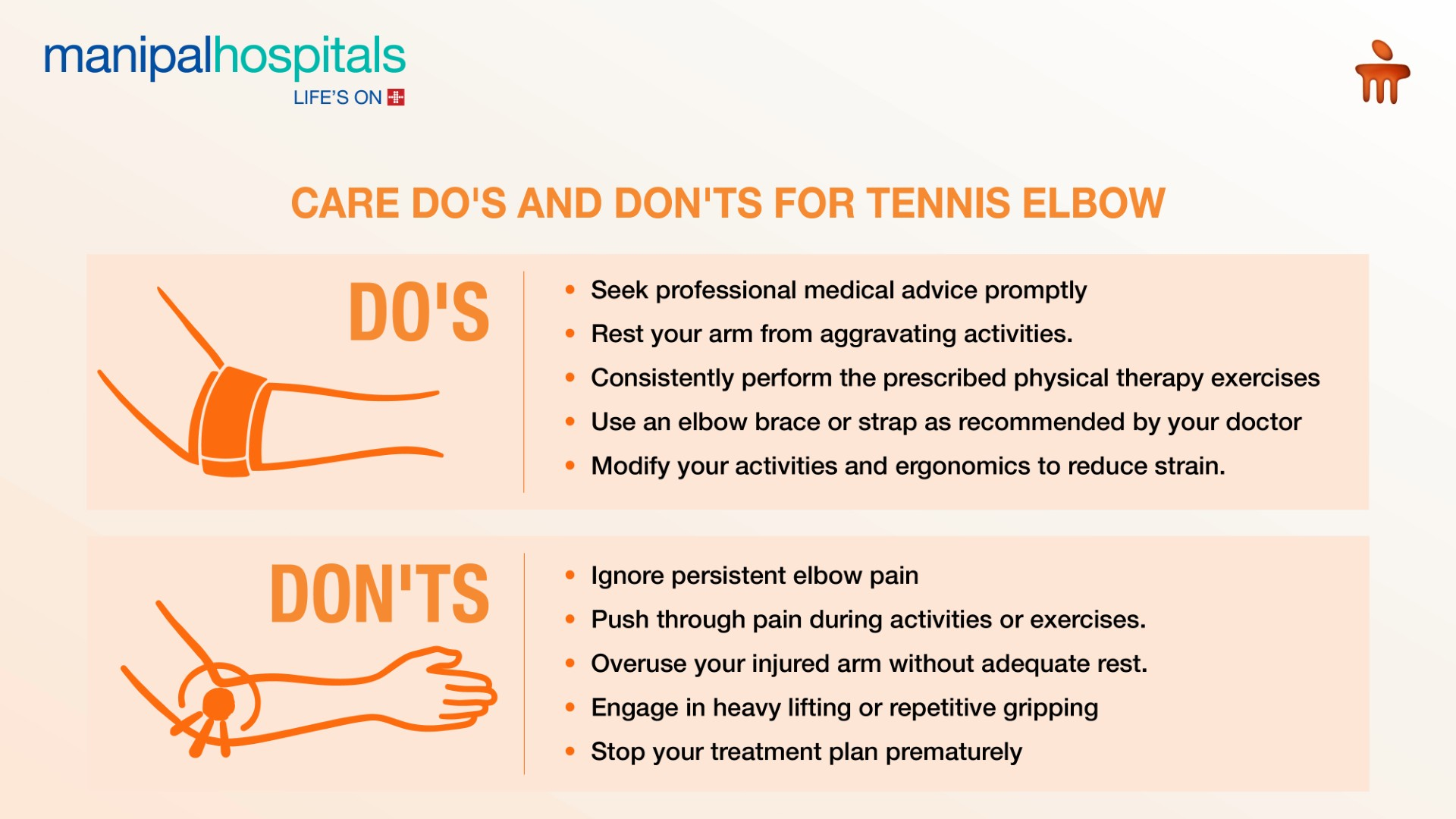
Beyond clinical treatments, incorporating certain lifestyle changes and self-care practices is essential for long-term relief and preventing the recurrence of tennis elbow:
-
Ergonomics: Evaluate your workstation, sports equipment, and tools. Ensure proper ergonomics to minimise strain on your elbow. This includes correct posture, appropriate mouse and keyboard setup, and using lighter tools or adjusting grip sizes.
-
Stretching and Strengthening: Regularly perform the elbow pain exercises recommended by our physiotherapist. Incorporate general forearm stretches and strengthening routines into your daily or weekly regimen.
-
Warm-Up and Cool-Down: Always warm up before engaging in activities that use your forearm muscles and cool down with gentle stretches afterwards.
-
Body: Pay attention to early signs of pain or discomfort. Don't push through pain, as this can exacerbate the injury. Take breaks and modify activities as needed.
-
Proper Nutrition and Hydration: A balanced diet rich in anti-inflammatory foods (like omega-3 fatty acids), vitamins, and minerals supports overall tissue health and healing. Staying well-hydrated is also beneficial for connective tissues.
Conclusion
If you are experiencing persistent elbow pain or any of the tennis elbow symptoms, it's crucial to seek timely medical advice. Manipal Hospitals, Goa, offers comprehensive and expert tennis elbow care. Our team of orthopaedic specialist and physiotherapists are equipped to diagnose your condition accurately and provide a personalised treatment plan for lasting relief.
FAQ's
While very mild cases might improve with rest, most instances of tennis elbow require some form of intervention. Without proper rest, activity modification, and rehabilitation, the condition can become chronic and more difficult to treat.
Recovery time varies greatly depending on the severity of the condition and adherence to treatment. With consistent tennis elbow treatment, many people experience significant improvement within 6-12 weeks, but full recovery can take several months. Chronic cases may take longer.
During the acute, painful phase, rest is often recommended. However, gentle, pain-free stretching may be initiated. Our physiotherapist will guide you on when it's safe to start more vigorous exercises to avoid exacerbating the injury.
Surgery is typically considered only after 6-12 months of comprehensive and consistent conservative tennis elbow treatment have failed to provide adequate relief.
Prevention involves identifying and addressing the tennis elbow causes. This includes maintaining forearm strength and flexibility through regular exercises, using proper technique during sports or work, taking frequent breaks, using ergonomic tools, and listening to your body's signals of fatigue or pain.
Share this article on: