5 Min Read
Finding a pimple on the face especially when looking at the mirror immediately dampens one’s mood. Whether it is in a teenager navigating puberty or in an adult who thought they had "outgrown" this phase, acne is a persistent and frustrating problem many of us have faced in our lives.
Scientifically known as acne vulgaris, this condition is the most common skin disorder in the world. It affects people of all ages and genders. Acne is a complex biological problem, which requires looking at the clinical undertones of acne causes to choose the correct acne treatment options.
Synopsis
Why Does Acne Happen
Every square inch of the skin contains thousands of hair follicles, each attached to a sebaceous (oil) gland.Normally, these glands produce sebum to keep your skin lubricated and protected. However, due to various factors, there is excessive sebum production which leads to an acne breakout.
There are four mechanisms of an acne vulgaris pimple formation:
-
Follicular Hyperkeratinization: When skin cells do not shed properly, they stick together and clog the opening of the pore.
-
Excess Sebum Production: Often driven by hormones, the oil glands overproduce sebum creating a sticky environment for the dead skin cells to get trapped.
-
Bacterial Acne (C. acnes): In a clogged, oily pore, the bacteria Cutibacterium acnes multiplies rapidly and thrives.
-
Inflammation: The immune system detects the bacterial overgrowth and sends white blood cells to get rid of them. This results in the redness, swelling, and pain we associate with inflammatory acne.
Understanding Common Causes of Acne
Various lifestyle factors influence the formation and progression of acne. Knowing these underlying causes can help to understand and even determine the appropriate acne treatment solutions. These include:
-
High cortisol levels due to stress stimulate the sebaceous glands to produce more oil.
-
High-glycemic diets (sugary drinks, white bread, processed snacks) cause insulin spikes. High insulin increases IGF-1 (Insulin-like Growth Factor 1), which is a major driver of inflammatory acne.
-
If your parents struggled with cystic acne, there is a significantly higher chance you will too.
Identifying Acne Symptoms
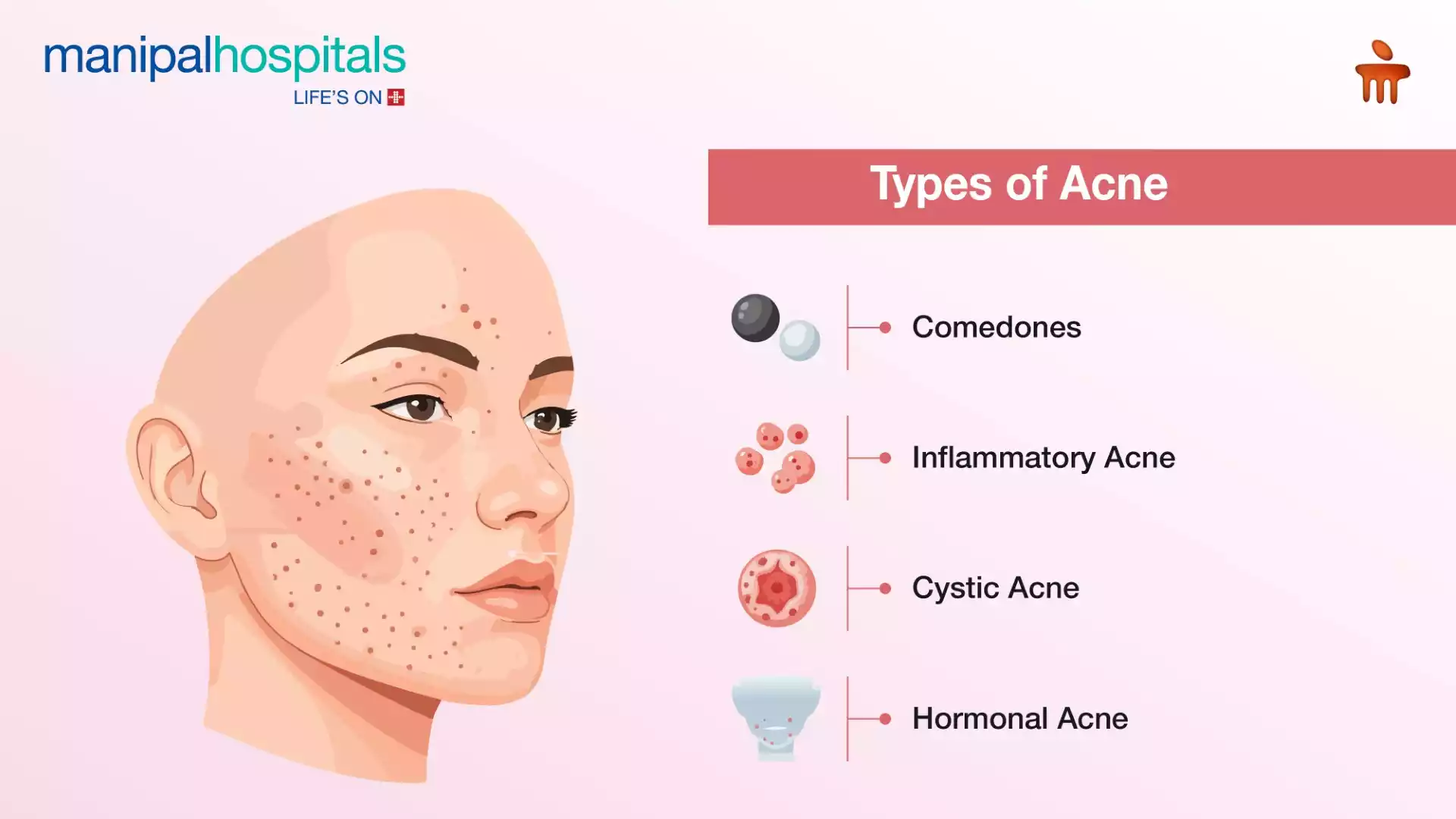
Understanding your specific acne symptoms is the first step in choosing a treatment that actually works. Some common symptoms include:
-
Comedones (Non-inflammatory): These are clogged pores without significant redness.
-
Inflammatory Acne: This includes papules (small red bumps) and pustules (pimples with a white head of pus) often indicating bacterial acne.
-
Cystic Acne: These are deep, painful, and large lesions that form under the skin's surface. This type can cause permanent scarring and rarely respond to over-the-counter (OTC) creams.
-
Hormonal Acne: This often presents as deep, painful bumps along the jawline, chin, and neck. It usually flares up in response to androgens and progesterone fluctuations.
Advanced Treatment Options
The lesser forms of acne can be managed by simple dermatological solutions such as over the counter serums, and formulations. However, cystic and hormonal acne requires extensive treatment as these types may cause scarring and immense pain. Some of the advanced treatments for acne include:
1. Chemical Peels for Acne
Chemical peels for acne use controlled concentrations of alpha-hydroxy acids (AHAs) or beta-hydroxy acids (BHAs) to remove the dead skin cells. These acids clear the follicular plug and reduce oil. Salicylic acid peels are particularly effective because they are oil-soluble, meaning they can dive deep into the pore to clear out the gunk.
2. Laser Treatment for Acne
Laser treatment for acne works in two ways:
-
Killing Bacteria: Certain wavelengths of light (like blue light) are toxic to the bacteria that cause bacterial acne.
-
Shrinking Glands: Other lasers, like 1720nm or 1450nm wavelengths, target the sebaceous glands directly, slowing down oil production for months at a time.
3. Microneedling for Acne Scars
Microneedling involves using tiny, sterile needles to create controlled micro-injuries in the skin. This triggers the body’s natural wound-healing response, flooding the pitted scars with new collagen and elastin, and smoothes out the skin's texture.
|
Treatment |
Primary Target |
Downtime |
Recommended Frequency |
|
Chemical Peels |
Clogged pores & surface texture |
1–3 days of light flaking |
Every 4–6 weeks |
|
Laser Therapy |
Bacteria & oil gland activity |
Minimal to none |
3–5 sessions, monthly |
|
Microneedling |
Pitted scars & uneven texture |
2–4 days of redness |
Every 6 weeks |
|
Oral Retinoids |
Severe Cystic acne & oil |
Varies (Internal) |
Daily for 6–9 months |
Conclusion
Acne is one such skin condition that can make one feel uncomfortable in their skin. It affects one’s confidence and can severely affect quality of life. However, there are various options which can help to get rid of the pain and scarring associated with acne so that one does not have to “live with it”
If you are looking to explore the various advanced treatment options for acne, our experts at the Department of Dermatology can help you on the journey. Whether you're dealing with a simple case of inflammatory acne or a more complex hormonal or bacterial issue, our dermatologists will be able to diagnose and come up with a treatment solution for the same.
FAQ's
No. Cystic acne is an internal infection/inflammation. While a warm compress or a hydrocolloid patch can help reduce the swelling, "uring it requires patience and often prescription medication to address the root cause.
When you start an active acne treatment like a retinoid or chemical peels for acne, it speeds up cell turnover. This can bring "pre-existing" clogs to the surface all at once. If it's a purge, it should happen in areas where you usually break out and clear up within 4–6 weeks.
Most modern lasers cause mild pain against the skin. Most clinics use cooling air or numbing cream to make the process quite comfortable.
Bacterial acne is caused by a specific strain of bacteria that lives on everyone's skin. It only becomes a problem when it gets trapped in a pore. Over-washing can actually strip your skin barrier, leading to more irritation and worse breakouts.
High-glycemic foods (sugary snacks, white bread) can spike insulin, which may increase oil production and worsen inflammatory acne.
This is a classic sign of hormonal acne. It typically appears in the "U-zone" and is often linked to internal hormonal shifts rather than external skin hygiene.
Microneedling for acne scars is a restorative procedure. Performing it over active, inflammatory acne can actually spread bacteria and worsen the breakout. It’s best to clear the skin first, then treat the scars.
Share this article on: