5 Min Read
The symptoms of rosacea are often misunderstood or mistaken for common skin issues such as acne, sunburn, or sensitive skin. Rosacea is a chronic inflammatory skin condition that primarily affects the face and tends to flare up over time. Early identification of the symptoms of rosacea is essential to prevent progression and long-term skin damage. With timely assessment from our dermatologists in Delhi-NCR, many patients successfully manage rosacea and maintain healthy skin with the right treatment approach.
This blog provides a detailed, medically aligned overview of the symptoms of rosacea, including early warning signs, underlying causes, different types, available treatments, and guidance on when to seek medical advice.
Synopsis
What Is Rosacea?
Rosacea is a long-term skin condition characterised by facial redness, visible blood vessels, and inflammatory bumps. The symptoms of rosacea typically appear on the cheeks, nose, forehead, and chin, though they may also affect the eyes. Rosacea commonly develops in adults between 30 and 60 years of age and is more frequent in individuals with fair skin, though it can affect all skin tones.
Understanding the symptoms of rosacea early allows for better disease control and reduces the risk of complications.
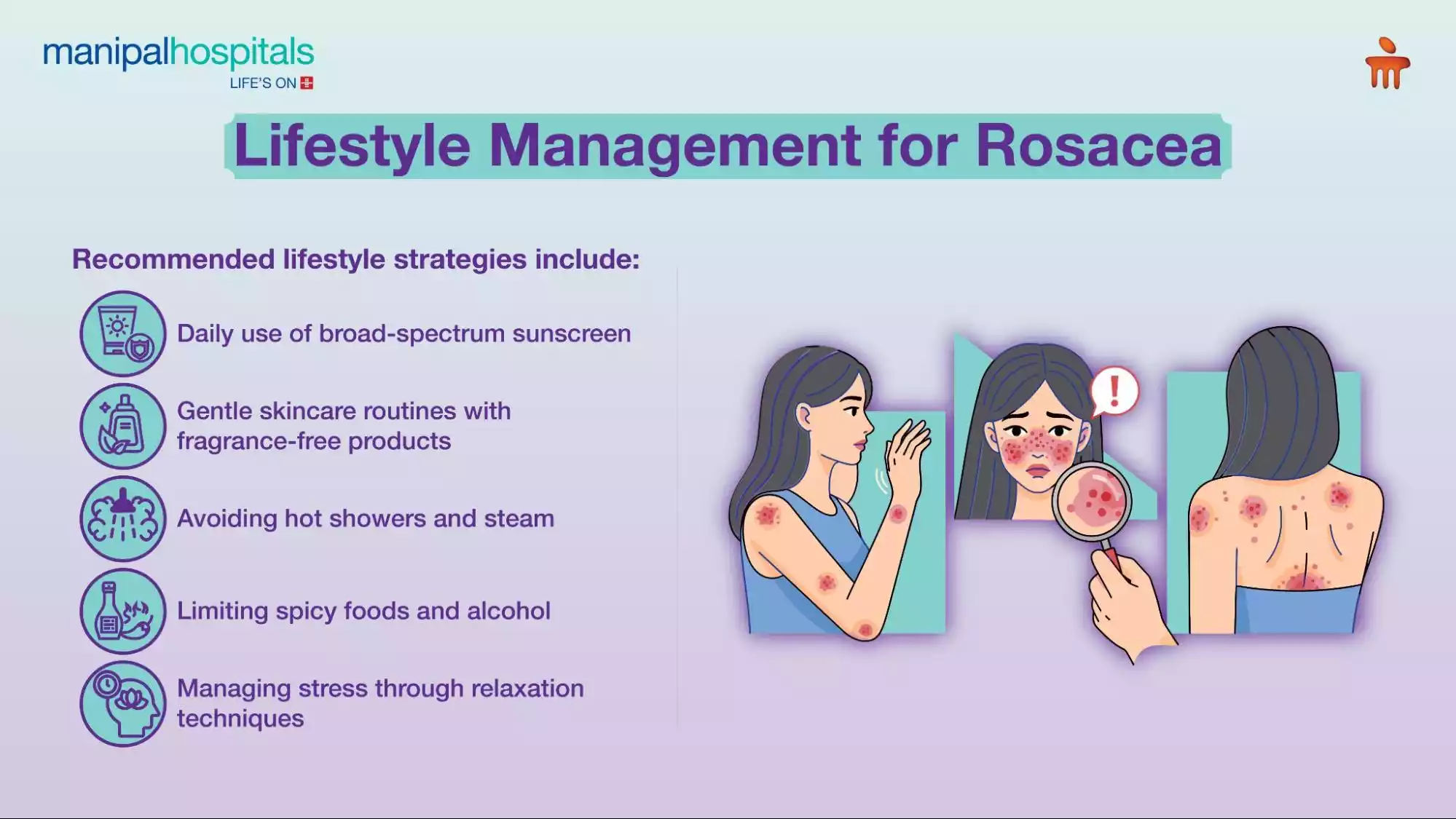
Early Symptoms of Rosacea
Recognising the early symptoms of rosacea is crucial, as early intervention can slow disease progression. Many people ignore initial signs, assuming they are temporary skin reactions.
Common early symptoms of rosacea include:
-
Persistent facial redness that resembles blushing or sunburn
-
Frequent flushing triggered by heat, spicy foods, alcohol, or stress
-
Skin sensitivity, burning, or stinging sensations
These early symptoms of rosacea may come and go initially, but often become more persistent without treatment. Identifying early symptoms of rosacea allows dermatologists to recommend lifestyle changes and targeted therapies before symptoms worsen.
Common Symptoms of Rosacea
The symptoms of rosacea vary from person to person, but usually worsen over time if untreated. Typical symptoms of rosacea include:
-
Persistent redness across the central face
-
Visible blood vessels (telangiectasia)
-
Red bumps or pus-filled pimples
-
Thickened skin, especially on the nose
-
Eye irritation, dryness, or eye redness
As the symptoms of rosacea progress, flare-ups may become more frequent and severe, impacting self-esteem and quality of life.
Causes of Rosacea
The exact causes of rosacea are not fully understood, but research suggests that multiple factors contribute to its development. Understanding the causes of rosacea helps in identifying triggers and preventing flare-ups.
Commonly recognised causes of rosacea include:
-
Abnormal immune system response
-
Genetic predisposition
-
Overactive facial blood vessels
-
Presence of Demodex mites on the skin
-
Environmental triggers such as sun exposure and pollution
Lifestyle factors such as spicy foods, alcohol, emotional stress, and extreme temperatures are known to aggravate the causes of rosacea, leading to flare-ups of symptoms.
Types of Rosacea
There are several recognised types of rosacea, each with distinct features. Identifying the specific types of rosacea is important for selecting appropriate treatment.
1. Erythematotelangiectatic Rosacea (ETR)
This is the most common type and is marked by persistent redness and visible blood vessels. The symptoms of rosacea in this type include flushing and skin sensitivity.
2. Papulopustular Rosacea
Often mistaken for acne, this type presents with red bumps and pus-filled pimples. Among the types of rosacea, this form is inflammatory and often painful.
3. Phymatous Rosacea
This rare but severe type causes thickened, bumpy skin, most commonly on the nose. The symptoms of rosacea here are progressive skin enlargement and texture changes.
4. Ocular Rosacea
This type affects the eyes, causing dryness, irritation, redness, and blurred vision. Ocular involvement is one of the most overlooked types of rosacea.
Some individuals may experience more than one of the types of rosacea simultaneously.
Treatment of Rosacea
Although rosacea has no permanent cure, effective treatment of rosacea can significantly reduce symptoms and improve skin appearance. The treatment of rosacea depends on the severity, symptoms, and type involved.
Common treatment options for rosacea include:
-
Topical medications to reduce redness and inflammation
-
Oral antibiotics for moderate to severe cases
-
Laser and light therapies for visible blood vessels
-
Eye treatments for ocular rosacea
A personalised treatment plan often combines medical therapy with lifestyle changes. Many patients benefit from regular follow-ups with our dermatologist in Delhi-NCR, who tailors treatment according to symptom patterns and triggers.
Importance of Early Diagnosis
Early diagnosis reduces disease progression and improves response to treatment of rosacea. Addressing early symptoms of rosacea helps prevent permanent redness, visible blood vessels, and skin thickening.
Patients who seek early care often experience better control of the symptoms of rosacea and fewer flare-ups over time.
Conclusion
The symptoms of rosacea can significantly affect both skin health and emotional well-being if left untreated. Recognising early symptoms of rosacea, understanding the causes of rosacea, identifying the correct types of rosacea, and starting timely treatment of rosacea are key to long-term management. With the right medical care, lifestyle adjustments, and expert guidance from our dermatologists in Delhi-NCR, individuals with rosacea can achieve healthier, clearer skin and improved confidence. Book an appointment at Manipal Hospitals Delhi NCR today!
FAQ's
The most common symptoms of rosacea include persistent facial redness, flushing, visible blood vessels, and acne-like bumps.
Early symptoms of rosacea include frequent flushing, skin sensitivity, and mild persistent redness.
The causes of rosacea include genetic factors, immune response abnormalities, environmental triggers, and vascular changes.
The main types of rosacea are erythematotelangiectatic, papulopustular, phymatous, and ocular rosacea.
Yes, with consistent treatment of rosacea and trigger management, symptoms can be well-controlled long-term.
Share this article on: