5 Min Read
Back pain is a widespread health issue affecting people of all ages.. Understanding what a spine problem is, recognising its symptoms, and knowing about various spinal issues helps seek timely care. Our spine surgeons in Delhi-NCR are highly skilled in diagnosing spine disorders and providing comprehensive treatment options that restore mobility and relieve pain.
Synopsis
What Is a Spine Problem?
Spine problems refer to any condition affecting the vertebral column, spinal discs, nerves, and their surrounding muscles and ligaments. The spine is the strong supporting column for your body, which protects your spinal cord, while enabling flexible movement. The spine is the most commonly affected organ in your body due to continuous use. When any of its components malfunction, maybe due to injury, degeneration, or disease, it can cause spine problems symptoms, which include mainly pain, stiffness, numbness, or weakness. These symptoms vary in intensity and location depending on the person and the affected spine region, cervical, thoracic, or lumbar.
Our team of spine surgeons in Delhi-NCR explain that spine problems encompass a wide range of disorders, including herniated discs, spinal stenosis, degenerative disc disease, deformity, including kyphosis & scoliosis, fractures, infections and tumours/ cancer. Being aware of these conditions is the first step to managing back pain effectively.
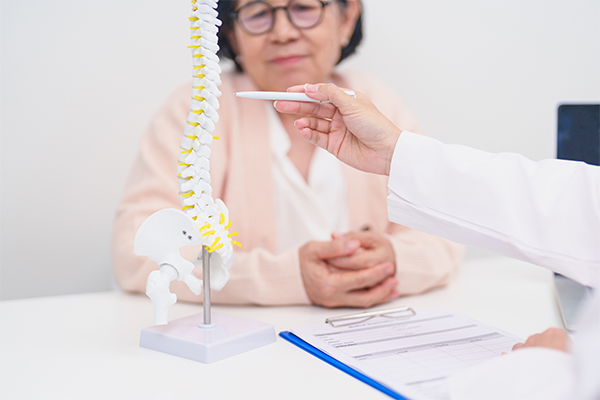
Common Spine Problems and Symptoms
1. Herniated Disc
The spine's vertebrae are cushioned by soft discs. The disc absorbs the forces and allows smooth motion. Herniation occurs when the disc's outer layer tears, forcing the inner gel to protrude out and irritate nearby nerves. This leads to sharp back pain, numbness, tingling, or weakness in the limbs. Herniated discs are most common in the lower back but can also occur in the neck.
2. Degenerative Disc Disease
Ageing and wear can cause spinal discs to lose hydration and elasticity. This degeneration leads to pain, reduced mobility, andnerve compression. Patients often experience chronic back pain and stiffness, especially after long periods of inactivity.
3. Spinal Stenosis
This condition involves narrowing of the spinal canal, putting pressure on the spinal cord and nerves. Symptoms include pain, numbness, and muscle weakness, which worsens with walking or standing and improving when sitting or leaning forward.
4. Scoliosis and Other Spine Curve Problems
Scoliosis is an abnormal lateral curvature of the spine that can develop during growth or due to degenerative changes. While mild cases may be asymptomatic, severe spinal curve problems can cause back pain, uneven posture, and nerve-related symptoms.
5. Muscle Strain and Ligament Sprain
Overuse, awkward movements, or poor posture strain the muscles and ligaments supporting the spine, causing inflammation and pain. These are common causes of acute back pain.
6. Osteoarthritis and Osteoporosis
Degeneration of facet joints in the spine leads to osteoarthritis, marked by pain and decreased motion. Osteoporosis weakens bones, increasing fracture risk, which can cause severe spine pain and deformity.
Our spine specialists in Delhi-NCR emphasise that accurate diagnosis involves detailed examination and imaging studies such as X-rays, MRI, or CT scans to determine the exact spine problem.
How Spine Disorders Cause Back Pain
Back pain from spine disorders results mainly from nerve irritation, mechanical instability, inflammation, or tissue damage affecting muscles and ligaments. Nerves compressed by herniated discs or bone spurs transmit pain signals down the arms or legs, causing radiating pain called radiculopathy. Inflammatory conditions cause swelling and tissue damage, leading to persistent pain and discomfort.
Postural issues or spinal curve problems alter biomechanics, increasing stress on spinal structures, which eventually causes pain. Chronic pain may also develop from changes in the brain’s pain processing system, further complicating treatment.
Treatment Options for Spine Disorders
Treatment for spine problems aims to relieve pain, restore function, and prevent progression. Our spine surgeons in Delhi-NCR provide personalised treatment plans based on the specific spine disorder and its severity.
Conservative Treatments
-
Physical Therapy: Tailored exercises to strengthen supporting muscles, improve flexibility, and correct posture. Often, the first step in treating spine-related problems is treatment.
-
Medications: Pain relievers, anti-inflammatory drugs, and muscle relaxants help reduce pain and improve mobility.
-
Epidural Steroid Injections: For nerve inflammation, injections can provide significant temporary relief.
-
Lifestyle Modifications: Weight management, ergonomic adjustments, and avoiding activities that aggravate pain.
Surgical Treatments
Surgery may be necessary when conservative measures fail or neurological symptoms worsen. Surgical options include:
-
Discectomy or Microdiscectomy: Removal of herniated disc material pressing on nerves.
-
Spinal Fusion: Stabilising unstable or degenerated segments.
-
Laminectomy: Removing bone to decompress nerves in spinal stenosis.
-
Correction of Spinal Curve Problems: Procedures like spinal fusion or instrumentation correct severe scoliosis.
Our spine surgery hospital Delhi-NCR use minimally invasive techniques whenever possible to reduce recovery time and improve outcomes.
Prevention and Self-Care Tips for Spine Health
Preventing spine problems and managing minor symptoms at home can go a long way toward maintaining back health:
-
Maintain good posture while sitting, standing, or lifting.
-
Engage in regular physical activity, focusing on core strength.
-
Avoid prolonged sitting and take breaks to move and stretch.
-
Use supportive mattresses and chairs.
-
Practice safe lifting techniques and avoid heavy lifting when possible.
-
Maintain a healthy weight to reduce spine load.
-
Cease smoking, which impairs bone healing and exacerbates spine problems.
Our spine surgeons in Delhi-NCR recommend these practices as part of holistic spine care.
Conclusion
Spine disorders and spine curve problems are common causes of back pain, but can be effectively managed with timely diagnosis and appropriate treatment. Our spine specialists in Delhi-NCR provide expert care combining advanced medical techniques and personalised rehabilitation to restore function and improve quality of life. Don’t let spine problems hold you back; consult our specialists for a comprehensive assessment and tailored treatment plans.
FAQ's
Causes include injury, ageing-related degeneration, poor posture, repetitive strain, arthritis, and congenital abnormalities.
Symptoms include localised back pain, radiating pain, numbness, tingling, muscle weakness, stiffness, and posture changes.
Diagnosis involves clinical examination, imaging tests like MRI and X-rays, and neurological assessments by spine specialists.
Treatment ranges from physical therapy and bracing to surgical correction, depending on severity.
Seek consultation for persistent pain, neurological symptoms, worsening posture, or after injury.
Share this article on: