6 Min Read
Stroke is a medical emergency that demands immediate attention. Every minute counts because delayed treatment can lead to permanent brain damage, disability, or even death. Understanding the signs of a stroke can make the difference between life and death, especially when quick action leads to timely medical intervention. Our experts in Delhi-NCR emphasise the importance of stroke awareness and state that early recognition remains a critical pillar of emergency care.
This detailed guide explains the signs of a stroke, outlines the signs and symptoms of stroke, highlights the early warning signs of stroke, and also discusses the signs of recovery from stroke. By recognising these indicators early, individuals and caregivers can act decisively and improve outcomes.
Synopsis
- What Is a Stroke and Why Early Recognition Matters
- Common Signs of a Stroke You Should Never Ignore
- Early Warning Signs of Stroke That May Appear Hours Before
- Signs and Symptoms of Stroke in Different Age Groups
- When to Seek Emergency Medical Care
- Signs of Recovery from Stroke: What Healing Looks Like
- Rehabilitation and Long-Term Stroke Recovery
- Preventing Stroke by Recognising Early Signs
- Importance of Stroke Awareness in Families and Communities
- Conclusion
What Is a Stroke and Why Early Recognition Matters
A stroke occurs when blood flow to the brain is interrupted or reduced, depriving brain tissue of oxygen and nutrients. Brain cells begin to die within minutes, making early identification of the signs of a stroke absolutely vital.
There are three main types of stroke:
-
Ischemic stroke – Caused by a blocked artery
-
Hemorrhagic stroke – Caused by bleeding in the brain
-
Transient ischemic attack (TIA) – Often called a mini-stroke
Regardless of the type, the early warning signs of stroke are often similar and should never be ignored.
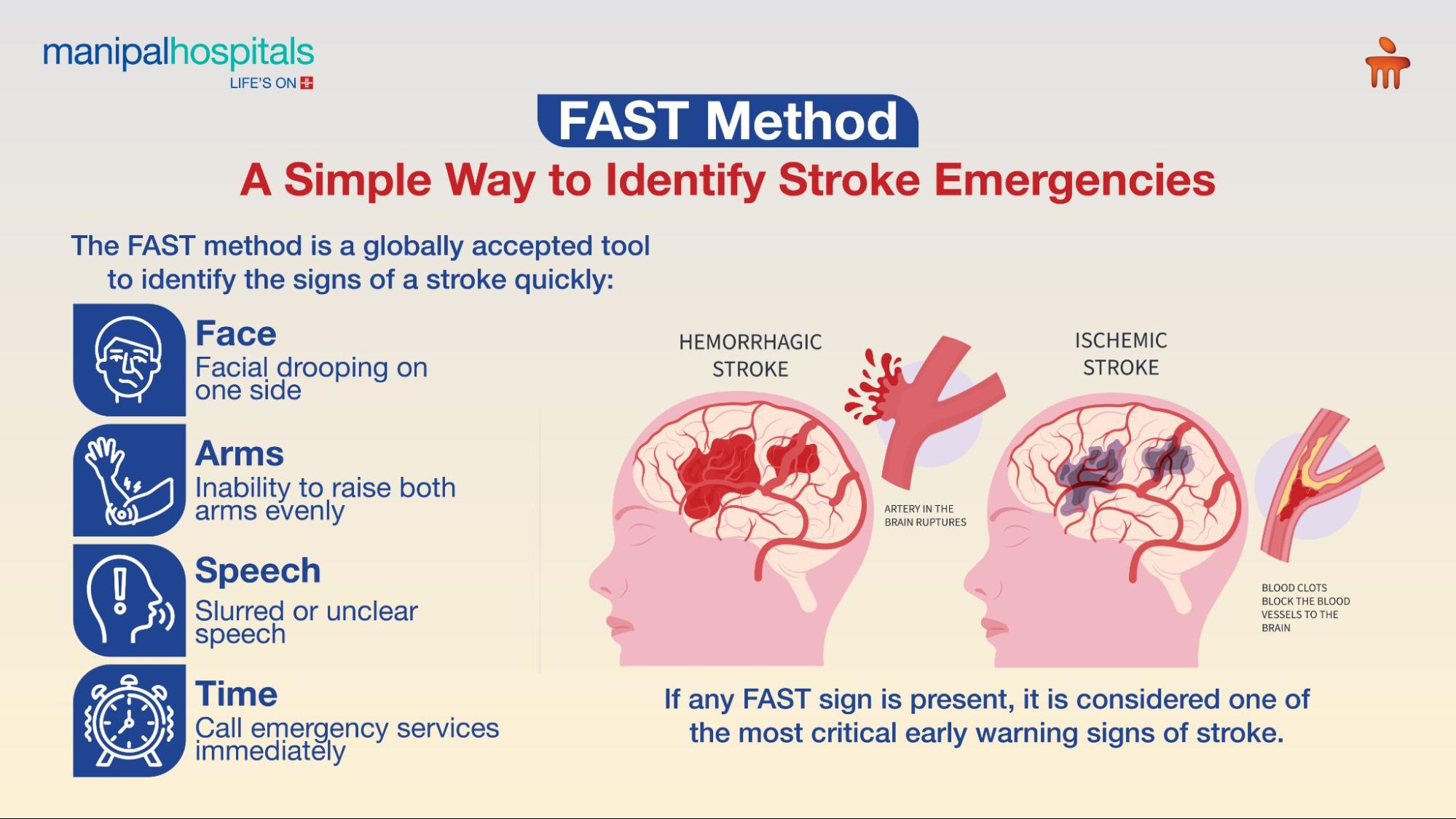
Common Signs of a Stroke You Should Never Ignore
Recognising the signs of a stroke early allows for faster treatment and better recovery chances. These signs often appear suddenly and worsen quickly.
Key Signs of a Stroke Include:
-
Sudden numbness or weakness in the face, arm, or leg - Often affecting one side of the body, interfering with movement, sensation, and daily functional activities.
-
Difficulty speaking or understanding speech - Speech may become slurred, confused, unclear, or completely impaired, affecting effective communication instantly.
-
Sudden vision problems in one or both eyes - Includes blurred vision, double vision, or partial vision loss occurring without warning.
-
Loss of balance, dizziness, or coordination issues - May cause sudden falls, difficulty walking, or inability to maintain posture safely.
-
Severe headache with no known cause - Intense, abrupt headache often described as the worst ever experienced, suddenly.
These classic signs and symptoms of stroke require immediate emergency care.
Early Warning Signs of Stroke That May Appear Hours Before
Not all strokes happen without notice. Some early warning signs of stroke can develop hours or even days before a major event.
These include:
-
Temporary numbness or tingling
-
Brief speech difficulties
-
Short episodes of vision loss
-
Sudden confusion that resolves quickly
Such symptoms may indicate a TIA, which is a serious predictor of a future stroke. Recognising these signs of a stroke early can prevent long-term damage.
Signs and Symptoms of Stroke in Different Age Groups
Stroke does not only affect the elderly. The signs and symptoms of stroke can vary by age.
In Older Adults:
-
Confusion
-
Sudden weakness
-
Balance problems
In Younger Adults:
-
Severe headaches
-
Visual disturbances
-
Speech difficulty
In Women:
-
Fatigue
-
Nausea
Understanding these varied signs of a stroke ensures faster diagnosis across age groups.
When to Seek Emergency Medical Care
The moment you observe any signs of a stroke, immediate medical help is essential. Delaying treatment reduces the effectiveness of clot-busting therapies and increases the risk of disability.
Our experts in Delhi-NCR emphasise that stroke treatment within the first “golden hour” dramatically improves survival and recovery rates.
Signs of Recovery from Stroke: What Healing Looks Like
Recovery after a stroke varies for each individual. Recognising the signs of recovery from stroke helps patients and families stay motivated during rehabilitation.
Common Signs of Recovery from Stroke:
-
Improved speech clarity
-
Gradual return of muscle strength
-
Better coordination and balance
-
Enhanced memory and focus
-
Increased independence in daily activities
These signs of recovery from stroke often appear gradually and require consistent therapy and medical support.
Rehabilitation and Long-Term Stroke Recovery
Stroke recovery involves physical therapy, occupational therapy, speech therapy, and lifestyle changes. Monitoring the signs of recovery from stroke ensures rehabilitation plans remain effective.
Key recovery strategies include:
-
Regular physiotherapy sessions
-
Speech and language therapy
-
Cognitive rehabilitation
-
Blood pressure and cholesterol management
-
Emotional and psychological support
Recognising both progress and setbacks in the signs of recovery from stroke helps tailor ongoing care.
Preventing Stroke by Recognising Early Signs
Many strokes can be prevented by addressing risk factors early. High blood pressure, diabetes, smoking, obesity, and a sedentary lifestyle increase the likelihood of stroke.
Being aware of the early warning signs of stroke allows individuals to seek preventive care before irreversible damage occurs. Timely consultations with our experts in Delhi-NCR can help manage these risks effectively.
Importance of Stroke Awareness in Families and Communities
Stroke awareness is not just for patients—it’s for families, caregivers, and communities. Knowing the signs and symptoms of stroke empowers people to act quickly during emergencies.
Community education, workplace awareness programs, and public health initiatives play a major role in reducing stroke-related mortality by improving recognition of the signs of a stroke.
Conclusion
Stroke is a time-sensitive emergency where early action saves lives. Recognising the signs of a stroke, understanding the signs and symptoms of stroke, acting on the early warning signs of stroke, and supporting patients through the signs of recovery from stroke are all essential steps in improving outcomes. With awareness, preparedness, and expert care from our Accident & Emergency Care doctors in Delhi-NCR, stroke survival and recovery can significantly improve.
FAQ's
The earliest signs of a stroke include sudden weakness, slurred speech, facial drooping, and vision problems.
The signs and symptoms of stroke primarily affect speech, movement, and vision, while heart attacks cause chest pain and breathlessness.
Yes, but disappearing early warning signs of stroke may indicate a TIA and still require urgent medical evaluation.
Recovery varies, but signs of recovery from stroke may appear within weeks and continue improving over months or years.
Immediately. Any signs of a stroke require emergency care and evaluation by trained professionals, such as our experts in Delhi-NCR.
Share this article on: