7 Min Read
Loud snoring is more than just a nightly disturbance it can be a sign of underlying health concerns that need attention. Understanding loud snoring causes is essential not only for better sleep but also for long-term respiratory and cardiovascular health. At Manipal Hospitals, our pulmonologists in Delhi-NCR frequently evaluate patients who report disruptive snoring, disturbed sleep cycles, and excessive daytime fatigue. Identifying the root of loud snoring early can prevent complications and significantly improve quality of life.
In this comprehensive guide, we explore loud snoring causes, associated symptoms, medical risks, and practical home remedies that can help restore peaceful sleep.
Synopsis
- Understanding Loud Snoring Causes
- What Causes Loud Snoring in Adults?
- Symptoms Associated With Loud Snoring Causes
- Why Do I Snore So Loud? Key Risk Factors
- Health Risks Linked to Loud Snoring Causes
- How to Stop Snoring Naturally
- Home Remedies for Snoring That May Help
- How to Avoid Snoring During Sleep
- When to See a Specialist
- Medical Treatment Options
- Conclusion
Understanding Loud Snoring Causes
Snoring occurs when airflow through the mouth and nose is partially obstructed during sleep. The vibration of relaxed throat tissues produces the familiar snoring sound. However, loud snoring causes are often linked to more complex anatomical or medical factors.
Some common loud snoring causes include:
-
Nasal congestion due to allergies or sinus infections
-
Deviated nasal septum
-
Enlarged tonsils or adenoids
-
Obesity causes fat deposits around the airway.
-
Relaxed throat muscles due to alcohol consumption
-
Sleep position, especially lying on the back
When airflow becomes repeatedly blocked, it may lead to pauses in breathing during sleep, which can indicate obstructive sleep apnoea (OSA). Recognising loud snoring causes early helps differentiate harmless snoring from serious sleep disorders.
What Causes Loud Snoring in Adults?
If you often wonder what causes loud snoring, the answer may lie in a combination of lifestyle and anatomical factors. In adults, throat muscle tone decreases with age, which increases the likelihood of airway collapse during sleep. This is one of the primary causes of loud snoring observed in middle-aged individuals.
Additional contributors to loud snoring include:
-
Excess weight around the neck
-
Smoking irritates the airway tissues.
-
Hormonal changes
-
Chronic nasal blockage
-
Use of sedatives
Many patients ask, why do I snore so loudly, especially when my snoring is audible outside the bedroom. Loud snoring usually suggests significant airway narrowing. Persistent symptoms should not be ignored, particularly if accompanied by pauses in breathing during sleep.
Symptoms Associated With Loud Snoring Causes
While occasional snoring may not be alarming, certain symptoms linked to loud snoring indicate a more serious problem.
Watch out for:
-
Pauses in breathing during sleep
-
Sudden gasping or choking at night.
-
Morning headaches
-
Dry mouth on waking
-
Excessive daytime sleepiness
-
Poor concentration
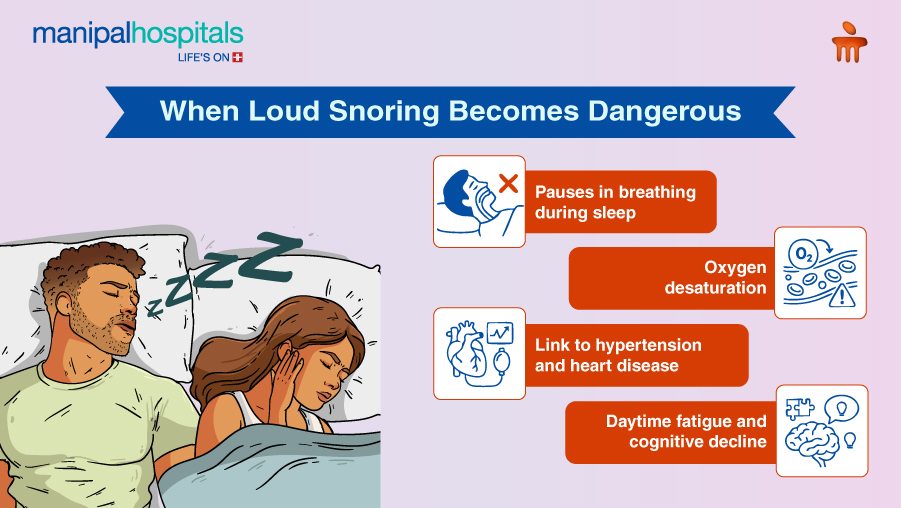
Repeated pauses in breathing during sleep can reduce oxygen levels in the blood, increasing the risk of heart disease and stroke. Understanding these warning signs is crucial when evaluating the causes of loud snoring.
If symptoms persist, consulting our pulmonologists in Delhi-NCR can help determine whether further testing, such as a sleep study, is required.
Why Do I Snore So Loud? Key Risk Factors
Many individuals repeatedly ask, why do I snore so loudly even when I feel otherwise healthy. The intensity of snoring often correlates with the degree of airway obstruction.
Key risk factors contributing to loud snoring include:
-
Male gender (due to narrower airways)
-
Ageing
-
Family history of sleep apnoea
-
Obesity
-
Nasal structural abnormalities
Alcohol and heavy meals before bedtime worsen loud snoring caused by relaxing throat muscles excessively. Additionally, untreated allergies can inflame nasal passages, making airflow turbulent and noisy.
If you experience pauses in breathing during sleep along with loud snoring, professional evaluation is strongly recommended.
Health Risks Linked to Loud Snoring Causes
Ignoring loud snoring causes can lead to serious complications. Chronic oxygen deprivation from repeated pauses in breathing during sleep stresses the heart and blood vessels.
Potential risks include:
-
Heart rhythm disturbances
-
Increased risk of stroke
-
Type 2 diabetes
-
Mood disorders
Severe cases of obstructive sleep apnoea are strongly associated with cardiovascular disease. This is why persistent loud snoring should never be dismissed as harmless.
Our pulmonologists in Delhi-NCR emphasise early diagnosis to prevent long-term consequences and restore healthy sleep patterns.
How to Stop Snoring Naturally
Many people search for how to stop snoring naturally before considering medical intervention. While lifestyle adjustments cannot cure every case, they can significantly reduce the causes of loud snoring.
Here are evidence-based strategies on how to stop snoring naturally:
1. Weight Management - Reducing excess weight decreases fat around the neck, which narrows airways.
2. Sleep Position Modification - Sleeping on your side helps prevent airway collapse and can reduce pauses in breathing during sleep.
3. Limit Alcohol Intake - Avoid alcohol at least four hours before bedtime.
4. Maintain Nasal Hygiene - Saline nasal sprays can reduce congestion.
5. Establish a Regular Sleep Schedule - Consistent sleep improves muscle tone and reduces airway relaxation.
Understanding how to avoid snoring during sleep often starts with these simple changes.
Home Remedies for Snoring That May Help
Several home remedies for snoring can complement lifestyle adjustments and address mild, loud snoring causes.
Effective home remedies for snoring include:
-
Steam inhalation to clear nasal passages
-
Elevating the head of the bed
-
Practising throat exercises
-
Staying hydrated to prevent thick mucus
-
Using anti-snoring pillows
While home remedies for snoring may reduce symptoms, persistent pauses in breathing during sleep require medical evaluation.
How to Avoid Snoring During Sleep
If you are wondering how to avoid snoring during sleep consistently, consider combining behavioural changes with medical guidance.
Practical tips on how to avoid snoring during sleep:
-
Avoid heavy meals before bedtime
-
Treat chronic allergies
-
Stop smoking
-
Use humidifiers to prevent dry air.
-
Strengthen airway muscles through targeted exercises.
For individuals who continue to experience loud snoring despite these efforts, diagnostic sleep testing may identify underlying causes of loud snoring, such as obstructive sleep apnoea.
When to See a Specialist
While mild snoring can be managed with home remedies for snoring, certain symptoms demand urgent medical attention.
Seek help if you experience:
-
Frequent pauses in breathing during sleep
-
Severe daytime fatigue
-
High blood pressure with snoring
-
Loud gasping sounds at night
Timely intervention can effectively treat the causes of loud snoring and prevent complications. Our pulmonologists in Delhi-NCR use advanced diagnostic tools, including polysomnography, to assess sleep-related breathing disorders comprehensively.
Medical Treatment Options
If lifestyle modifications fail, medical treatments may be necessary to address the causes of persistent loud snoring.
Common options include:
-
Continuous Positive Airway Pressure (CPAP) therapy
-
Oral appliances to reposition the jaw
-
Surgical correction of structural abnormalities
-
Treatment of nasal polyps or deviated septum
These interventions are particularly important for individuals with repeated pauses in breathing during sleep.
Conclusion
Loud snoring is not merely a social inconvenience it can be a warning sign of deeper health issues. Understanding loud snoring causes empowers individuals to take timely action and improve their overall well-being. Whether you are asking why you snore so loudly, seeking home remedies for snoring, or learning how to stop snoring naturally, the first step is identifying the root cause.
If symptoms such as pauses in breathing during sleep persist, professional evaluation is essential. With early diagnosis and appropriate management, most loud snoring causes can be effectively treated, allowing you to enjoy restful, uninterrupted sleep.
FAQ's
The most common causes of loud snoring include obesity, nasal congestion, alcohol use, and obstructive sleep apnoea. Structural airway narrowing also plays a major role.
Even without excess weight, factors such as nasal obstruction, ageing, or anatomical differences can explain why I snore so loudly. Muscle relaxation during sleep is another contributor.
Yes. Pauses in breathing during sleep may indicate obstructive sleep apnoea, which increases the risk of heart disease and stroke if untreated.
Learning how to stop snoring naturally involves weight control, side sleeping, reducing alcohol intake, and practising throat exercises. These steps may reduce the causes of mild loud snoring.
To understand how to avoid snoring during sleep long-term, it is essential to address underlying medical conditions. Persistent loud snoring often requires medical evaluation and, in some cases, device-based therapy.
Share this article on: