6 Min Read
In the bustling rhythm of modern life, it's easy to overlook the silent hero working tirelessly within us: our digestive system. Often, we only pay attention when a digestive problem arises, causing discomfort and disrupting our daily routine. However, a healthy gut is far more than just comfortable digestion; it's the cornerstone of your overall well-being, influencing everything from your immune system to your mood.
At Manipal Hospitals Delhi NCR, we understand the profound impact gut health has on your life. That's why we're committed to helping you understand how to improve your gut health and maintain robust digestive health. Your gut, home to trillions of microorganisms, plays a pivotal role in nutrient absorption, waste elimination, and even synthesising essential vitamins. When these microbes are balanced, your stomach health flourishes, leading to improved energy levels, better immunity, and a reduced risk of various digestive disease conditions.
There are many simple, effective ways to nurture your digestive system and ensure it functions optimally. Let's explore practical strategies to help you on your journey to a happier, healthier gut.
Synopsis
1. Embrace a Fibre-Rich Diet
-
One of the most fundamental steps to improve gut health is to feed your gut bacteria the nutrients they crave: fibre.
-
Found in fruits, vegetables, whole grains, and legumes, fibre acts as a prebiotic, promoting the growth of beneficial bacteria.
-
A diet rich in diverse plant foods ensures a wide variety of fibre, leading to a more diverse and resilient gut microbiome.
-
Studies show that individuals consuming a high-fibre diet often experience a 25% reduction in the risk of certain digestive disease issues and better bowel regularity.
-
Aim for at least 25–30 grams of fibre daily to keep your digestive system healthy and thriving.
2. Hydrate Adequately
-
Water is essential for every bodily function, and your digestive health is no exception. Adequate hydration helps to soften stool, making it easier to pass and preventing constipation, a common digestive problem.
-
It also aids in the breakdown of food and the absorption of nutrients.
-
Dehydration can slow down the digestive process, leading to discomfort and sluggishness.
-
Make it a habit to drink plenty of water throughout the day. For many, this means around 8 glasses (approximately 2 litres), but individual needs can vary.
-
Keeping yourself well-hydrated is a simple yet powerful way to support your gut health and ensure smooth digestive processes.
3. Incorporate Probiotic-Rich Foods
-
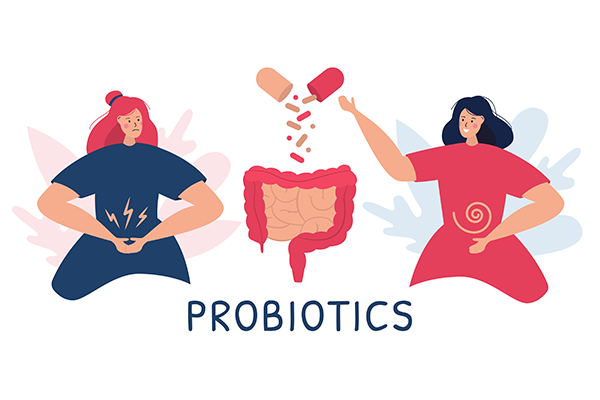
Probiotics are live beneficial bacteria and yeasts that are good for your stomach health, often referred to as "good" bacteria.
-
They can help restore the natural balance of gut bacteria, especially after it's been disrupted by illness or medication.
-
Fermented foods are excellent natural sources of probiotics.
-
Think about including foods like yoghurt, kefir, sauerkraut, kimchi, tempeh, and kombucha in your diet.
-
Regular consumption of these foods can contribute significantly to improving gut health and supporting your immune system.
-
Research indicates that incorporating probiotics can reduce the duration of certain digestive problem symptoms by up to 2 days in some cases.
4. Manage Stress Effectively
-
The gut-brain axis is a complex communication network linking your brain and your digestive system.
-
Stress, anxiety, and even excitement can profoundly impact your digestive health.
-
When you're stressed, your body diverts resources away from digestion, leading to symptoms like indigestion, bloating, and changes in bowel habits.
-
Chronic stress can even alter your gut microbiome, making you more susceptible to a digestive disease.
-
Practising stress-reducing techniques like meditation, yoga, deep breathing exercises, or simply spending time in nature can significantly improve gut health.
-
Making stress management a priority is a key component of how to keep the digestive system healthy.
5. Prioritise Quality Sleep
-
Just like stress, sleep plays a critical role in gut health.
-
Lack of sufficient, quality sleep can disrupt the balance of your gut bacteria and impact your overall digestive health.
-
During sleep, your body repairs and restores itself, and this includes your digestive system.
-
Aim for 7–9 hours of uninterrupted sleep each night.
-
Establishing a consistent sleep schedule and creating a relaxing bedtime routine can dramatically improve both your sleep quality and your stomach health.
-
Studies have shown that improved sleep patterns can lead to a more diverse and healthy gut microbiome within just a few weeks.
6. Limit Processed Foods and Sugar
-
While occasional treats are fine, a diet high in processed foods, refined sugars, and unhealthy fats can negatively impact your gut health.
-
These foods often lack fibre and can feed harmful bacteria, leading to an imbalance in your gut microbiome.
-
This imbalance can contribute to inflammation, a digestive problem, and even increase the risk of certain chronic diseases.
-
Reducing your intake of these foods is a crucial step for improving gut health and maintaining long-term digestive health.
-
Focus on whole, unprocessed foods, and what to take for gut health instead.
Gut Health Tips: Do's and Don'ts
To truly understand how do we keep the digestive system healthy, here's a quick guide:
|
Dos for a Healthy Gut |
|
|
Eat a diverse range of plant-based foods daily. |
Don't consume excessive amounts of processed foods and added sugars. |
|
|
Don't ignore persistent digestive problem symptoms. |
|
Include fermented foods like yoghurt and kefir regularly. |
Don't rely solely on supplements without dietary changes. |
|
|
Don't eat too quickly; give your body time to digest. |
|
|
|
Conclusion
If you are experiencing persistent digestive symptoms or have concerns about your gut health, it's crucial to seek timely medical advice. Book an appointment with our expert gastroenterologist at Manipal Hospitals Delhi NCR today for personalised care and guidance.
FAQ's
The timeline varies for each individual, but significant improvements in digestive health can often be noticed within a few weeks to a few months of consistent dietary and lifestyle changes. Many patients report feeling better within 2–4 weeks when actively working on improving gut health.
Absolutely! The gut-brain axis means your stomach health directly influences your mental well-being. A healthy gut microbiome can produce neurotransmitters like serotonin, often impacting mood positively. Conversely, an imbalanced gut can contribute to feelings of anxiety or depression.
No, different probiotic strains offer different benefits. It's best to consume a variety of probiotic-rich foods. If considering supplements for a specific digestion problem or digestive disease, consult a healthcare professional at Manipal Hospitals for personalised advice.
Common signs include persistent bloating, gas, abdominal pain, constipation, diarrhoea, acid reflux, and even unexplained fatigue, skin issues, or frequent infections. These can all be indicators that your gut health needs attention.
Stress can alter gut motility, increase gut permeability, and change the composition of your gut microbiome, making your stomach health more vulnerable to issues. Managing stress is crucial for maintaining a healthy and resilient digestive system.
Share this article on: