




 6 Min Read
Hormonal pimples are a common yet distressing skin concern that affects adolescents and adults alike, particularly women experiencing menstrual fluctuations, pregnancy or polycystic ovarian syndrome (PCOS). Unlike occasional breakouts, hormonal pimples tend to be persistent, deeper and often painful. If recurring breakouts are interfering with your confidence or daily comfort, early medical guidance is essential. Our gynaecologists in Delhi NCR frequently evaluate underlying hormonal imbalances that contribute to stubborn acne and recommend integrated care for lasting improvement.
Understanding the root cause of hormonal pimples helps determine the right skin pimples treatment and ensures better long-term skin health.
Synopsis
What Are Hormonal Pimples?
Hormonal pimples develop when fluctuations in hormones, particularly androgens, stimulate excess sebum production. Increased oil combines with dead skin cells and bacteria, leading to inflammation and clogged pores. These breakouts commonly appear along the jawline, chin and lower cheeks.
Unlike superficial acne, hormonal pimples are often cystic in nature and may not respond quickly to over-the-counter blackhead treatment or routine skin pimples treatment.
Common Pimples Symptoms
Recognising pimples symptoms early allows timely intervention. Typical signs include:
-
Red, inflamed bumps
-
Deep, tender cysts under the skin
-
Oily skin with enlarged pores
-
Recurring breakouts before menstruation
-
Post-inflammatory hyperpigmentation
Persistent pimples symptoms may signal a hormonal imbalance, especially if accompanied by irregular periods or excessive facial hair.
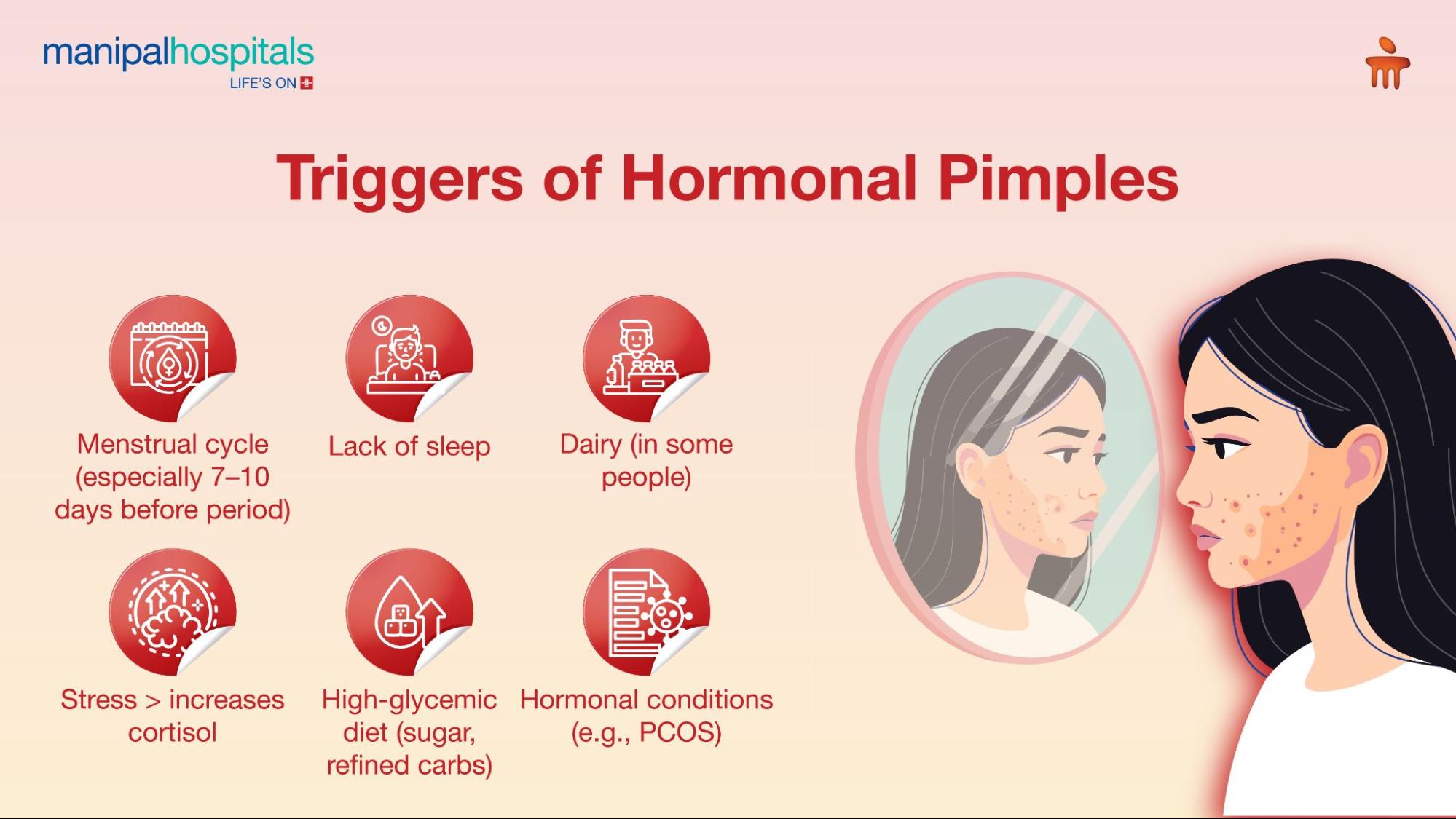
Causes of Hormonal Pimples
Several physiological factors can trigger hormonal pimples:
1. Menstrual Cycle Fluctuations
Oestrogen and progesterone changes before menstruation increase oil production, leading to cyclical pimple symptoms.
2. Polycystic Ovarian Syndrome (PCOS)
PCOS is a common endocrine disorder linked to elevated androgen levels. Women experiencing chronic hormonal pimples should consider evaluation by our gynaecologists in Delhi NCR for a comprehensive assessment.
3. Pregnancy and Postpartum Changes
Hormonal shifts during and after pregnancy may worsen pimple symptoms.
4. Stress
Cortisol, the stress hormone, indirectly increases sebum production, aggravating hormonal pimples.
5. Perimenopause
Hormonal fluctuations during perimenopause can result in late-onset hormonal pimples even in women with no prior acne history.
Identifying the cause guides appropriate skin pimples treatment and ensures targeted care.
Hormonal Pimples vs Other Acne Types
Hormonal pimples differ from blackheads and whiteheads in several ways:
-
They are usually deeper and more painful.
-
They cluster around the lower face.
-
They often worsen cyclically.
While blackhead treatment focuses on unclogging pores, hormonal pimples require a systemic approach that addresses internal triggers.
Hormonal Pimples Treatment Options
Effective management of hormonal pimples combines dermatological care and hormonal evaluation.
1. Topical Therapies
Dermatologists often recommend retinoids, benzoyl peroxide or salicylic acid as part of skin pimples treatment. These reduce inflammation and prevent clogged pores.
2. Oral Medications
In moderate to severe cases, oral antibiotics or hormonal therapies such as combined oral contraceptives may be prescribed. These regulate androgen levels and reduce pimple symptoms.
3. Anti-Androgen Therapy
Medications like spironolactone help reduce androgen activity, making them particularly useful in persistent hormonal pimples.
4. Professional Blackheads Treatment
Comedone extraction and chemical peels complement hormonal therapy by addressing surface congestion.
5. Lifestyle Modifications
Dietary balance, stress management and proper skincare routines enhance the effectiveness of skin pimples treatment.
For patients with irregular cycles or signs of endocrine imbalance, consultation with our gynaecologists in Delhi NCR ensures that underlying causes are managed alongside dermatological care.
Skin Pimples Treatment at Home
While medical guidance is vital, supportive home care enhances recovery from hormonal pimples.
-
Cleanse twice daily with a gentle, non-comedogenic cleanser.
-
Avoid harsh scrubbing that worsens the symptoms.
-
Use oil-free moisturisers.
-
Apply sunscreen daily to prevent pigmentation.
-
Avoid picking or squeezing lesions.
Home care alone may not resolve deep hormonal pimples, but it supports professional skin pimples treatment plans.
Diet and Hormonal Pimples
Emerging evidence suggests a link between high-glycaemic foods and acne severity. Reducing refined sugars and processed carbohydrates may improve pimples symptoms. Some individuals benefit from limiting dairy intake.
Hydration, balanced nutrition and adequate sleep contribute to overall hormonal stability and improve outcomes of blackhead treatment and other acne therapies.
When to Seek Medical Help for Hormonal Pimples
Consider professional evaluation if:
-
Breakouts are painful and cystic
-
Over-the-counter skin pimples treatment fails
-
Pimple symptoms worsen before every menstrual cycle
-
There are signs of PCOS, such as irregular periods or weight gain
Early intervention prevents scarring and long-term pigmentation. Our gynaecologists in Delhi NCR collaborate with dermatology experts to create personalised treatment pathways for women with persistent hormonal pimples.
Preventing Recurrence of Hormonal Pimples
Long-term prevention involves hormonal balance and consistent skincare.
Maintain Hormonal Health
Regular health check-ups help detect endocrine disorders early.
Follow Prescribed Treatment
Complete the full course of recommended skin pimples treatment to prevent relapse.
Manage Stress
Mindfulness practices reduce cortisol fluctuations that worsen pimple symptoms.
Maintain Skincare Consistency
Routine blackhead treatment and gentle exfoliation reduce pore blockage.
By combining medical therapy and preventive strategies, patients can achieve sustained improvement in hormonal pimples.
Conclusion
Hormonal pimples can significantly affect physical comfort and emotional wellbeing. With timely diagnosis, appropriate skin pimples treatment and comprehensive hormonal evaluation, clearer and healthier skin is achievable. Structured medical care from our gynaecologists in Delhi-NCR, combined with preventive strategies, ensures long-term control of pimples symptoms and reduces recurrence.
FAQ's
Common pimples symptoms include deep, painful cysts along the jawline, recurring breakouts before menstruation and oily skin. These signs typically indicate hormonal pimples rather than surface-level acne.
Skin pimples treatment can be highly effective when combined with hormonal evaluation. Topical and oral therapies help control inflammation, but addressing internal triggers ensures lasting results.
Although hormonal pimples are deeper, blackhead treatment may complement overall care by preventing pore congestion and supporting clearer skin.
Mild cases may improve with lifestyle changes and consistent skincare. However, moderate to severe hormonal pimples often require medical therapy for optimal control.
If pimples symptoms are persistent, painful or associated with menstrual irregularities, seek evaluation from qualified specialists. Early care prevents scarring and improves overall hormonal health.
Share this article on:





