




 6 Min Read
A persistently elevated heart rate can be alarming, especially when it occurs without obvious physical exertion. Understanding high heart rate causes is essential for recognising when your body is responding normally and when it may be signalling an underlying health concern. In the first moments of noticing palpitations or a racing pulse, many people worry about long-term cardiac risks. Early evaluation by our cardiologists in Delhi-NCR can help distinguish temporary triggers from serious conditions requiring medical care.
A high heart rate, medically known as tachycardia, refers to a resting heart rate consistently above 100 beats per minute in adults. While occasional increases are normal, persistent elevations warrant closer attention. Knowing what causes a high heart rate can help individuals take timely, preventive action.
Synopsis
- Understanding Normal vs High Heart Rate
- Common High Heart Rate Causes
- Medical Conditions Linked to High Heart Rate
- Can a High Heart Rate Cause a Heart Attack?
- High Heart Rate and Heart Attack Risk
- Diagnosis of High Heart Rate Causes
- Treatment Options for High Heart Rate
- Prevention and Long-Term Heart Health
- When to See a Cardiologist
- Conclusion
Understanding Normal vs High Heart Rate
Before exploring high heart rate causes, it is important to understand what is considered normal. A healthy adult's resting heart rate typically ranges between 60 and 100 beats per minute. Factors such as age, fitness level, stress, and medications can influence this range.
A temporary increase may occur during exercise, emotional stress, fever, or dehydration. However, when the heart rate remains elevated at rest, it raises concerns about the causes of high heart rate that may affect cardiovascular stability.
Common High Heart Rate Causes
Physical and Lifestyle Factors
Many high heart rate causes are linked to everyday habits. Excessive caffeine intake, nicotine use, alcohol consumption, and lack of sleep can overstimulate the heart. Dehydration reduces blood volume, forcing the heart to beat faster to maintain circulation.
Sedentary lifestyles may also contribute, as poor cardiovascular conditioning makes the heart work harder during minimal exertion. These lifestyle-related causes of high heart rate are often reversible with healthy changes.
Stress, Anxiety, and Emotional Triggers
Psychological stress plays a major role in what causes a high heart rate in otherwise healthy individuals. Anxiety activates the sympathetic nervous system, releasing adrenaline and increasing heart rate. Chronic stress can lead to sustained tachycardia, which may strain the heart over time.
Panic attacks, emotional trauma, and prolonged mental pressure are frequently overlooked as high heart rate causes, yet they significantly affect cardiac rhythm.
Medical Conditions Linked to High Heart Rate
Several medical disorders contribute to high heart rate causes that require professional assessment:
-
Anaemia, where reduced oxygen-carrying capacity forces the heart to pump faster
-
Thyroid disorders, especially hyperthyroidism
-
Infections or fever, which increase metabolic demand
-
Low blood pressure triggers compensatory tachycardia
-
Heart rhythm disorders, such as atrial fibrillation and ventricular tachycardia
These causes of high heart rate often persist until the underlying condition is treated.
Certain heart rhythm disorders can be life-threatening. They can happen spontaneously or be triggered by physical activities. When the heart rate reaches high levels, the heart is unable to relax adequately to fill and empty, which leads drop in blood pressure, resulting in a shortfall in cerebral circulation, leading to giddiness, fall or loss of consciousness.
Ventricular Tachycardia is a life-threatening condition. It can occur in all the patients with reduced contractility, either due to a heart attack, heart muscle disorder (Cardiomyopathy), myocarditis, or infiltrative disorders like sarcoidosis. There are hereditary conditions as well, which cause Ventricular Tachycardia.
Atrial fibrillation, atrial flutter and Paroxysmal Supraventricular Tachycardia are common disorders which are less threatening. For all these heart rhythm disorders, Electrophysiology and radiofrequency ablation, medicines or implantable defibrillators are required.
Can a High Heart Rate Cause a Heart Attack?
A common concern among patients is: Can a high heart rate cause a heart attack? On its own, a high heart rate does not automatically result in a heart attack. However, when sustained over long periods, it increases cardiac workload and oxygen demand.
For individuals with coronary artery disease, persistent tachycardia may worsen oxygen imbalance, potentially triggering chest pain or myocardial injury. This is why many ask, can a high pulse rate cause a heart attack, especially in those with existing risk factors such as diabetes, smoking, or hypertension?
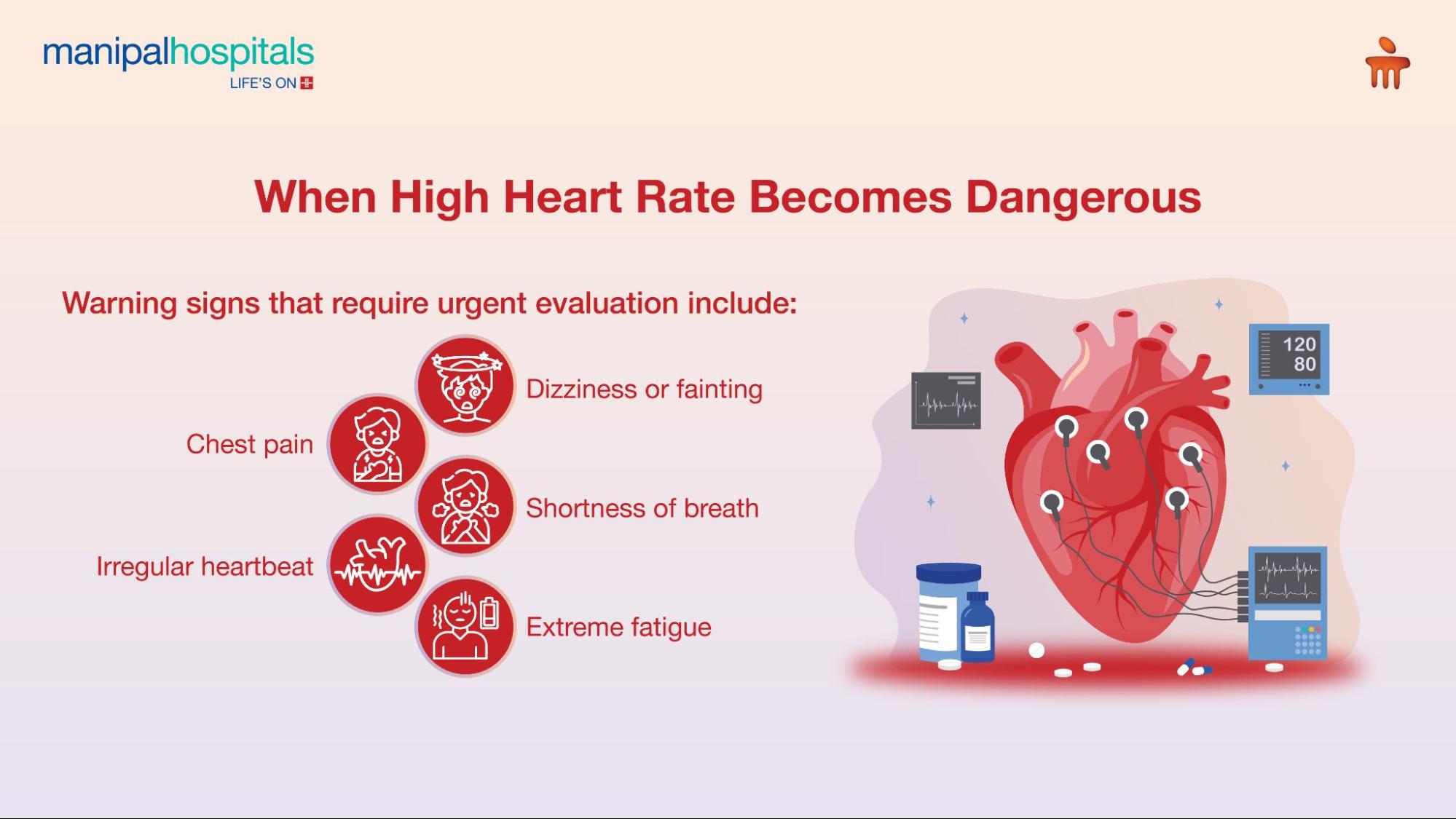
High Heart Rate and Heart Attack Risk
Another frequently raised question is can high pulse rate can cause a heart attack in healthy individuals.
Over time, repeated episodes linked to unmanaged high heart rate causes may contribute to reduced cardiac efficiency. This underscores the importance of early diagnosis and targeted treatment.
Diagnosis of High Heart Rate Causes
Identifying what causes a high heart rate requires a structured evaluation. Doctors assess medical history, lifestyle habits, medications, and family history.
Diagnostic tools may include:
-
Resting and stress ECG
-
Blood tests for thyroid, electrolytes, and haemoglobin
-
Echocardiography
-
Continuous heart rhythm monitoring- Holter/ECG
These assessments help pinpoint causes of high heart rate and guide treatment planning.
Treatment Options for High Heart Rate
Management depends entirely on the underlying high heart rate. Lifestyle-related triggers may be controlled through hydration, stress management, caffeine reduction, and improved sleep. Medical conditions require targeted treatment, such as iron therapy for anaemia or thyroid regulation.
In some cases, medications such as beta-blockers or calcium channel blockers may be prescribed to control heart rate. Advanced rhythm disorders may need specialised interventions under the care of our cardiologists in Delhi-NCR, like EPS, radiofrequency ablation, and implantable defibrillators.
Prevention and Long-Term Heart Health
Preventing recurrent high heart rate causes involves a heart-healthy lifestyle. Regular exercise, balanced nutrition, emotional well-being, and routine health check-ups reduce the likelihood of persistent tachycardia.
Understanding what causes high heart rate empowers individuals to recognise early symptoms and seek timely care, reducing the risk of long-term cardiovascular complications.
When to See a Cardiologist
If your heart rate remains elevated at rest or if you experience symptoms alongside tachycardia, medical consultation is essential. Early intervention helps address high heart rate causes before they progress.
Seeking guidance from our cardiologists in Delhi-NCR ensures accurate diagnosis, evidence-based treatment, and personalised cardiac care.
Conclusion
Understanding high heart rate causes is key to protecting heart health. While many triggers are temporary and manageable, others signal underlying medical conditions that require professional evaluation. Knowing what causes high heart rate, recognising warning signs, and addressing concerns such as how a high heart rate can cause a heart attack, allows individuals to take informed action.
With timely diagnosis and proper management, most causes of high heart rate can be effectively controlled, helping maintain long-term cardiovascular wellbeing.
FAQ's
Stress, dehydration, caffeine, infections, anaemia, thyroid disorders, and heart rhythm abnormalities are common high heart rate causes.
Anxiety, fever, hormonal imbalance, medications, and underlying medical conditions can cause a high heart rate even at rest.
A high heart rate alone does not cause a heart attack, but persistent tachycardia may increase the risk in those with heart disease.
In healthy young adults, it is uncommon. However, untreated medical conditions linked to high pulse rates should be evaluated.
Seek medical advice if tachycardia is persistent, accompanied by chest pain, dizziness, breathlessness, or irregular heartbeat.
Share this article on:





