6 Min Read
Cancer remains one of the leading causes of illness and mortality worldwide, yet outcomes have improved significantly due to advances in cancer screening tests. Early identification of abnormal changes allows treatment to begin before cancer progresses to advanced stages. This is why timely screening is now considered a cornerstone of preventive healthcare. Consulting our oncologists in Delhi-NCR at the right time can help individuals understand which screenings are necessary based on age, gender, and risk factors.
Cancer screening tests are designed to detect cancer or precancerous changes in people who may not yet have symptoms. The goal is not only to save lives but also to reduce the intensity of treatment by diagnosing disease earlier. Understanding when and why these tests matter empowers individuals to take proactive control of their health.
Synopsis
- What Are Cancer Screening Tests?
- Why Early Cancer Screening Is So Important
- Cancer Screening Tests for Females
- Cancer Screening Tests for Males
- Cancer Screening Tests Blood: What Do They Detect?
- Types of Early Cancer Detection Tests
- When Should You Start Cancer Screening Tests?
- Limitations and Risks of Cancer Screening Tests
- The Role of Lifestyle Alongside Screening
- Choosing the Right Specialist for Cancer Screening
- Future of Cancer Screening Tests
- Conclusion
What Are Cancer Screening Tests?
Cancer screening tests are medical investigations used to identify cancer at an early stage or before symptoms appear. They may detect tumours, abnormal cells, or biomarkers that suggest malignancy. In many cases, early-stage cancer is easier to treat and has a significantly higher survival rate.
An early cancer detection test does not diagnose cancer on its own but highlights the need for further evaluation. When used appropriately, early cancer screening reduces cancer-related deaths and improves long-term quality of life.
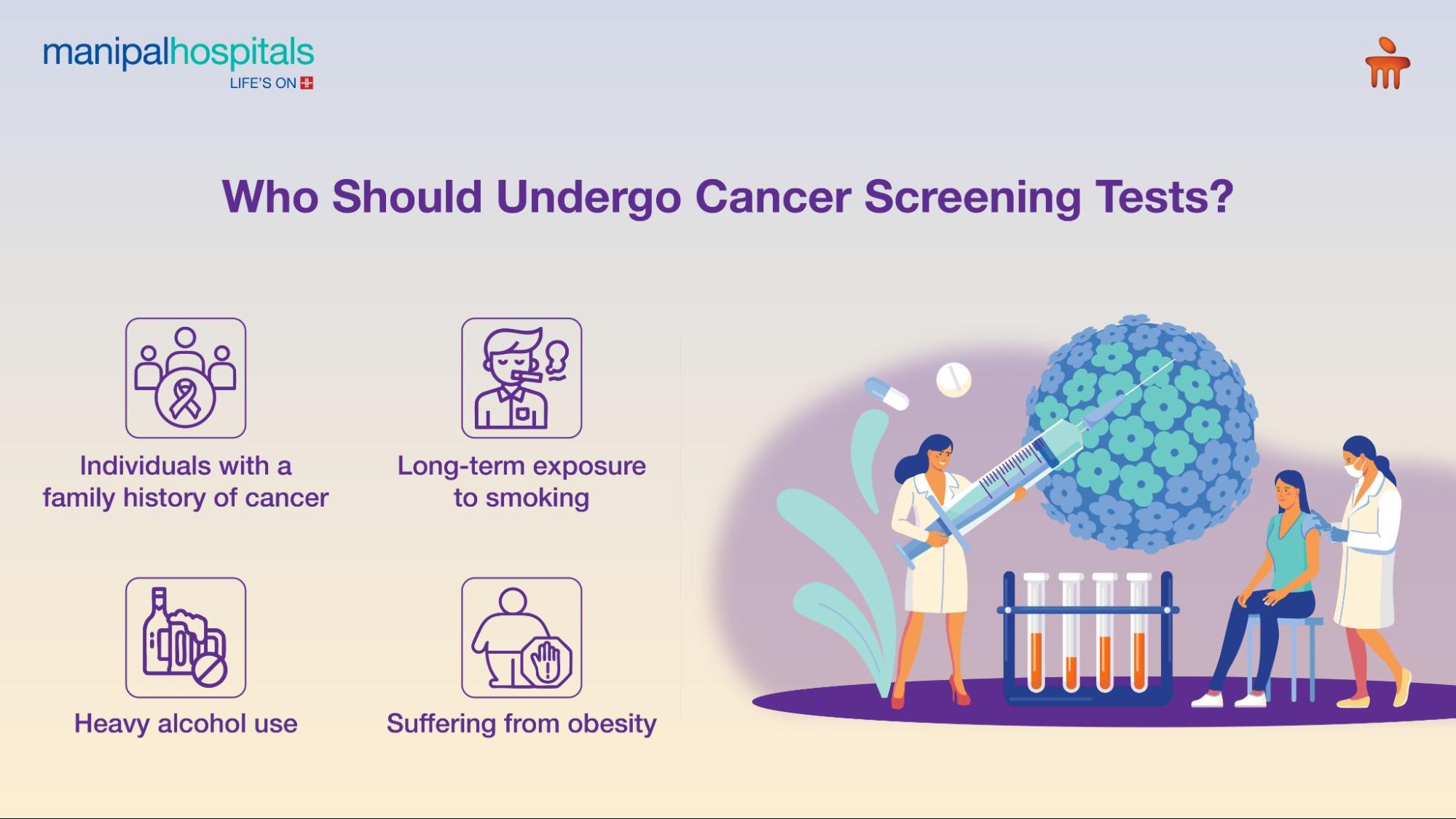
Why Early Cancer Screening Is So Important
The importance of early cancer screening lies in its ability to detect disease before it spreads. Many cancers develop silently, showing symptoms only at advanced stages. Regular cancer screening tests help identify risks early, often before patients feel unwell.
Early detection offers several benefits:
-
Higher chances of successful treatment
-
Less aggressive therapies
-
Reduced healthcare costs
-
Better survival outcomes
This is why public health guidelines strongly encourage cancer screening tests for eligible populations.
Cancer Screening Tests for Females
Cancer screening tests for females focus on cancers that commonly affect women, as well as general screenings recommended for all adults.
Key cancer screening tests for females include:
-
Cervical screening (Pap smear and HPV testing)
-
Breast screening (mammography)
-
Ovarian cancer risk assessment
-
Colorectal screening
-
Blood-based cancer screening tests blood markers when indicated
Routine early cancer screening in women has been proven to reduce mortality, especially for cervical and breast cancers.
Cancer Screening Tests for Males
Similarly, cancer screening tests for males target cancers more prevalent in men while also addressing general cancer risks.
Common cancer screening tests for males include:
-
Prostate-specific antigen (PSA) testing
-
Testicular examinations
-
Colorectal cancer screening
-
Lung cancer screening for high-risk smokers
-
Selected cancer screening tests, blood panels
Understanding the value of early cancer detection test options allows men to seek timely evaluation and avoid late-stage diagnosis.
Cancer Screening Tests Blood: What Do They Detect?
Cancer screening tests blood analysis, specific markers, proteins, or genetic material linked to cancer activity. These tests are minimally invasive and often used alongside imaging or physical examinations.
While cancer screening tests blood, cannot replace standard screenings, they play a valuable role in:
-
Monitoring high-risk individuals
-
Supporting early cancer screening strategies
-
Identifying recurrence in cancer survivors
Blood-based early cancer detection tests are an evolving area of oncology with promising future applications.
Types of Early Cancer Detection Tests
An early cancer detection test may involve different methods depending on the suspected cancer type:
-
Imaging tests (mammography, low-dose CT scans)
-
Endoscopic procedures (colonoscopy)
-
Cytology and biopsy
-
Genetic and molecular testing
-
Blood-based cancer screening tests
These tools work together to improve the accuracy of early cancer screening and guide further diagnostic steps.
When Should You Start Cancer Screening Tests?
There is no universal age to begin all cancer screening tests. Recommendations vary based on cancer type and individual risk. Some screenings start in early adulthood, while others are advised after the age of 40 or 50.
Healthcare professionals assess personal and family history to determine the most appropriate early cancer detection test schedule. Seeking guidance from our oncologists in Delhi-NCR helps ensure that screenings are neither delayed nor unnecessary.
Limitations and Risks of Cancer Screening Tests
While cancer screening tests offer life-saving benefits, they are not without limitations. False positives may cause anxiety, while false negatives may delay diagnosis. Some tests carry minimal procedural risks.
However, when used judiciously, the benefits of early cancer screening far outweigh potential drawbacks. Informed decision-making is key to effective screening.
The Role of Lifestyle Alongside Screening
Although cancer screening tests are essential, they work best when combined with healthy lifestyle choices. Balanced nutrition, regular physical activity, avoiding tobacco, and limiting alcohol reduce cancer risk and improve screening outcomes.
Screening does not prevent cancer but enables early cancer detection test strategies that improve survival.
Choosing the Right Specialist for Cancer Screening
Interpreting screening results requires clinical expertise. Abnormal findings must be evaluated carefully to avoid over- or under-treatment. This is where specialised oncology care becomes critical.
Consulting our oncologists in Delhi-NCR ensures that cancer screening tests are interpreted accurately, follow-up investigations are timely, and patients receive evidence-based guidance.
Future of Cancer Screening Tests
Advancements in molecular diagnostics and artificial intelligence are reshaping early cancer screening. Multi-cancer blood tests and personalised screening protocols are expected to improve accuracy and accessibility.
The future of cancer screening tests lies in detecting multiple cancers through single, minimally invasive procedures, transforming preventive oncology.
Conclusion
Cancer screening tests play a vital role in reducing cancer-related deaths by enabling early detection of cancer. Whether through imaging, blood analysis, or physical examinations, screening empowers individuals to take control of their health.
Understanding cancer screening tests for females, cancer screening tests for males, and the role of cancer screening tests in blood helps individuals make informed decisions. With appropriate guidance from our oncologists in Delhi-NCR, early cancer screening becomes a powerful tool in modern healthcare.
FAQ's
Cancer screening tests are medical investigations used to detect cancer or precancerous changes before symptoms develop.
Early cancer screening improves treatment success, reduces complications, and significantly increases survival rates.
Cancer screening tests on blood are useful for risk assessment and monitoring, but are usually combined with other screening methods.
Yes, cancer screening tests for females and males differ based on cancer risk, anatomy, and hormonal factors.
The frequency depends on age, gender, family history, and individual risk factors, as advised by a healthcare professional.
Share this article on: