7 Min Read
Tuberculosis (TB) is a serious infectious disease which usually affects the lungs, but can attack any part of the body, including the spine, brain, kidneys, and bones. Despite its infectious nature, TB is both preventable and curable. This blog explains everything in detail, highlighting possible tuberculosis causes and symptoms, along with the best available treatment options.
Synopsis
How is Tuberculosis Caused?
One of the principal causes of pulmonary tuberculosis is Mycobacterium tuberculosis. It gets released into the air when an individual with active pulmonary TB coughs, sneezes, sings, or speaks. Not everyone exposed will develop active disease immediately. The body's immune system plays a critical role managing severity of tuberculosis, leading to two main stages:
-
Latent TB Infection: Bacteria are present but inactive, causing no symptoms and no spread. The immune system contains them. However, it may develop into active disease, often due to a weakened immune system.
-
Active TB Disease: Bacteria overcome the immune system, multiply, and cause symptoms. The individual feels ill, becomes contagious (in case of pulmonary TB), and is able to spread bacteria to others. Early diagnosis and treatment are critical in such cases.
Risk Factors of Pulmonary Tuberculosis
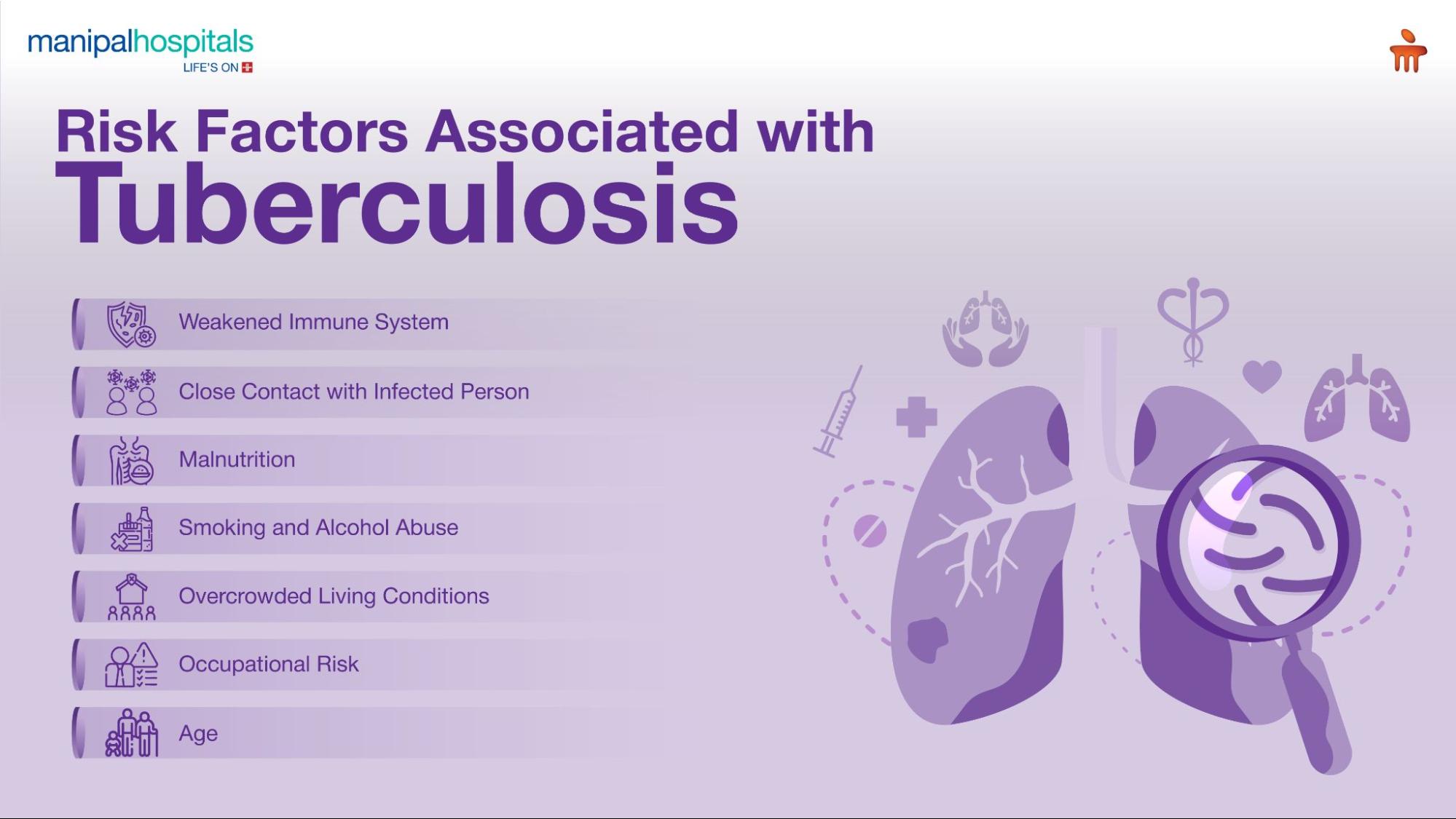
Several factors are responsible for making someone susceptible to developing active Tuberculosis, particularly concerning causes of pulmonary tuberculosis. These weaken the body's defences, allowing dormant bacteria to activate or new infections to progress:
-
Weakened Immune System: This is one of the principal risk factors of tuberculosis. Conditions like HIV/AIDS, diabetes, chronic kidney disease, certain cancers, or immunosuppressive therapies compromise the immune response, making one more susceptible to TB.
-
Close Contact: Prolonged proximity to someone with active pulmonary tuberculosis increases exposure risk.
-
Malnutrition: Poor nutrition weakens the immune system, making one susceptible to infectious diseases, including TB.
-
Smoking and Alcohol Abuse: Both impair lung function and immune response.
-
Overcrowded Living Conditions: Poor ventilation facilitates airborne transmission.
-
Occupational risk: Medical staff and social workers often work closely with patients, which pose an occupational risk due to close patient interaction.
-
Age: Very young children and the elderly often have weaker immune systems, making them susceptible to infection.
Understanding these risk factors is paramount for targeted prevention and screening.
Types of Tuberculosis
TB is categorized into two main types based on the affected body part.
-
Pulmonary Tuberculosis: It is the most common type of tuberculosis which affects the lungs and may spread from one affected person to a healthy person. Rapid diagnosis and treatment are crucial to prevent community spread.
-
Extra-Pulmonary Tuberculosis: This happens when TB-causing bacteria spread from the lungs to other body parts via the bloodstream or lymphatic system. While less common, it can be harder to diagnose due to diverse symptoms. Common sites include lymph nodes, pleura, bones/joints, kidneys, brain (tuberculous meningitis), and the abdomen. It is generally not contagious, except in very rare cases of discharging lesions.
Symptoms of Tuberculosis
Symptoms of Tuberculosis vary depending on its type.
Common Pulmonary TB Symptoms
Pulmonary TB symptoms often develop slowly and include:
-
Persistent cough for three weeks or longer, potentially with phlegm or blood
-
Chest pain or discomfort.
-
General weakness or profound fatigue.
-
Unexplained weight loss and loss of appetite.
-
Low-grade, persistent fever, chills, and night sweats.
When tuberculosis spreads to other parts of the body, it shows symptoms like:
-
Spinal TB: Chronic back pain, stiffness, potential paralysis.
-
Kidney TB: Blood in urine, painful/frequent urination, flank pain.
-
Brain TB (Tuberculous Meningitis): Severe headaches, confusion, neck stiffness, seizures.
-
Lymph Node TB (Scrofula): Painless swollen lymph nodes, often in the neck.
-
Bone TB: Pain, swelling, tenderness in joints or bones.
-
Abdominal TB: Chronic abdominal pain, weight loss, fever, digestive issues.
Tuberculosis Treatment
A bacterial disease like tuberculosis is treated with a combination of antibiotics for a minimum of 6 months, extending to 9-12 months or longer for drug-resistant forms or extra-pulmonary TB. Adherence to the full course is paramount to eradicate bacteria, prevent relapse, and minimize drug resistance. With proper and consistent treatment, most patients make a full recovery.
Care Essentials: Do's and Don'ts for TB Patients and Caregivers
Effective TB management requires a holistic approach:
Do's:
-
Take medication exactly as prescribed: Crucial for treatment success, and to prevent relapse and drug resistance.
-
Attend follow-up appointments: Monitor progress, manage side effects, and adjust treatment as per requirement.
-
Ensure good ventilation: Keep windows open to reduce airborne bacteria.
-
Cover mouth and nose: When coughing/sneezing, use a tissue or cough into your elbow. Wear a mask while travelling.
-
Eat a nutritious diet: Support your immune system and recovery.
-
Inform close contacts: Enable screening for early detection.
Don'ts:
-
Don't stop medication prematurely: Leads to relapse and drug-resistant TB.
-
Don't neglect symptoms: Contact your healthcare provider for new/worsening symptoms or side effects.
-
Don't smoke or consume alcohol: Hinders recovery, weakens immune system and increases risk of liver damage.
Tips to Prevent Tuberculosis
TB prevention combines individual actions with public health initiatives:
-
Childhood Vaccination (BCG): Protects children against severe forms of TB.
-
Early Diagnosis and Treatment: Identifies and treats active TB cases quickly, breaking transmission chains.
-
Infection Control: Measures in healthcare settings to prevent spread.
-
Improving Living Conditions: Reduces overcrowding and improves ventilation to curb airborne transmission.
-
Strengthening Immune System: Healthy lifestyle, nutrition, and managing chronic diseases.
-
Preventive Therapy: For high-risk latent TB patients to prevent active disease.
Conclusion
Tuberculosis is a contagious, airborne bacterial disease which mainly affects the lungs, but can spread to other parts of the body if left untreated. Early detection of symptoms is crucial to receive timely treatment, as that helps in attaining a full recovery while also preventing relapse. At Manipal Hospitals Broadway, our excellent team of pulmonologists uses advanced technology for providing accurate diagnosis and provide customised treatment plans fit for each patient’s individual needs. If you or a loved one is experiencing symptoms of tuberculosis, do not wait! Book an appointment with Manipal Hospitals Broadway for expert care.
FAQ's
No. Only individuals with active pulmonary TB can spread bacteria through the air. Latent TB or extra-pulmonary TB generally cannot spread the disease.
Typically 6 months for drug-susceptible TB, but can extend to 9-12 months or longer for drug-resistant or certain extra-pulmonary forms. Full adherence to your medication course is essential for successful treatment.
Untreated active TB can be fatal, as it will continue to spread and cause severe damage to organs, leading to chronic illness, disability, and even death. But with treatment advancements, TB is no longer a death sentence, and it is possible to make a full recovery and prevent relapse.
Yes, the BCG vaccine is used for infants in high-TB areas, offering protection against severe forms in children, but variable effectiveness against adult pulmonary TB.
No, TB is not spread through casual contact like shaking hands or sharing food. It is airborne and spreads when a person with active pulmonary TB coughs, sneezes, or speaks.
Share this article on: