8 Min Read
Have you ever wondered why a single visit to a clinic can change the course of a pregnancy? Maternal health is not only about surviving pregnancy and childbirth; it is about ensuring that a mother’s physical, mental, and social needs are met before, during, and after pregnancy so she can thrive rather than merely cope. Our focus is on practical action: recognising risks early, using evidence-based pregnancy health tips, and making sure the mother’s health receives the same attention and resources as the baby’s. This blog explains what matters in maternal care, what to watch for, and clear steps families and health systems can take to protect mothers now and in the future.
Synopsis
- Maternal Health Deserves Focus. More Than Ever.
- What Good Maternal Care Looks Like?
- Routine Antenatal Checks
- Nutrition, Activity, and Practical Pregnancy Health Tips
- Mental Health and Social Support
- Warning Signs That Require Immediate Attention
- Address Common Maternal Health Challenges
- Role of The Family and Community
- Mother’s Health: Take Charge of It
Maternal Health Deserves Focus. More Than Ever.
Maternal health outcomes reflect the quality of primary care, emergency services, and social support in a community. When a mother receives timely antenatal visits, appropriate screening, nutritional support, and access to skilled birth attendance, risks to both mother and baby fall significantly. Conversely, gaps in care increase the likelihood of preventable complications such as severe bleeding, infection, hypertensive disorders, and untreated chronic conditions.
Focusing on maternal health is therefore a public health priority that reduces deaths, shortens hospital stays, and improves long-term well-being.
What Good Maternal Care Looks Like?
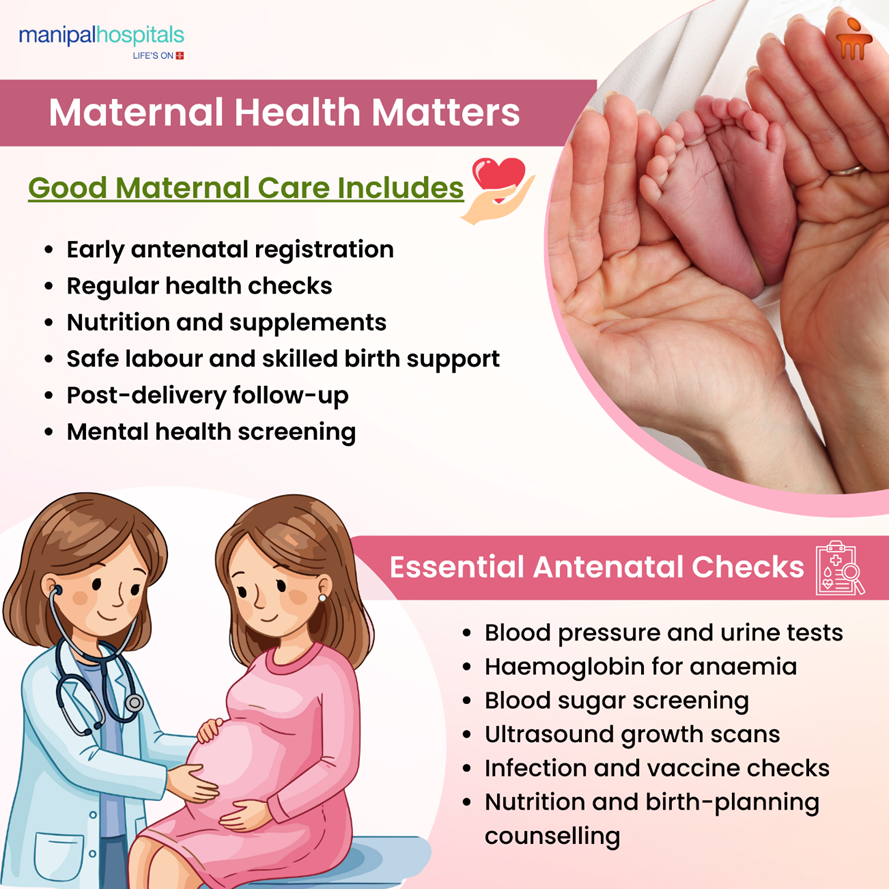
Good maternal care is continuous, patient-centred, and evidence-based. It begins with preconception counselling where possible, continues with regular antenatal visits and appropriate investigations, includes skilled support during labour and delivery, and extends into postpartum follow-up that addresses physical recovery, mental health, and family planning.
A practical set of pregnancy health tips includes starting antenatal care early, taking recommended supplements such as iron and folic acid, maintaining a balanced diet, and attending scheduled screenings for blood pressure, blood sugar, and infections.
Equally important is social support—mothers who have adequate help and clear information use pre- and post-natal services more consistently and recover faster after childbirth.
Routine Antenatal Checks
Routine checks detect risks before they become emergencies. Standard antenatal care should include:
-
Measurement of blood pressure and urine testing to screen for pre-eclampsia and urinary infections
-
Haemoglobin testing to identify and treat anaemia
-
Screening for gestational diabetes and appropriate counselling about sleep and blood sugar, where relevant
-
Ultrasound scans to confirm growth, placental position, and amniotic fluid
-
Counselling on nutrition, vaccines, and birth preparedness
Missing these checks increases the chance that a treatable condition becomes severe. When services are available, regular visits are the single most reliable way to reduce complications.
Nutrition, Activity, and Practical Pregnancy Health Tips
Good maternal nutrition reduces the risk of low birth weight and supports maternal recovery. A balanced approach emphasises adequate calories from nutrient-dense foods, protein to support tissue growth, and micronutrients that prevent deficiency. For many women, that means prioritising iron-rich foods and fortified staples, ensuring adequate calcium and vitamin D where possible, and continuing use of prescribed iron and folic acid supplements. Gentle physical activity, tailored to the pregnancy stage and individual fitness, supports cardiovascular health and reduces discomfort. Hydration, regular small meals if nausea is an issue, and avoiding high-mercury fish or unsafe substances are straightforward and effective pregnancy health tips.
Mental Health and Social Support
Maternal health extends beyond physical checks. Anxiety, depression, and stress are common in pregnancy and can affect birth outcomes and postpartum recovery. Screening for mental health concerns, offering therapy or counseling when needed, and ensuring family support are essential components of comprehensive care. Social determinants such as safe housing, food security, and timely transport to a health facility directly influence a mother’s ability to follow pregnancy health tips and attend appointments, so addressing these barriers is part of practical maternal health work.
Warning Signs That Require Immediate Attention
Some symptoms in pregnancy require urgent evaluation because they indicate serious complications.
|
Warning Sign |
What It May Indicate |
What To Do |
|
Severe or persistent headaches with visual changes |
Pre-eclampsia |
Seek immediate medical assessment; blood pressure check |
|
Vaginal bleeding or passage of tissue |
Miscarriage, placental problems |
Attend emergency care for evaluation and monitoring |
|
Reduced fetal movements after 28 weeks |
Fetal distress or compromised well-being |
Contact your care provider promptly for a fetal assessment |
|
High fever with abdominal pain |
Infections such as chorioamnionitis |
Urgent medical review and likely antibiotics |
|
Rapid swelling of the face or hands, sudden breathlessness |
Severe pre-eclampsia or cardiac issues |
Emergency evaluation and stabilisation |
If any of these signs occur, prompt evaluation reduces the risk of severe outcomes. Do not delay seeking care because symptoms seem intermittent or mild.
Address Common Maternal Health Challenges
Many mothers encounter predictable problems that are manageable with the right plan. Anaemia can be prevented and treated with iron supplements combined with dietary counselling; hypertension in pregnancy is managed with medication and close monitoring and, when severe, requires prompt delivery planning; gestational diabetes is detected early and controlled with diet, activity, and medicines as needed. Effective programmes combine standard protocols with local adaptability so that mothers receive consistent, high-quality care regardless of where they live.
Role of The Family and Community
A mother’s outcomes improve when partners and families understand basic maternal health priorities and support care-seeking. Practical actions include helping arrange transport to clinics, encouraging attendance at antenatal classes, supporting dietary needs, and recognising danger signs. Community health workers who provide education, home visits, and linkage to facilities are often the difference between timely care and preventable delay.
Mother’s Health: Take Charge of It
Maternal health is a measurable set of practices and services that keep mothers well before, during, and after childbirth; it is not an abstract ideal. Each mother can take practical steps that make care effective: plan antenatal visits early, keep records of test results, discuss birth plans with the care team, and speak up about symptoms that concern her. Knowing basic pregnancy health tips, having a prepared bag for delivery, understanding where to go in an emergency, and arranging support for the postpartum period are clear actions that reduce risk.
If you or someone you care for is planning a pregnancy or is currently pregnant, seek timely antenatal care and discuss any concerns with a qualified maternal health expert in Bangalore. For comprehensive maternal services, coordinated obstetric and neonatal care, and support for complex cases, consider consulting the teams at Manipal Hospitals Bangalore, who provide evidence-based maternal health services and dedicated support for mothers and families.
FAQ's
Ideally, antenatal care should begin as soon as pregnancy is suspected so that screening, supplementation, and risk assessment can start early, but beginning at any point in pregnancy brings benefits; timely visits improve detection and management of conditions that affect both mother and baby.
Folic acid before conception and in early pregnancy reduces neural tube defects, and iron supplementation addresses the high risk of anaemia; calcium and vitamin D are commonly recommended depending on dietary intake and local guidelines, and your clinician will advise a regimen tailored to your needs.
Families can support by arranging and accompanying the mother to appointments, preparing nutritious meals, ensuring she rests and remains active as advised, and helping with childcare and household tasks so the mother can prioritise her health.
Yes, mental health is integral to maternal health; screening for anxiety and depression is part of quality antenatal and postnatal care, and referrals for counselling, therapy, or psychiatric treatment are arranged when needed to ensure safe recovery and bonding.
Postpartum follow-up should include wound and bleeding checks, breastfeeding support, assessment for infection and postpartum depression, counselling on contraception, and a scheduled visit to review recovery and the baby’s growth; early neonatal checks and immunisation planning are coordinated with maternal care.
Share this article on: