8 Min Read
As temperatures rise, so does the risk of heat-related illnesses, with hyperthermia being one of the most critical. Understanding hyperthermia symptoms, its causes, and effective prevention strategies is vital for everyone, especially in regions prone to extreme heat. Hyperthermia, or excessive body heat, occurs when your body generates or absorbs more heat than it can dissipate, leading to a dangerous rise in core body temperature. Early recognition and timely intervention can significantly improve outcomes, with studies showing that prompt cooling can increase survival rates for severe heatstroke by over 90%.
Synopsis
Understanding Hyperthermia: More Than Just Feeling Hot
Many people confuse hyperthermia with fever, but they are distinctly different. While both involve an elevated body temperature, fever is a regulated increase set by the hypothalamus in response to infection or inflammation. Hyperthermia, on the other hand, is an unregulated rise in body temperature due to the body's inability to cope with external heat or excessive internal heat production, overriding its natural cooling mechanisms.
This can lead to serious health complications if not addressed promptly, affecting various organs and systems.
So, what is hyperthermia? It's a spectrum of heat-related conditions ranging from mild heat cramps to life-threatening heatstroke, where the body's core temperature can soar above 40°C (104°F). This condition demands immediate attention to prevent severe organ damage or even death.
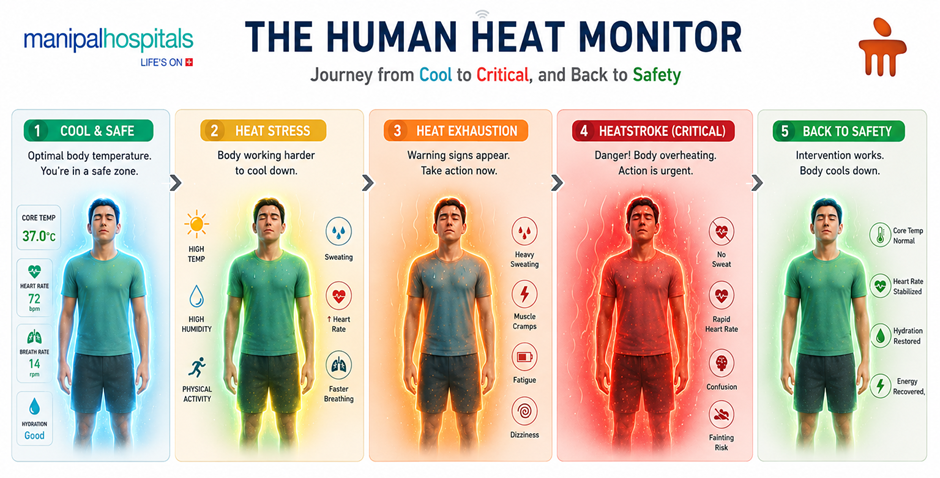
Recognizing the Signs: Hyperthermia Symptoms
Identifying hyperthermia symptoms early is crucial. These symptoms can vary depending on the severity of the heat stress. Understanding the progression can help you respond appropriately.
Heat Cramps: These are the mildest form of heat illness and often the first warning sign of excessive heat in body.
-
Muscle pain or spasms, typically in the abdomen, arms, or legs
-
Heavy sweating
-
Fatigue
Heat Exhaustion: A more severe condition where the body starts to struggle with heat dissipation. These internal body heat symptoms indicate a need for immediate action.
-
Profuse sweating, often cold, pale, and clammy skin
-
Headache, dizziness, or lightheadedness
-
Nausea, vomiting, or diarrhoea
-
Weakness and fatigue
-
Rapid, weak pulse
-
Muscle cramps
-
Slightly elevated body temperature (usually below 40°C or 104°F)
-
Fainting (syncope)
Heatstroke: This is the most severe and life-threatening form of hyperthermia, requiring emergency medical attention. It occurs when the body's temperature regulation system fails entirely, leading to dangerously high body temperatures. Recognising these body overheating symptoms immediately is paramount.
-
Body temperature of 40°C (104°F) or higher
-
Hot, red, and often dry skin (though sweating may still be present in exertional heatstroke)
-
Rapid, strong pulse
-
Throbbing headache
-
Confusion, disorientation, agitation, or slurred speech
-
Seizures
-
Unconsciousness
-
Loss of sweating (in classic non-exertional heatstroke)
Causes of Hyperthermia
Several factors contribute to the causes of hyperthermia, leading to the body's inability to maintain a normal core temperature. These can be broadly categorized into environmental and physiological factors.
Environmental Factors:
-
High Ambient Temperature: Prolonged exposure to hot weather, especially with high humidity, is the primary cause.
-
Intense Physical Activity: Exercising strenuously in hot conditions generates significant internal heat that the body struggles to release.
-
Inadequate Ventilation: Working or living in poorly ventilated areas where heat cannot escape easily.
-
Wearing Excessive Clothing: Trapping body heat, preventing natural cooling.
Physiological Factors & Risk Groups:
-
Dehydration: Insufficient fluid intake reduces the body's ability to sweat, a key cooling mechanism.
-
Age: Infants and young children have less developed thermoregulatory systems, while older adults may have chronic conditions or medications that impair their ability to regulate temperature.
-
Certain Medications: Diuretics, antihistamines, sedatives, and some psychiatric medications can interfere with the body's temperature regulation or hydration levels.
-
Chronic Health Conditions: Heart disease, kidney disease, diabetes, and obesity can increase susceptibility.
-
Alcohol Consumption: Alcohol can lead to dehydration and interfere with the body's ability to regulate temperature.
Hyperthermia Prevention: Staying Safe in the Heat
Preventing excessive body heat is far easier and safer than treating its effects. Effective hyperthermia prevention strategies can dramatically reduce your risk. In fact, studies suggest that adopting simple preventive measures can reduce the incidence of heat-related illnesses by as much as 75 to 80%.
-
Stay Hydrated: Drink plenty of fluids, especially water, even if you don't feel thirsty. Avoid sugary drinks, alcohol, and excessive caffeine, as they can contribute to dehydration.
-
Limit Outdoor Activity During Peak Heat: Schedule strenuous outdoor activities for cooler parts of the day, such as early morning or late evening.
-
Dress Appropriately: Wear loose-fitting, lightweight, light-colored clothing. Hats and sunglasses can also offer protection.
-
Seek Cool Environments: Spend time in air-conditioned spaces, or use fans and take cool showers or baths.
-
Listen to Your Body: If you start experiencing internal body heat symptoms like fatigue, dizziness, or excessive sweating, stop your activity, rest in a cool place, and rehydrate.
-
Never Leave Anyone in a Parked Car: Temperatures inside a parked car can rise rapidly to dangerous levels, even on a seemingly mild day.
-
Acclimatisation: If you must work or exercise in the heat, gradually increase your exposure time and intensity over several days or weeks to allow your body to adapt.
When to Seek Help: Hyperthermia Treatment
The moment you suspect severe hyperthermia symptoms, especially those indicative of heatstroke, immediate action is crucial. While some initial steps can be taken, severe cases require professional medical attention. With timely and appropriate medical intervention, the survival rate for heatstroke significantly increases, reaching over 95% in treated cases.
If someone is experiencing symptoms of heatstroke (e.g., confusion, unconsciousness, hot dry skin, or a very high body temperature), call for emergency medical help immediately. While waiting for help, move the person to a cooler place and begin active cooling measures. For urgent care, you can visit emergency medicine doctors in Bangalore for immediate medical evaluation and treatment.
Immediate Steps: Hyperthermia Treatment at Home (First Aid)
For milder cases of heat exhaustion, or while waiting for medical help for heatstroke, here's how to reduce body heat immediately:
For Heat Exhaustion:
-
Move to a Cooler Place: Get the person out of the sun and into an air-conditioned room or the shade.
-
Lie Down and Elevate Legs: This helps improve blood flow to the brain.
-
Loosen Clothing: Remove any tight or unnecessary clothing.
-
Cool the Body:
-
Apply cool, wet cloths or ice packs to the armpits, groin, neck, and back. Take a cool bath or shower if possible.
-
Use a fan to help evaporate sweat and cool the skin.
-
Hydrate: Sip cool water or a sports drink containing electrolytes. Avoid plain water if large amounts are consumed quickly, as it can dilute electrolytes.
-
If symptoms worsen or do not improve within an hour, seek medical attention.
Conclusion
In essence, recognising what is hyperthermia, an uncontrolled rise in body temperature, is vital. Early identification of hyperthermia symptoms, from subtle internal body heat symptoms and signs of excessive heat in the body to critical body overheating symptoms, can prevent severe complications. While knowing home remedies to reduce body heat immediately is beneficial for milder cases, prompt medical evaluation for severe excessive body heat is paramount. Visit Manipal Hospitals Bangalore for specialised services for hyperthermia treatment in Bangalore, ensuring comprehensive care.
FAQ's
Hyperthermia is an unregulated increase in core body temperature when the body generates or absorbs more heat than it can dissipate. Unlike a fever, hyperthermia is a dangerous overheating due to external factors or the body's inability to cool itself, potentially leading to organ damage.
Hyperthermia symptoms range from mild to severe. Initial signs include heat cramps (muscle pain, heavy sweating) and heat exhaustion (profuse sweating, headache, nausea, dizziness, weakness, and rapid pulse). The most severe form, heatstroke, presents with a body temperature of 40°C (104°F) or higher, hot/dry or sweating skin, confusion, seizures, and unconsciousness.
The causes of hyperthermia are typically environmental and physiological. Environmental factors include high ambient temperatures, intense physical activity in the heat, inadequate ventilation, and excessive clothing. Physiological factors involve dehydration, age (infants/elderly), certain medications, chronic health conditions (e.g., heart disease, diabetes), and alcohol consumption.
Effective hyperthermia prevention involves staying hydrated by drinking plenty of water, limiting outdoor activities during peak heat, wearing loose-fitting and light-colored clothing, seeking cool environments, and never leaving anyone in a parked car.
If you suspect heat exhaustion, move the person to a cooler place, loosen clothing, apply cool cloths, and offer sips of water or a sports drink. For suspected heatstroke or severe hyperthermia symptoms, call medical help immediately and move the person to a cooler place for cooling measures.
Share this article on: