




 5 Min Read
In our fast-paced lives, we often tend to overlook something as fundamental as our health until symptoms demand attention. However, adopting a proactive approach through regular check-up is not just beneficial; it is a critical investment in your long-term well-being. Your body requires periodic assessments to ensure optimal function and detect potential issues before they escalate. These comprehensive health assessments can offer invaluable insights into the current health status and empower us to take preventative measures.
Synopsis
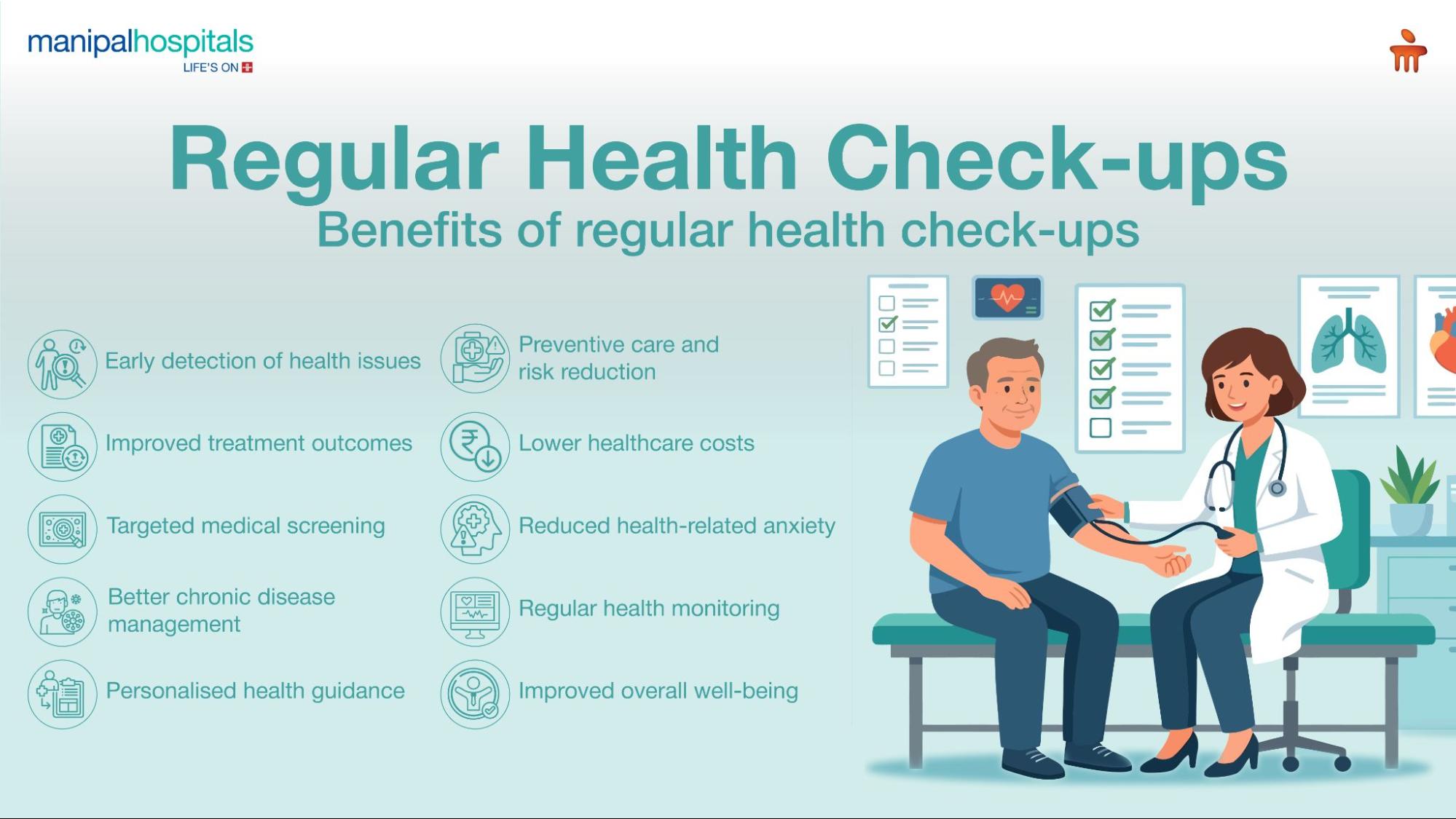
Benefits of Regular Health Check-ups
A routine health check-up is not just a doctor's visit; it is a strategic move taken towards a healthier future. It is absolutely indispensable for:
-
Catching issues before they grow – Regular health check-ups are instrumental in identifying health problems in their initial stages. For instance, high blood pressure or elevated blood sugar levels can be detected early, often before any symptoms appear. Early detection can dramatically improve the success rate of treatment. Statistics show that for many cancers, a diagnosis at an early localised stage can potentially lead to a 90% or higher survival rate over five years.
-
Targeted medical screening – These check-ups often include different types of screening tests tailored to the patient’s age, gender, and risk factors. A timely screening for conditions like diabetes, heart disease, and certain cancers can be life-saving.
-
Proactive health management – Regular visits help your doctor to assess your risk factors for various chronic diseases. Based on the findings from your routine check-up, lifestyle modifications, vaccinations, or preventive medications can be recommended. For example, consistent monitoring can help prevent conditions like type 2 diabetes and cardiovascular diseases, significantly reducing the likelihood of future complications.
-
Monitoring chronic conditions – If you have an existing chronic condition, regular check-ups are important for monitoring its progression, adjusting treatment plans, and preventing exacerbations. This continuous oversight is key to effective disease management.
Personalised Health Plan Development
A well-structured personalised health plan begins with understanding your unique needs and making informed, proactive choices for long-term well-being.
-
Guidance on lifestyle – Your physician can provide you with personalised advice on diet, exercise, and stress management to help you make informed choices that can positively impact your health. Studies indicate that patients who engage in regular preventive care have up to 40% fewer emergency room visits.
-
Tailored recommendations – Every individual is unique. A routine check-up can create a detailed picture of your health, allowing for the development of a highly personalised health plan. This plan is designed considering your medical history, family history, lifestyle, and specific health goals.
Other Benefits
Beyond improving health, a routine check-up also provides important financial and emotional benefits.
-
Avoiding costly treatments – While there is an initial cost associated with a routine check-up, it often translates into significant savings in the long run. Detecting diseases early means less invasive and less expensive treatments, avoiding the exorbitant costs associated with advanced-stage illnesses, surgeries, and prolonged hospital stays. Studies suggest preventive care can reduce healthcare costs by 25% over a decade for individuals.
-
Reduced anxiety – Being aware of your health status can significantly reduce health-related anxiety. Knowing that you are healthy or catching a problem early with a clear plan can bring great peace of mind. Routine check-ups help you stay on track.
Key Considerations
To make the most of your routine check-up, a few essential guidelines can be of help:
-
Bring a list of all medications, supplements, and vitamins you are currently taking.
-
Write down any symptoms, concerns, or questions you have before your appointment.
-
Be honest with your doctor about your lifestyle habits (diet, exercise, smoking, alcohol).
-
Ask about the different types of screening tests that are recommended considering your age and family history.
-
Avoid skipping your appointments, even if you feel perfectly healthy.
-
Do not hesitate to voice any discomfort or concerns, no matter how minor they seem.
-
Never try to self-diagnose based on internet searches; always consult a professional after your medical screening.
-
Do not forget to follow up on the recommended medical screening test or specialist referral.
Conclusion
Regular health check-ups are a cornerstone of preventive healthcare, enabling early detection, informed decision-making, and effective management of potential risks. By prioritising routine assessments, you not only safeguard your physical health but also gain peace of mind and long-term financial benefits. Taking a proactive approach today can lead to a healthier, more secure tomorrow. At Manipal Hospitals, we believe in empowering you to live a healthier, fuller life, and the cornerstone of this philosophy is the consistent practice of a routine check-up. Whether you are noticing any concerning symptoms or aiming to take a proactive approach to your well-being, consult our expert physician at Manipal Hospitals Siliguri for careful recommendations of appropriate medical screening test protocols and timely medical guidance.
FAQ's
For most healthy adults, an annual routine check up is recommended. However, your doctor may suggest more frequent visits based on your age, health status, and risk factors.
A standard medical screening often includes a physical exam, blood pressure check, blood tests (like cholesterol and blood sugar), and sometimes urine analysis. Depending on your profile, your doctor may recommend different types of screening tests, such as mammograms, Pap tests, or colonoscopies.
Most medical screening tests are minimally invasive and cause little to no discomfort. Blood draws might involve a brief pinch, but more complex screenings are often conducted with your comfort in mind.
Yes, by detecting risk factors and early signs of disease, a routine check-up allows for timely interventions and lifestyle changes that can significantly prevent the onset or progression of many serious illnesses.
Bring your identification, insurance information, a list of current medications and supplements, and any questions or concerns you have about your health. It also helps to know your family medical history.
Share this article on:





