5 Min Read
One of the greatest aspirations for any parent is to see their children thrive. This becomes possible through their optimal growth and development, which is intrinsically linked to the nutrition they receive. Providing healthy food for kids is not just about filling their stomachs; it is about building a foundation for a lifetime of well-being. This blog offers insights into the concept of child nutrition to ensure your little ones grow up strong, healthy, and full of potential.
Synopsis
The building blocks of healthy growth
Children keep growing at a constant rate. So, their bodies require a steady supply of specific nutrients to support this rapid development. A healthy diet for children should essentially be rich in macro and micronutrients, because each plays a crucial role in their overall growth.
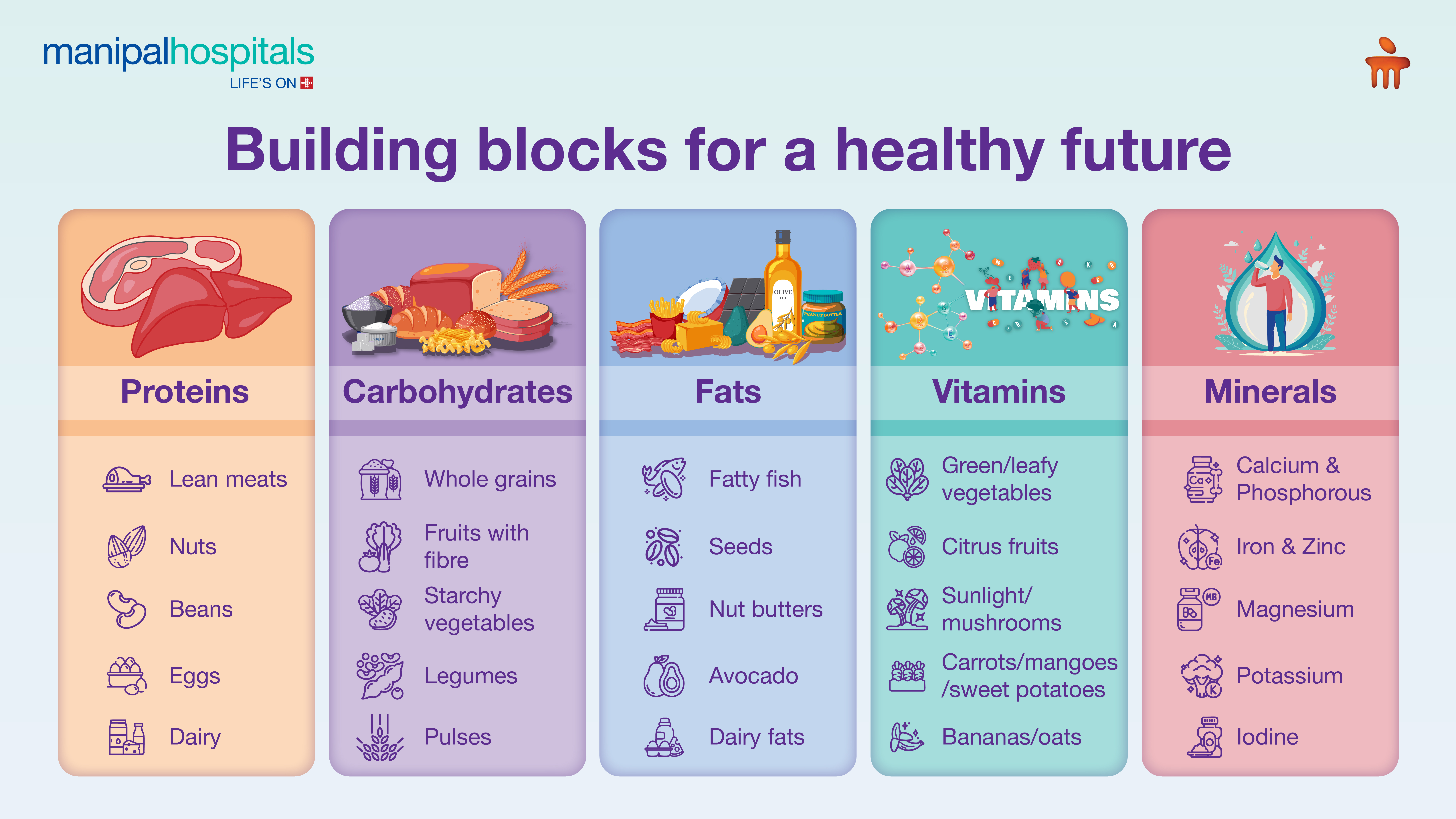
These nutrients include:
-
Proteins- Essential for building and repairing tissues, muscles, and organs. Some sources of protein are lean meats, eggs, dairy, beans, and nuts.
-
Carbohydrates- The primary source of energy for their active bodies and developing brains. One must choose complex carbs like whole grains, fruits, and vegetables over simple sugars.
-
Healthy fats- Crucial for brain development, hormone production, and nutrient absorption. Avocados, nuts, seeds, and fatty fish are excellent choices, providing healthy fats.
-
Vitamins and minerals- These regulate countless bodily functions, such as calcium for strong bones, iron for blood health, and vitamin C for immunity. A diverse intake of fruits and vegetables ensures a broad spectrum.
The impact of nutrition
Child nutrition has a profound connection with their overall development. Well-nourished children are not only physically healthier but also perform better in various aspects of life. Studies indicate that children who follow a balanced and healthy diet experience up to 40% lesser sick days, allowing them to enjoy more consistent schooling and play. Furthermore, a proper and healthy diet for children is crucial as 80% of brain development occurs by age three, directly influencing the cognitive abilities of a child. It is seen that children consuming a diet rich in essential nutrients often demonstrate up to 20% better academic performance and better concentration levels. This, in turn, equips them for a brighter future.
Healthy diet chart for kids
Crafting a practical diet chart for kids that is not only healthy but wholesome as well calls for balance, variety, and consistency. The goal is to make the food healthy, appealing and accessible for kids. Here’s how to approach it:
-
Balanced meals- Each meal should include a source of protein, complex carbohydrates, healthy fats, and plenty of fruits or vegetables.
-
Portion control- Appetites vary for each child, so focusing on age-appropriate portions rather than adult-sized servings is important.
-
Variety is key- Introducing a wide range of foods to ensure they get all necessary nutrients and prevent pickiness is crucial. Including a variety of colours, textures, and flavours can change the game.
-
Regular snacking- Healthy snacks between meals can help maintain energy levels and provide additional nutrients. Fruit, yoghurt, nuts, or vegetable sticks can provide healthy snacking options.
-
Hydration- Water is often overlooked but vital. It is extremely important to encourage water consumption throughout the day and limit sugary drinks.
Care essentials for child nutrition
Guiding your child towards identifying healthy food choices should be the primary goal for every parent. This involves more than just food choices; it is about establishing positive eating habits as well.
|
Practice to: |
Avoid to: |
|
Be a role model- Children learn by example. Eat healthy food for kids yourself. |
Force-feed- This can create negative associations with food and mealtimes. |
|
Involve them- Let children help with meal planning and preparation to foster interest in child nutrition. |
Use food as a reward/punishment- This can lead to emotional eating habits. |
|
Offer choices- Provide healthy options and let them choose, giving them a sense of control. |
Ban foods entirely- Strict bans can lead to cravings and overeating. Moderation is better. |
|
Make it fun- Create colourful plates, cut food into fun shapes, or give foods playful names. |
Compare to others- Every child’s eating habits and growth are unique. |
|
Be patient- It can take multiple exposures for a child to accept a new food. |
Overlook breakfast- It's the most important meal for energy and concentration. |
Conclusion
Proper child nutrition provides the essential vitamins, minerals, and energy needed for healthy physical growth, brain development, and strong immunity. A balanced diet in early years lays the foundation for lifelong health, learning ability, and overall well-being. At Manipal Hospitals, we are dedicated to empowering parents with the knowledge and support needed to raise healthy children. By focusing on healthy food for kids and a well-structured diet chart for kids, you can invest in their future health and happiness. If you have concerns about your child's nutrition or growth, it is crucial to seek timely professional advice. Consult our experts in the paediatric and childcare department at Manipal Hospitals Siliguri today and discover the secret to your child’s healthy future.
FAQ's
Offer new foods to your kid repeatedly without pressure, pair them with familiar favourites, and involve your child in cooking. Making mealtime a positive experience is key to child nutrition.
Signs of nutrient deficiencies can vary but may include fatigue, stunted growth, frequent infections, brittle hair or nails, and poor concentration. Consult a paediatrician if you notice these.
Yes, moderation is important. Occasional treats can be an essential part of a balanced, healthy diet for children. The focus should be on overall dietary patterns rather than strict bans.
The ideal quantity of water consumption varies by age, activity level, and climate. Generally, toddlers need 1-4 cups, and older children 5-8 cups per day, but individual needs differ.
Yes, these diets can be healthy for children if well-planned and include sufficient essential nutrients like iron, B12, calcium, and Vitamin D. Consulting a dietitian for a diet chart for kids is highly recommended.
Share this article on: