5 Min Read
Chemotherapy, a cornerstone in cancer care, has evolved significantly over the years. It offers hope and effective treatment for many battling the dreaded disease. Coming across a diagnosis that requires chemotherapy can bring a wave of emotions and questions. This guide aims to demystify chemotherapy treatment, explaining what it entails, how long it lasts, and what you can expect.
Synopsis
Understanding ‘Chemotherapy’
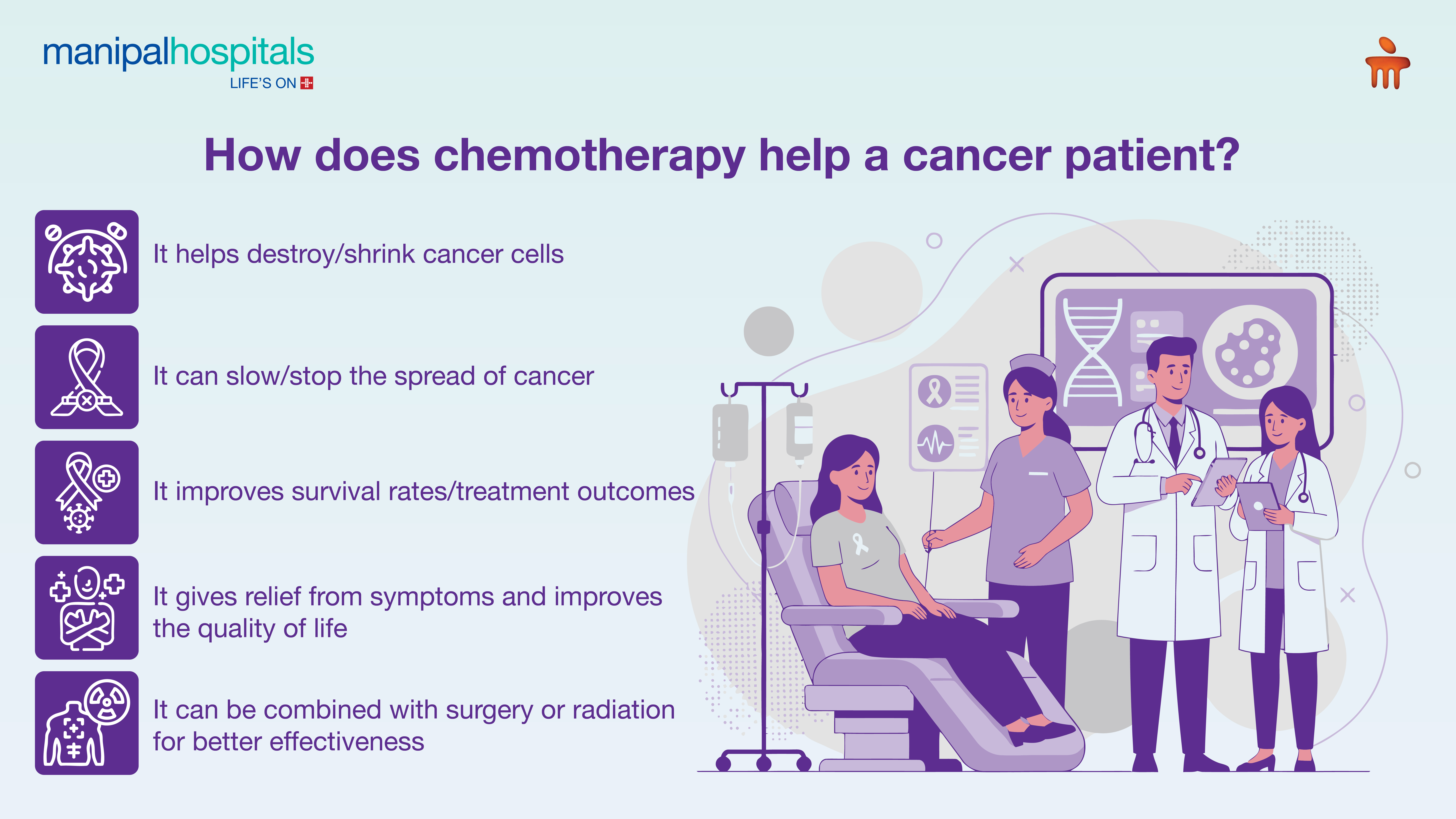
Chemotherapy treatment involves the use of powerful medications that destroy fast-growing cancer cells in the body. Its primary goal is to cure cancer, control its growth, or alleviate symptoms, thereby improving the patient's quality of life. These medications can be administered in different ways, targeting cancerous cells while minimising harm to healthy tissues. It is a highly individualised treatment, which is meticulously planned by a team of oncologists depending on the type of cancer, its stage, and the patient's overall health.
Chemotherapy: What to expect?
The chemotherapy procedure is a carefully organised process. Once the dedicated medical team determines chemotherapy as the best course of action for a specific patient, a detailed treatment plan is designed. Here is a general overview of what one can expect:
-
Preparation- Prior to each session, blood tests are conducted to ensure the patient’s body is ready for the dose. The patient might receive anti-nausea medication or other supportive care to prepare.
-
Administration- Chemotherapy drugs are mostly given through IV (intravenous), where they are injected into a vein in the arm or a central line (a device placed under the skin, often in the chest). Some chemotherapy can also be taken orally as pills or administered directly into specific body cavities.
-
During the session- Each chemotherapy session can range from a few minutes to several hours. The patient typically remains in a comfortable setting, monitored by the nursing staff.
-
Post-session care- After the infusion, the patient is given necessary instructions on potential side effects and their management at home.
Chemotherapy: Duration
‘How long does chemotherapy last?’ is a common question that anxious patients ask. The answer may vary significantly for each individual.
Chemotherapy is typically given in cycles, which means a period of treatment followed by a period of rest to allow the body to recover. These cycles can range from one to four weeks each. Some patients might undergo 4 to 6 cycles over several months, while others may have longer or shorter courses. The total duration of chemotherapy depends on:
-
The type and stage of cancer
-
The specific drugs being used
-
How the body responds to the treatment
-
The goal of the treatment (cure, control, or symptom relief)
Chemotherapy: Managing side effects
It is natural to be concerned about the side effects of chemotherapy. These occur because chemotherapy drugs can also affect healthy, fast-growing cells in the body. But with advances in supportive care, most side effects can now be effectively managed, helping patients maintain their quality of life during treatment. Common side effects may include:
-
Fatigue
-
Nausea and vomiting
-
Hair loss
-
Mouth sores
-
Increased risk of infection
Chemotherapy: Care essentials
Undergoing chemotherapy requires careful attention to your well-being. Some essential care to be taken includes:
|
What you should do |
What you should not do |
|
Follow your medical team's instructions diligently, including medication schedules |
Skip appointments or chemotherapy sessions without consulting your doctor. |
|
Maintain good hydration by drinking plenty of fluids |
Take any new medications or supplements without discussing them with your oncologist |
|
Eat a balanced diet, even if your appetite is low. Small, frequent meals can help |
Ignore symptoms, no matter how minor they seem |
|
Get adequate rest and incorporate light exercise if you feel up to it |
Overexert yourself or engage in strenuous activities that deplete your energy |
|
Communicate any new or worsening symptoms to your care team promptly |
Be afraid to ask for help from your loved ones or your medical team |
|
Seek emotional support from family, friends, or support groups |
Isolate yourself or withdraw from social interactions |
Conclusion
Chemotherapy is a powerful treatment that helps destroy cancer cells and control their spread. With modern supportive care, many patients can manage side effects and continue treatment effectively. If you or a loved one is facing a cancer diagnosis, consult our specialist at Manipal Hospitals Siliguri today to understand your treatment options and take the first step toward recovery.
At Manipal Hospitals, our multidisciplinary oncology team provides compassionate, patient-centric cancer care using advanced technology and evidence-based treatments. With over 90% patient satisfaction and strong support for managing side effects, we focus on both effective treatment and overall well-being.
FAQ's
The administration of chemotherapy itself is generally not painful, though you might feel a brief prick during the IV insertion. Some side effects, like mouth sores or nerve pain, can cause discomfort, but these are manageable with appropriate supportive care.
Many people continue to work during chemotherapy, especially if their job is not physically demanding or if they can work remotely. It depends on the type of chemotherapy, the side effects experienced, and your energy levels.
Yes, in most cases, hair loss from chemotherapy is temporary. Hair typically starts to grow back a few weeks to months after the treatment concludes, though it might have a different texture or colour initially.
A balanced, nutritious diet is crucial. Focus on lean proteins, fruits, vegetables, and whole grains. Avoid raw or undercooked foods to prevent infections. Your dietitian at Manipal Hospitals can provide personalized dietary advice.
Chemotherapy is an effective cancer treatment used alone or with surgery and radiation. Its success depends on the cancer type, stage, and patient factors, but it has significantly improved survival rates and quality of life for many patients.
Share this article on: