7 Min Read
Do simple acts of climbing stairs, carrying groceries, or even a brisk walk leave you gasping for air? Do you experience significant shortness of breath often? This uncomfortable feeling of breathlessness on exertion is often dismissed as a sign of poor physical conditioning, but it can indicate underlying health concerns involving your heart, lungs, or fitness level. This blog helps you delve into the complex causes of breathlessness on exertion and understand these factors better to seek expert medical advice at the right time.
Synopsis
Understanding breathlessness on exertion
Experiencing breathlessness on exertion is medically termed ‘dyspnea’. It causes the uncomfortable sensation of struggling to catch your breath during physical activity. While it is a normal physiological response to vigorous exercise, persistent or disproportionate shortness of breath during daily tasks like climbing a flight of stairs calls for a closer investigation. Identifying whether the issue stems from a cardiac problem, a respiratory cause or is related to your overall physical fitness is a crucial step towards appropriate diagnosis and effective management.
The role of heart
When your heart, the body's primary pump machine, struggles to deliver oxygen-rich blood efficiently to your muscles and organs, you might experience a pronounced feeling of breathlessness on exertion. Key cardiac causes behind this may include:
-
Heart failure- This condition occurs when the heart muscle becomes too weak or stiff to pump blood adequately. This impaired pumping often leads to fluid accumulation in the lungs (pulmonary congestion), which in turn causes significant breathlessness on exertion, even at rest in severe cases.
-
Coronary Artery Disease (CAD)- Blocked or narrowed arteries lead to a reduced blood flow to the heart muscle, forcing the heart to work harder. This leads to symptoms like shortness of breath and chest pain (angina) during activity.
-
Valvular Heart Disease- Issues with the heart's valves can disrupt the blood flow within the heart and to the rest of the body. This results in an increased workload on the heart muscle, causing breathlessness on exertion as the body struggles for oxygen.
-
Arrhythmias- Irregular heart rhythms can compromise the heart's ability to pump oxygenated blood effectively and consistently. This inefficiency contributes to `shortness of breath` and fatigue.
The lungs' influence
Conditions affecting oxygen exchange in the lungs also contribute to `breathlessness on exertion`. Common respiratory causes include:
-
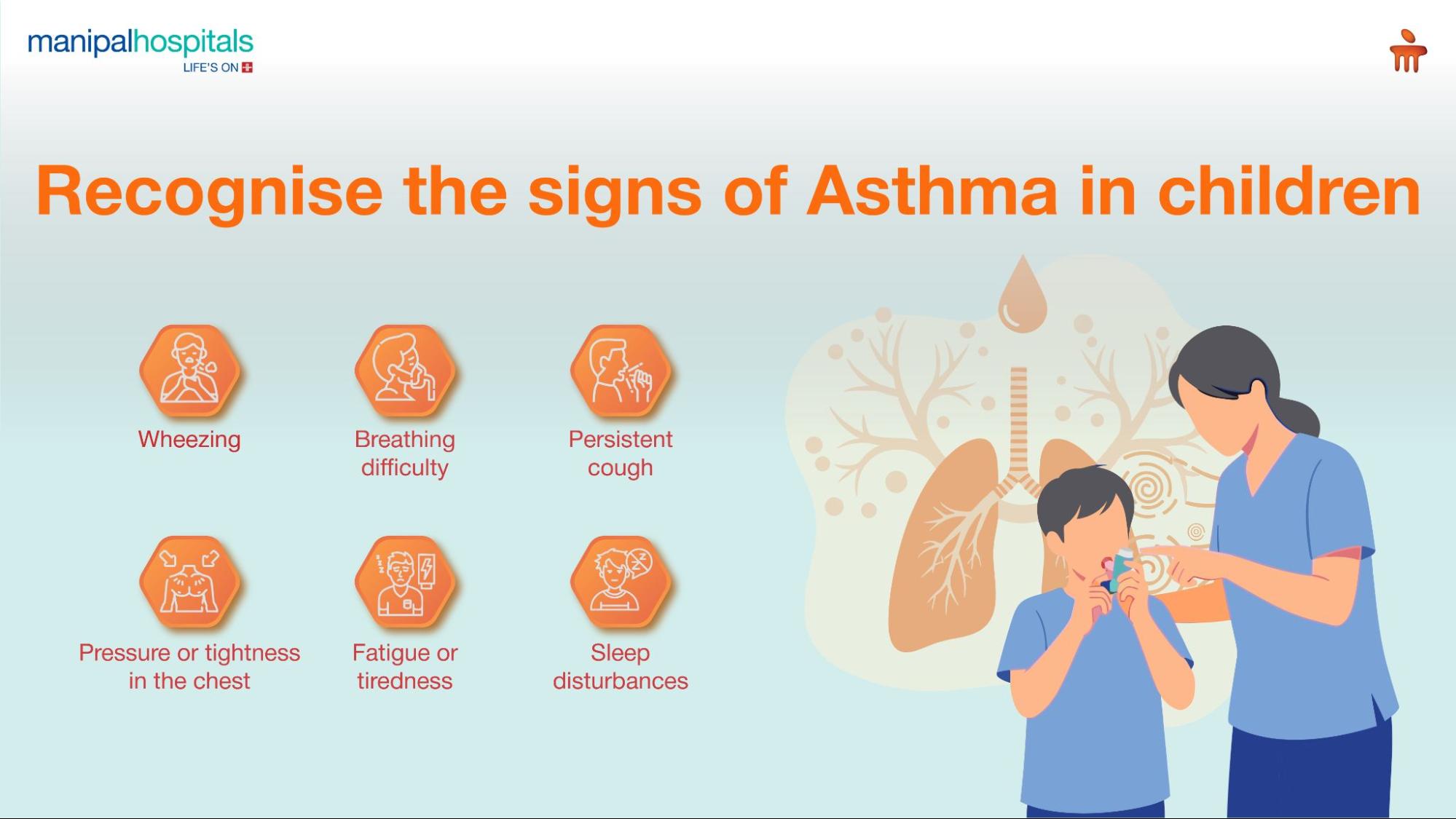
Asthma- This chronic inflammatory disease causes airway narrowing and increased mucus production, making breathing difficult. The hallmark symptom of breathlessness on exertion is often accompanied by wheezing and coughing.
-
Chronic Obstructive Pulmonary Disease (COPD)- This progressive lung disease encompasses emphysema and chronic bronchitis. COPD causes irreversible airflow obstruction and damage to the air sacs, leading to chronic and worsening shortness of breath, particularly during exertion.
-
Pulmonary Embolism- This occurs when a sudden, life-threatening blood clot in the lung artery severely restricts blood flow and oxygen exchange. This results in acute shortness of breath, chest pain, and rapid heart rate, warranting immediate medical attention.
Fitness and lifestyle factors
Apart from specific diseases, the general physical status of an individual can significantly impact their susceptibility to breathlessness on exertion. These include factors like:
-
Deconditioning- A lack of regular physical activity reduces cardiovascular fitness. When your muscles are less efficient at utilising oxygen, even mild effort can cause breathlessness because your body is not accustomed to the demands.
-
Obesity- The connection between obesity and breathlessness is well-established. Excess body weight puts considerable strain on both the heart and lungs, restricts diaphragm movement, and increases the overall oxygen requirement. This leads to a persistent shortness of breath with the slightest activity.
-
Anaemia- A low red blood cell count indicates less oxygen being delivered to your tissues. This leads to fatigue and shortness of breath, even with minimal activity, as the body tries to compensate for the reduced oxygen-carrying capacity.
-
Anxiety- Psychological factors such as panic attacks can trigger rapid, shallow breathing (hyperventilation) and shortness of breath that often mimic other serious medical conditions.
When to seek medical attention
Certain symptoms require urgent medical evaluation to identify the underlying cause and ensure timely intervention. It is crucial to consult a doctor without delay if your shortness of breath is new, worsening, or severe, especially if accompanied by any of the following symptoms:
-
Chest pain, pressure, or tightness
-
Dizziness, light-headedness, or fainting spells
-
Swelling in the legs or ankles
-
Waking up at night feeling breathless
-
Breathlessness that interferes with daily activities
-
Persistent cough, wheezing, or fever
Care essentials
Managing breathlessness on exertion effectively involves adopting healthy lifestyle practices while avoiding habits that may worsen symptoms or delay proper diagnosis.
|
Do |
Do not |
|
Prioritise regular, moderate exercise appropriate for your fitness level |
Do not ignore persistent shortness of breath or breathlessness during exertion |
|
Maintain a healthy weight by following a balanced and nutritious diet |
Avoid self-diagnosing, as many medical conditions can present with similar symptoms |
|
Quit smoking to protect and improve your lung health |
Do not push yourself into strenuous activity without medical advice, particularly if you have existing health issues |
|
Manage existing chronic conditions effectively with regular monitoring and treatment |
Do not delay consulting a healthcare professional if symptoms continue or worsen |
Conclusion
Understanding the causes of breathlessness on exertion is paramount for a healthier and more active life. Whether your symptoms stem from a cardiac vs respiratory cause, deconditioning, or obesity, expert guidance and timely intervention at Manipal Hospitals can provide clarity and effective management strategies. Taking your shortness of breath seriously is the first step towards better health. If you are experiencing frequent breathlessness during physical activity, consult our experienced team of pulmonology specialists at Manipal Hospitals EM Bypass for a thorough evaluation and personalised treatment plan to protect your heart and lung health.
FAQ's
Excess body weight places additional strain on the heart and lungs, limiting lung expansion and increasing the body’s oxygen demand. These changes can make physical activity more challenging and often lead to noticeable breathlessness during exertion.
When evaluating breathlessness on exertion, understanding the cardiac vs respiratory cause is important. Cardiac causes occur when the heart cannot pump blood efficiently during activity, while respiratory causes arise when the lungs struggle to exchange oxygen and carbon dioxide effectively.
Seek medical attention if shortness of breath develops suddenly, worsens quickly, occurs even at rest, or is accompanied by symptoms such as chest pain, dizziness, swelling, or a persistent cough, as these may indicate an underlying health problem requiring prompt evaluation.
Several conditions may cause it, including heart disease, asthma, chronic obstructive pulmonary disease (COPD), anaemia, and obesity. Lung infections or fluid accumulation around the lungs may also reduce oxygen exchange and cause breathing difficulty during activity.
Maintaining a healthy lifestyle can help reduce the risk. Regular exercise, weight management, quitting smoking, and controlling chronic conditions like asthma, diabetes, or heart disease can improve lung and heart function over time.
Share this article on: