5 Min Read
Parenthood brings immense joy and profound responsibility. Ensuring our child’s well-being is paramount, and a cornerstone of this commitment is ensuring their good health and safety through vaccination. Administering essential vaccines for children, on time, can protect them from a range of potentially virulent diseases, helping them build a strong foundation for a healthy future. As per the global survey, vaccinations prevent an estimated 3.5 to 5 million deaths each year. This blog comes as a handbook on common childhood vaccines for every concerned parent.
Synopsis
How do vaccines work?
Vaccines for children work by safely programming their immune system to recognise and fight off specific pathogens. By introducing a weakened or inactive form of the relevant virus or bacteria, the body learns to defend itself, preparing it for future encounters with the same pathogen but without the risk of actual infection. This proactive approach ensures powerful protection.
What is meant by Herd Immunity?
Herd immunity happens when most people in a community are vaccinated against a disease. This makes it difficult for the infection to spread from person to person. As a result, even those who cannot be vaccinated- such as infants or individuals with certain health conditions- are indirectly protected. It helps keep the entire community safer.
What are the common vaccines for children in India?
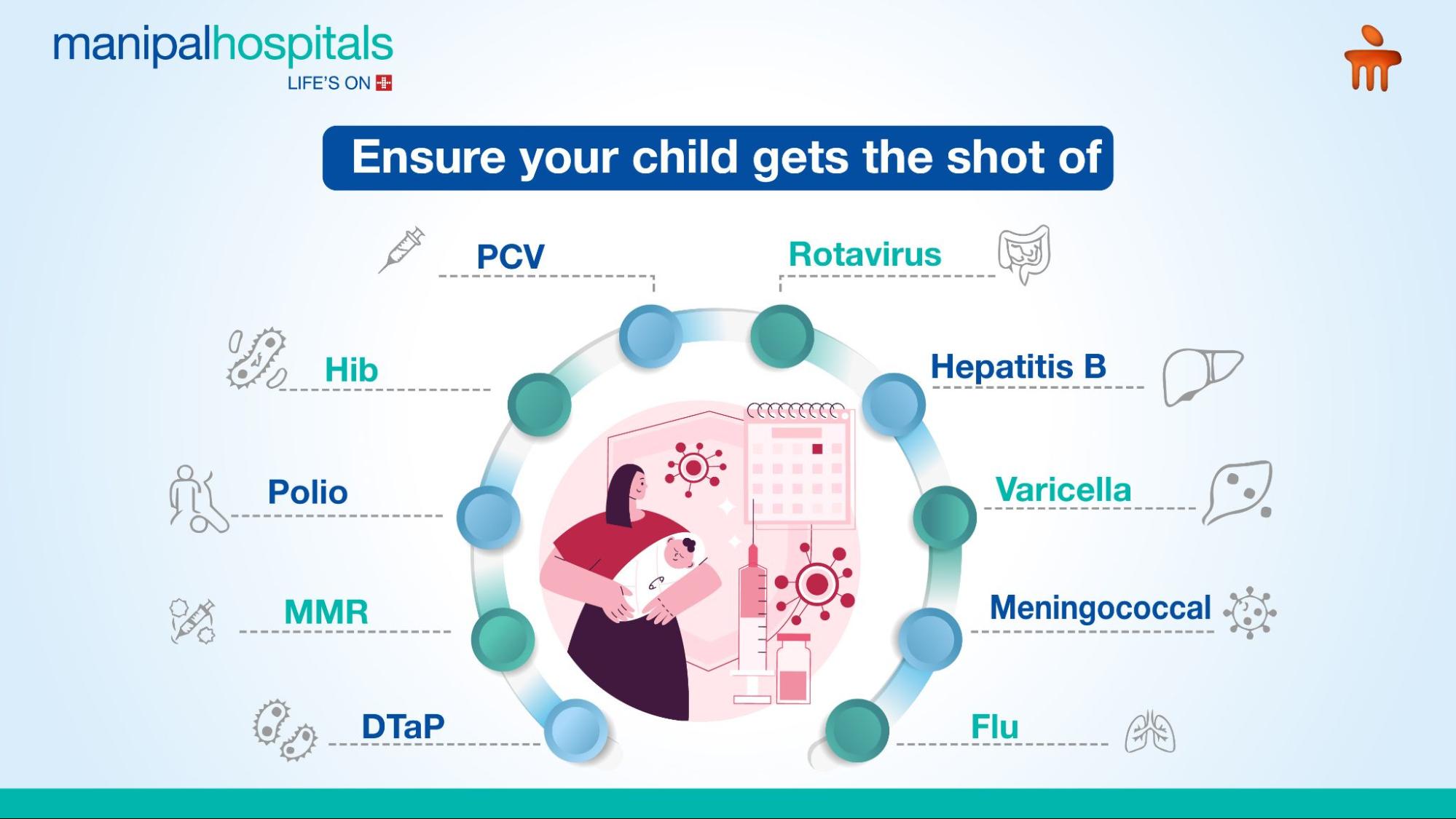
The Indian health authorities recommend a comprehensive list of vaccines for children by age to provide layered protection. Here are the details of 10 vital vaccines for children and the diseases they prevent:
-
DTaP (Diphtheria, Tetanus, and Pertussis)- This protects against diphtheria, tetanus (lockjaw), and pertussis (whooping cough), and serious bacterial infections. The DTaP vaccine is over 90% effective in preventing severe forms of these diseases.
-
MMR (Measles, Mumps, and Rubella)- It guards against measles, mumps, and rubella. Measles cases in India have seen a significant drop of over 75% since widespread vaccination programs were introduced.
-
Polio- Polio is a crippling and potentially fatal disease. Thanks to widespread vaccination campaigns, which have led to a 99% reduction in polio cases globally since 1988.
-
Hib (Haemophilus influenzae type B)- This provides protection against severe infections like meningitis and pneumonia caused by Hib bacteria.
-
Pneumococcal Conjugate Vaccine (PCV)- This vaccine safeguards against serious pneumococcal infections, including pneumonia and meningitis. Studies show PCV has successfully reduced severe pneumococcal disease in children by over 80%.
-
Rotavirus- It protects infants from rotavirus, a common cause of severe diarrhoea and dehydration.
-
Hepatitis B- This vaccine helps prevent Hepatitis B virus infection, which can lead to chronic liver disease later in life.
-
Varicella (Chickenpox)- This vaccine guards against chickenpox, a highly contagious viral disease that can lead to severe complications.
-
Meningococcal- It protects against meningococcal disease, a severe bacterial infection that causes meningitis.
-
Influenza (Flu Vaccine)- The influenza vaccine for children, also known as the ‘flu vaccine for children’, is recommended annually for children six months and older. It significantly reduces the risk of flu-related complications. The annual flu shot has been shown to reduce a child's risk of flu-related hospitalisation by 74%.
Care guidelines for childhood vaccinations
Following essential care practices before, during, and after vaccination helps ensure your child’s safety, comfort, and the best possible protection from preventable diseases.
-
Follow the recommended vaccination schedule
-
Discuss any concerns about the vaccines with your child’s paediatrician
-
Provide comfort to your child during and after the injection
-
Apply a cool, damp cloth to the injection site for mild redness or swelling
-
Avoid skipping or delaying vaccinations without medical advice, as this leaves your child vulnerable
-
Do not hesitate to contact your doctor if you observe any severe or unusual reactions
Conclusion
Investing in vaccines for children is an investment in their lifelong health and the well-being of the community. At Manipal Hospitals Salt Lake, we are committed to delivering comprehensive paediatric care and ensuring every child receives timely and effective immunisation. Our experts in the paediatric and childcare team are here to support you at every step of your child’s vaccination journey. If you have any questions about immunisation schedules or paediatric vaccines, do not hesitate to reach out to us. Book an appointment with our specialists at Manipal Hospitals today and give your child the best start to a healthy future.
FAQ's
Yes, vaccines for children are rigorously tested for safety and effectiveness. Serious side effects are extremely rare, and the benefits of preventing severe diseases far outweigh any risks.
No. Extensive scientific research has definitively shown no link between vaccines and autism, a myth debunked by major health organisations globally.
Most children experience mild, temporary side effects such as low-grade fever, soreness, redness, or swelling at the injection site, usually resolving within a day or two.
The `influenza vaccine for children` is needed annually because flu viruses constantly evolve, and protection from previous vaccines diminishes over time.
It is generally not recommended to deviate from the standard schedule, as delays leave your child vulnerable. Always consult your paediatrician regarding any concerns about the list of vaccines for children by age.
Share this article on: