7 Min Read
Could pregnancy bring unexpected changes to blood sugar levels, even when everything else seems normal? Gestational diabetes is a condition that develops only during pregnancy and often shows no warning signs. Early identification matters because it affects both mother and baby, and appropriate care makes outcomes far better. This article explains the condition in straightforward language so readers understand screening, common signs, likely causes, the range of treatment options, and dietary steps that support safe glucose control.
Synopsis
- What is Gestational Diabetes?
- What Causes Raised Blood Sugar in Pregnancy?
- Recognising Signs: Gestational Diabetes Symptoms
- Screening and Diagnosis
- Management and Treatment Approaches
- Dietary Management: Practical Guide
- Risks and What Untreated Hyperglycaemia can Lead to
- After Delivery: What Happens Next?
- When to Seek Urgent Medical Advice
- Conclusion
What is Gestational Diabetes?
Gestational diabetes is high blood glucose first recognised during pregnancy. It differs from pre-existing diabetes because it starts or is first detected in pregnancy. Typically, blood sugar normalises after delivery, but the condition requires planning and active management during pregnancy to reduce risks such as large birth weight, delivery complications, and higher long-term risk of type 2 diabetes for the woman.
Diagnosis most commonly occurs in the second trimester during routine screening, although earlier testing may be recommended for those with risk factors. Once identified, monitoring, lifestyle measures, and medical treatment are used to keep blood glucose in target ranges for the remainder of the pregnancy.
What Causes Raised Blood Sugar in Pregnancy?
Understanding the causes of gestational diabetes helps explain why screening is routine. Pregnancy hormones from the placenta make the body less sensitive to insulin, the hormone that controls blood sugar. For many, the pancreas can increase insulin production to compensate. If insulin output is not enough, blood sugar rises.
Risk factors increase the chance that the insulin supply won’t keep up. These include:
-
A history of high blood sugar in previous pregnancies.
-
Overweight or obesity before pregnancy.
-
Family history of diabetes.
-
Gestational diabetes causes also include advanced maternal age
-
Certain ethnic backgrounds have a higher risk of glucose disorders.
Screening identifies when insulin production and pregnancy demands are out of balance so appropriate steps can be taken.
Recognising Signs: Gestational Diabetes Symptoms
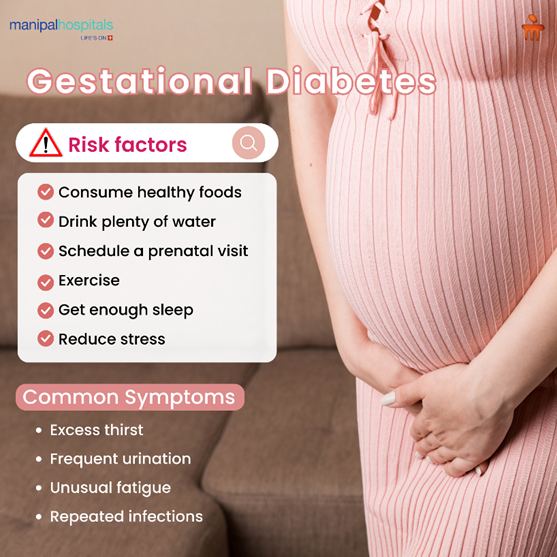
Many cases are picked up at routine screening rather than by symptoms. When signs do appear, common gestational diabetes symptoms may include increased thirst, more frequent urination than expected in pregnancy, and persistent fatigue. Sometimes there are no clear symptoms at all, which is why pregnancy glucose testing is widely recommended.
If any of the following are noticed, clinical review is appropriate:
-
Noticeable thirst beyond typical pregnancy changes.
-
Frequent urination that seems new or excessive.
-
Signs of infection, such as repeated urinary infections.
Because symptoms can be subtle or overlap with normal pregnancy, screening tests play a key role in detection.
Screening and Diagnosis
Routine screening for high blood sugar in pregnancy typically uses a glucose challenge or a glucose tolerance test in the second trimester. Women with risk factors may be tested earlier. Testing measures how the body handles an oral glucose load and whether blood sugar rises above accepted thresholds.
After abnormal results, a diagnostic glucose tolerance test confirms the diagnosis. The clinician will explain the results, the implications, and the next steps for care.
Management and Treatment Approaches
Appropriate gestational diabetes treatment focuses on maintaining blood glucose within target ranges to reduce risks. Treatment is staged and individualised. Initially, the approach emphasises lifestyle measures: structured diet, regular physical activity, and frequent self-monitoring of blood sugar.
If lifestyle alone does not achieve targets, medication is added. Insulin is the standard medicine when required because it does not cross the placenta and allows precise glucose control. In selected situations, oral medicines may be considered, but the decision is clinical and tailored to the pregnancy.
The treatment plan includes:
-
Regular home glucose monitoring and clinic reviews.
-
Medication only when necessary and adjusted to targets.
-
Fetal monitoring to track growth and well-being.
A combined approach ensures blood sugar control while supporting a healthy pregnancy.
Dietary Management: Practical Guide
A planned gestational diabetes diet is central to care. A dietary pregnancy diet plan is not a rigid restriction but a balanced approach to manage blood sugar while ensuring adequate nutrition for mother and baby.
|
Meal timing |
What to focus on |
Actionable Steps |
|
Early morning |
Hydration and light nutrition |
Start the day with warm water. A few soaked almonds or walnuts help prevent an early blood sugar rise. Avoid tea or coffee on an empty stomach. |
|
Breakfast |
Protein with complex carbohydrates |
Choose vegetable oats, multigrain dosa, or whole wheat toast with egg, paneer, or curd. Avoid fruit-only breakfasts, as they may raise sugar levels quickly. |
|
Mid-morning snack |
Low-glycaemic fruit |
One portion of fruit, such as an apple, guava, pear, or berries, works best when paired with nuts or yoghurt for better sugar control. |
|
Lunch |
Balanced plate method |
Fill half the plate with vegetables, one quarter with whole grains like brown rice or chapati, and one quarter with protein such as dal, fish, chicken, or paneer. |
|
Afternoon snack |
Sustained energy |
Roasted chana, sprouts, buttermilk, or boiled corn in moderation helps maintain stable glucose between meals. |
|
Evening snack |
Light and fibre-rich |
Vegetable soup, peanuts, or a small portion of steamed snacks is preferable to fried or packaged foods. |
|
Dinner |
Early and lighter than lunch |
Keep dinner simple with vegetables, protein, and a smaller carbohydrate portion. Finish meals at least two hours before bedtime. |
|
Bedtime snack |
Prevent overnight sugar drop |
A glass of milk or a few nuts helps maintain stable blood sugar through the night and reduces morning spikes. |
A registered dietitian experienced in pregnancy provides a tailored pregnancy diet plan that fits cultural food preferences and daily routines. The diet plan works best alongside moderate physical activity and regular glucose monitoring.
Risks and What Untreated Hyperglycaemia can Lead to
Left unmanaged, high blood sugar in pregnancy raises the risk of complications. These include increased fetal size (which can complicate labour), higher rates of caesarean delivery, and neonatal low blood sugar after birth. For the woman, there is an increased risk of high blood pressure disorders in pregnancy and a higher chance of developing type 2 diabetes later in life. Timely gestational diabetes treatment and follow-up reduce these risks significantly.
After Delivery: What Happens Next?
Often, blood sugar returns to normal after childbirth, but follow-up testing is essential. A glucose tolerance test is usually performed around six to twelve weeks postpartum to check for persistent glucose intolerance. The woman should also be counselled about lifestyle measures that reduce longer-term risk, healthy weight, balanced diet, regular physical activity, and periodic glucose checks.
Because a history of high blood sugar in pregnancy increases future diabetes risk, long-term follow-up and preventive care are important parts of overall management.
When to Seek Urgent Medical Advice
The expectant mother should contact her healthcare team if:
-
Home blood sugar readings are consistently above target despite following the agreed plan.
-
Signs of infection, severe dehydration, or persistent vomiting occur.
-
Reduced fetal movement is noticed after the mid-second trimester.
Prompt communication ensures timely adjustments to the treatment plan. Meet Our Gynaecology Expert at Manipal Hospital Salem.
Conclusion
Clear detection and structured care make a decisive difference for gestational diabetes. Screening during pregnancy, a practical diet and activity plan, regular glucose monitoring, and timely medication when needed form the core of effective management. Close collaboration between the woman and the clinical team supports healthy outcomes for mother and baby, and postpartum follow-up reduces the long-term risk of diabetes. For expert evaluation and personalised pregnancy care for gestational diabetes, contact Manipal Hospital Salem’s obstetrics and endocrinology teams.
FAQ's
Well-managed blood sugar keeps risks low. If blood glucose is uncontrolled, the baby can grow larger, and the newborn may need monitoring for low blood sugar after delivery. Regular monitoring and treatment reduce these risks.
Not always. Many women control glucose with diet, activity, and monitoring. If targets are not met, insulin is commonly used and adjusted to control levels safely throughout pregnancy.
Simple sugars and refined carbohydrates that cause quick blood sugar spikes should be limited. A balanced gestational diabetes diet emphasises whole grains, vegetables, lean protein, and healthy fats with regular meal timing.
Reducing modifiable risk factors before pregnancy, such as healthy weight, balanced nutrition, and activity, lowers the chance of developing high blood sugar during pregnancy, though not all cases are preventable.
Not necessarily. Blood sugar often returns to normal after birth, but there is an increased risk of type 2 diabetes later. Follow-up testing and lifestyle measures are important to reduce long-term risk.
Share this article on: