6 Min Read
A peripheral nerve injury can significantly affect movement, sensation, and overall quality of life. Peripheral nerves connect the brain and spinal cord to muscles, skin, and internal organs, enabling sensation and voluntary movement. When a peripheral nerve injury occurs, even simple daily activities can become challenging. Early awareness, timely diagnosis, and appropriate care are critical for recovery. Our neurologists in Ranchi emphasise that recognising symptoms early and understanding treatment options can greatly improve outcomes.
This comprehensive guide explains what peripheral nerve injury is, explores the types of peripheral nerve injury, highlights peripheral nerve injury signs and symptoms, and outlines effective peripheral nerve injury treatment strategies to support faster healing and long-term nerve health.
Synopsis
- What Is Peripheral Nerve Injury?
- Why Peripheral Nerve Injury Needs Prompt Attention
- Types of Peripheral Nerve Injury
- Causes of Peripheral Nerve Injury
- Peripheral Nerve Injury Signs and Symptoms
- How Peripheral Nerve Injury Is Diagnosed
- Peripheral Nerve Injury Treatment Options
- Healing Timeline and Recovery Expectations
- How to Protect Yourself From Peripheral Nerve Injury
- When to Seek Medical Help
- Conclusion
What Is Peripheral Nerve Injury?
To understand what peripheral nerve injury is, it is important to know how peripheral nerves function. These nerves transmit signals between the central nervous system and the rest of the body. A peripheral nerve injury occurs when these nerves are damaged due to trauma, compression, stretching, or disease.
A peripheral nerve injury can disrupt:
-
Sensory signals such as pain, temperature, and touch
-
Motor signals controlling muscle movement
-
Autonomic functions like sweating or blood pressure regulation
Depending on severity, a peripheral nerve injury may be temporary or permanent, requiring medical intervention and rehabilitation.
Why Peripheral Nerve Injury Needs Prompt Attention
Ignoring a peripheral nerve injury can lead to long-term complications such as muscle wasting, chronic pain, and permanent sensory loss. Early diagnosis allows targeted peripheral nerve injury treatment, improving nerve regeneration potential.
Key Reasons Early Care Matters
-
Prevents worsening nerve damage
-
Reduces risk of permanent disability
-
Improves chances of full functional recovery
Our neurologists in Ranchi often stress that delayed care for peripheral nerve injury can complicate recovery timelines.
Types of Peripheral Nerve Injury
Understanding the types of peripheral nerve injury helps determine prognosis and treatment approach. Medical professionals classify a peripheral nerve injury based on the extent of nerve damage.
Common Types of Peripheral Nerve Injury
|
Type |
Description |
Recovery Potential |
|
Neurapraxia |
Temporary nerve conduction block |
Temporary nerve conduction block |
|
Axonotmesis |
Damage to nerve fibres with intact sheath |
Gradual recovery possible |
|
Neurotmesis |
Complete nerve disruption |
Often requires surgery |
Each of these types of peripheral nerve injury presents differently and demands specific peripheral nerve injury treatment plans.
Causes of Peripheral Nerve Injury
A peripheral nerve injury can occur due to various reasons, ranging from accidents to chronic conditions.
Common Causes
-
Road traffic accidents and falls
-
Sports injuries and repetitive strain
-
Surgical complications
-
Prolonged nerve compression
-
Diabetes and metabolic disorders
Identifying the underlying cause of a peripheral nerve injury is essential for effective treatment and prevention of recurrence.
Peripheral Nerve Injury Signs and Symptoms
Recognising peripheral nerve injury signs and symptoms early can prevent progression and permanent damage. Symptoms vary depending on which nerve is affected.
Common Peripheral Nerve Injury Signs and Symptoms
-
Numbness or tingling sensations
-
Burning or sharp pain
-
Muscle weakness or paralysis
-
Loss of coordination
-
Sensitivity to touch or temperature
Persistent or worsening peripheral nerve injury signs and symptoms require immediate medical evaluation.
How Peripheral Nerve Injury Is Diagnosed
Accurate diagnosis is crucial to confirm what is peripheral nerve injury and assess its severity.
Diagnostic Tools Used
-
Clinical neurological examination
-
Nerve conduction studies
-
Electromyography (EMG)
-
MRI or ultrasound imaging
These tests help identify the types of peripheral nerve injury and guide appropriate peripheral nerve injury treatment.
Peripheral Nerve Injury Treatment Options
Effective peripheral nerve injury treatment depends on the type, cause, and severity of damage. Treatment aims to relieve symptoms, restore function, and prevent further injury.
Non-Surgical Peripheral Nerve Injury Treatment
-
Medications for pain and inflammation
-
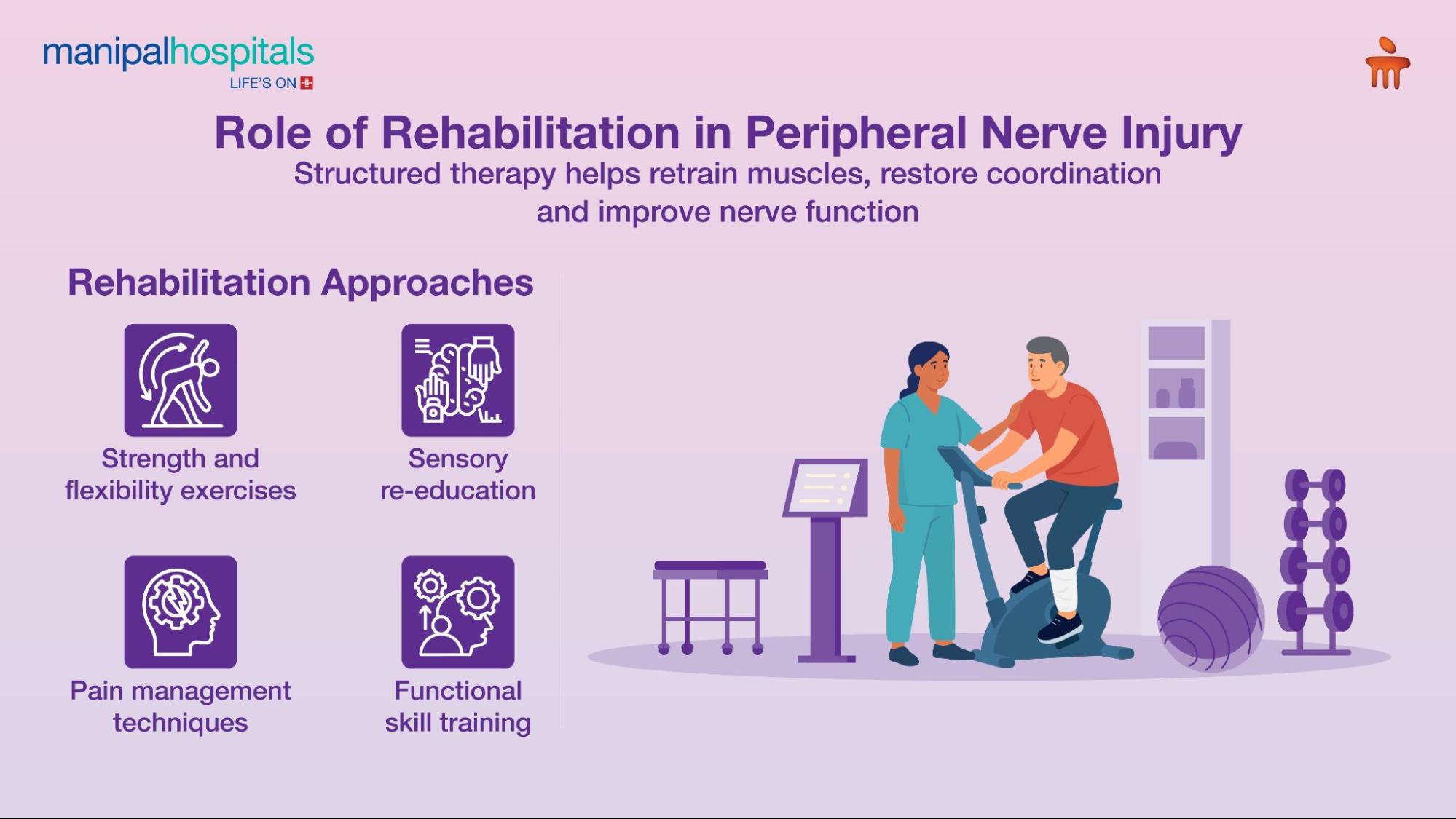
Physical therapy to maintain muscle strength
-
Occupational therapy for functional adaptation
-
Bracing or splints to support affected limbs
Surgical Peripheral Nerve Injury Treatment
Surgery may be required in severe peripheral nerve injury cases involving nerve rupture or compression.
|
Surgical Option |
Surgical Option |
|
Nerve repair |
Reconnect severed nerves |
|
Nerve grafting |
Replace damaged nerve sections |
|
Nerve decompression |
Relieve pressure on nerves |
Our neurologists in Ranchi work closely with multidisciplinary teams to determine the most effective peripheral nerve injury treatment plan.
Healing Timeline and Recovery Expectations
Recovery from a peripheral nerve injury varies widely. Minor injuries may heal within weeks, while severe cases may take months or longer.
Factors Affecting Recovery
-
Age and overall health
-
Type of nerve injured
-
Severity of damage
-
Timeliness of treatment
Nerves regenerate slowly, typically about one millimetre per day, making patience and consistent rehabilitation essential.
How to Protect Yourself From Peripheral Nerve Injury
Prevention plays a key role in reducing the risk of peripheral nerve injury, especially for individuals with high-risk lifestyles or medical conditions.
Prevention Tips
-
Use protective gear during sports and physical work
-
Maintain good posture and ergonomic habits
-
Manage chronic conditions like diabetes
-
Avoid prolonged pressure on limbs
Understanding what is peripheral nerve injury and how it occurs empowers individuals to take proactive protective measures.
When to Seek Medical Help
Consult a specialist immediately if you experience:
-
Persistent numbness or weakness
-
Progressive pain
-
Loss of movement
-
Symptoms following trauma
Early intervention improves prognosis for peripheral nerve injury and reduces long-term complications. Our neurologists in Ranchi encourage prompt evaluation for any concerning neurological symptoms.
Conclusion
A peripheral nerve injury can impact daily life, but timely diagnosis, appropriate treatment, and dedicated rehabilitation can lead to meaningful recovery. Understanding what is peripheral nerve injury, recognising peripheral nerve injury signs and symptoms, and learning about the types of peripheral nerve injury empowers patients to act early. With personalised peripheral nerve injury treatment and expert guidance from our neurologists in Patiala, healing is achievable, and long-term nerve health can be preserved.
FAQ's
Peripheral nerve injury refers to damage affecting nerves outside the brain and spinal cord, impacting sensation and movement.
Peripheral nerve injury signs and symptoms include numbness, pain, weakness, tingling, and loss of coordination.
The main types of peripheral nerve injury are neurapraxia, axonotmesis, and neurotmesis.
Peripheral nerve injury treatment depends on injury severity, cause, and nerve involvement, ranging from therapy to surgery.
Many peripheral nerve injuries heal fully with early treatment, though recovery time varies based on injury type and severity.
Share this article on: