7 Min Read
A heart attack occurs when the blood supply to the heart muscle is blocked. This blockage is usually caused by plaque buildup in the coronary arteries. When the heart muscle does not receive enough oxygen-rich blood, it can become damaged.
In many cases, heart attack symptoms in women are different from those experienced by men. While men often feel sudden, severe chest pain, women may experience milder or unusual symptoms that develop gradually.
Because of these differences, women are also more likely to experience a silent heart attack, where symptoms are subtle or go unnoticed.
Synopsis
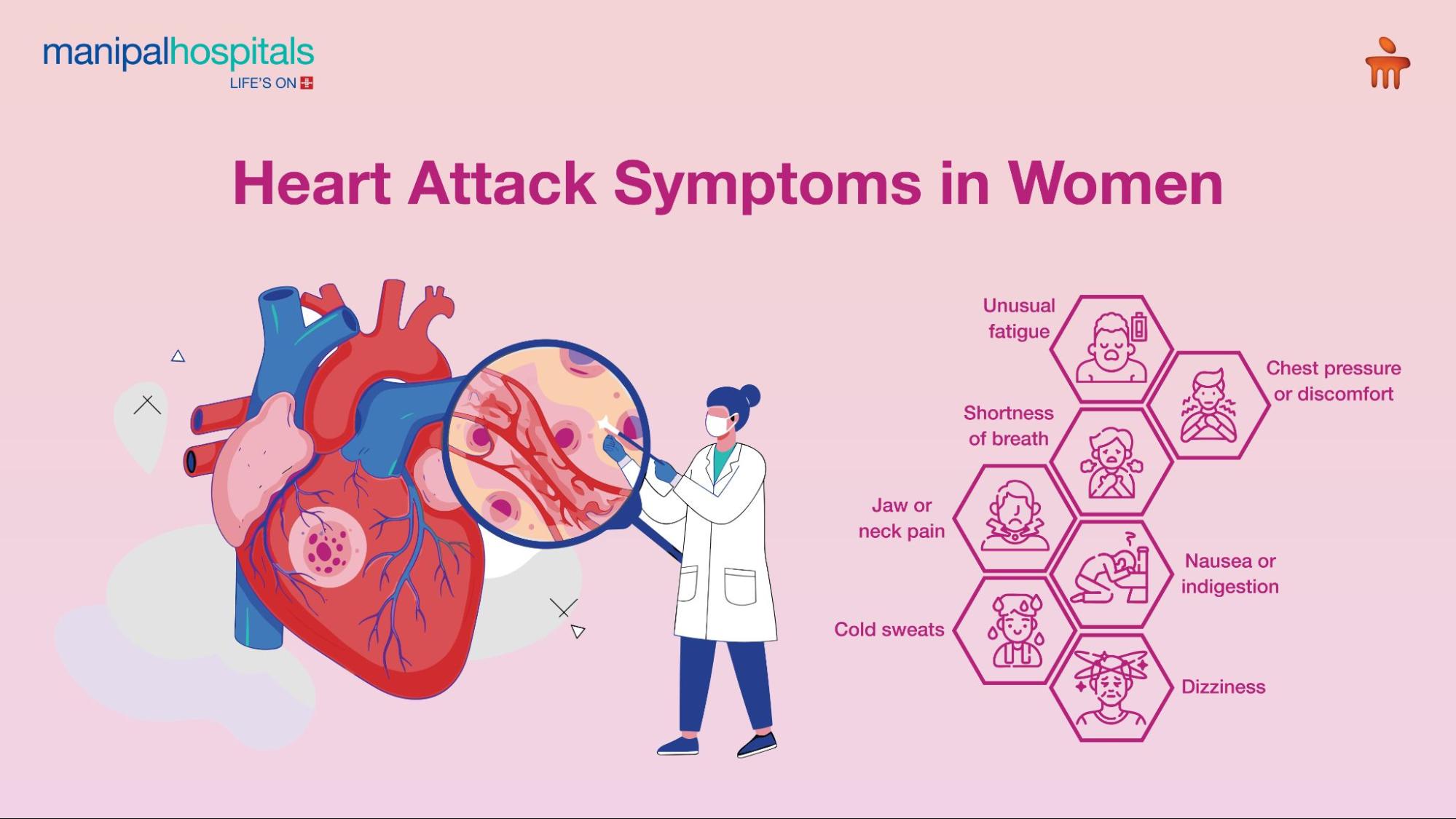
Common Heart Attack Symptoms in Women
Recognising the early signs of a heart attack in women can help save lives. Some of the most common symptoms include the following:
1. Chest Pain or Chest Discomfort
Chest pain is still one of the most recognised symptoms, but chest pain in women may feel different from the classic crushing pain associated with heart attacks.
Women may experience:
-
Pressure or tightness in the chest
-
Burning sensation similar to acidity
-
Mild discomfort that comes and goes
-
Pain spreading to the shoulders or back
Because the pain may be mild, many women mistake it for gas, acidity, or muscle pain.
2. Extreme Fatigue
One of the early heart attack symptoms in women is unusual or unexplained fatigue.
Women often report:
-
Feeling extremely tired for no clear reason
-
Exhaustion during simple activities
-
Persistent weakness even after rest
This fatigue may occur days or even weeks before a heart attack.
3. Shortness of Breath
Breathlessness without physical activity can be another warning sign.
Women may notice:
-
Difficulty breathing while resting
-
Breathlessness during light activity
-
Feeling unable to take deep breaths
Sometimes this symptom occurs without chest pain.
4. Pain in the Neck, Jaw, or Upper Back
Unlike men, who usually experience pain in the left arm, women may feel discomfort in other parts of the body.
These may include:
-
Neck pain
-
Jaw pain
-
Shoulder pain
-
Upper back discomfort
This pain may feel dull or similar to muscle strain.
5. Nausea, Vomiting, or Indigestion
Many women mistake heart attack symptoms for stomach problems.
Possible symptoms include:
These symptoms can make the condition appear like food poisoning or gastritis.
6. Dizziness or Lightheadedness
Another possible sign is sudden dizziness.
Women may experience:
-
Feeling faint
-
Sudden weakness
-
Loss of balance
This can happen when the heart is unable to pump blood effectively.
7. Cold Sweats
Breaking into a sudden cold sweat without physical activity can also signal a heart attack.
Women may notice:
-
Excessive sweating
-
Clammy skin
-
Anxiety or restlessness
This symptom often occurs together with other warning signs.
Silent Heart Attack in Women
A silent heart attack occurs when symptoms are mild or unnoticed. Women are more likely than men to experience this type of heart attack.
Symptoms of a silent heart attack may include:
-
Mild fatigue
-
Slight chest discomfort
-
Breathlessness
-
Light indigestion
Because these symptoms are subtle, many women do not realise they are having a heart attack until later.
Cardiologists at Bhagwan Mahavir Manipal Hospital often detect silent heart attacks during routine screening tests, such as ECGs or other cardiac tests.
Risk Factors for Heart Attack in Women
Several factors can increase the risk of a heart attack in women.
Lifestyle Risk Factors
-
Smoking
-
Lack of physical activity
-
Unhealthy diet
-
Chronic stress
Medical Conditions
-
Diabetes
-
High cholesterol
-
Obesity
Hormonal Changes
After menopause, women lose the protective effects of the hormone estrogen. This increases the risk of heart disease and heart attacks.
When Should Women Seek Emergency Care?
Immediate medical help is required if the following symptoms appear:
-
Persistent chest discomfort
-
Shortness of breath
-
Pain in the jaw, neck, or back
-
Sudden nausea or vomiting
-
Cold sweats or dizziness
If these symptoms last more than a few minutes or keep returning, emergency medical care should be sought immediately.
Early treatment can reduce heart damage and improve survival.
Preventing Heart Attack in Women
Many heart attacks can be prevented with simple lifestyle changes.
Maintain a Healthy Diet
Eat more fruits, vegetables, whole grains, and lean proteins while limiting processed and high-fat foods.
Exercise Regularly
At least 30 minutes of moderate exercise daily helps improve heart health.
Manage Stress
Practices such as yoga, meditation, and relaxation techniques can help lower stress levels.
Monitor Blood Pressure and Cholesterol
Regular health check-ups help detect risk factors early.
Avoid Smoking
Smoking significantly increases the risk of heart disease in women.
Regular preventive screenings and cardiac check-ups at Bhagwan Mahavir Manipal Hospital can help identify heart problems early and prevent serious complications.
A heart attack in women often presents with symptoms that are different from those seen in men. Signs such as fatigue, nausea, breathlessness, jaw pain, or dizziness should never be ignored.
conclusion
Understanding heart attack symptoms in women and recognising early warning signs can help women seek timely medical care and prevent serious complications.
Early diagnosis, a healthy lifestyle, and regular heart check-ups are key to protecting heart health and reducing the risk of heart disease.
FAQ's
Common symptoms include chest discomfort, fatigue, breathlessness, nausea, jaw pain, dizziness, and cold sweats.
Yes. Many women experience symptoms such as fatigue, nausea, or shortness of breath without severe chest pain.
A silent heart attack occurs when symptoms are mild or unnoticed, making the condition difficult to recognise immediately.
Hormonal factors, smaller coronary arteries, and different patterns of heart disease can cause women to experience different symptoms.
Maintaining a healthy diet, exercising regularly, managing stress, controlling blood pressure and diabetes, and avoiding smoking can significantly reduce the risk.
Share this article on: