6 Min Read
A burning, stinging, or uncomfortable sensation when you pass urine is alarming and very common. Pain while peeing often signals an underlying problem that ranges from easily treated infections to conditions that need specialist care. Knowing the likely causes, how a clinician will check you, and the safe, effective treatments your doctor may prescribe helps you act quickly and avoid complications. This blog explains the common causes, outlines five evidence-based treatments you may encounter, and gives clear guidance on when to seek urgent help and how to prevent recurrence.
Synopsis
What Pain While Peeing Means
Pain while peeing, also called dysuria, is a symptom rather than a diagnosis. It reflects irritation or inflammation somewhere along the urinary tract, which includes the urethra, bladder, ureters and kidneys. For men, prostate problems can also cause pain during urination. The sensation can be sharp or burning, occur at the start or end of the stream, and may come with other signs such as increased frequency, urgency, or visible changes in urine. Understanding that this symptom has many possible causes helps you and your clinician choose the proper tests and the right UTI treatment or other therapy when needed.
Common Causes
You should know the most frequent reasons people feel pain while peeing, so you can recognise patterns and seek care without delay.
-
Urinary tract infection (UTI) is the most common cause of burning or pain when urinating.
-
Kidney stones can cause severe pain and blood in the urine when a stone moves.
-
STIs (chlamydia, gonorrhoea), sexually transmitted infections that commonly cause urethral irritation and discharge.
-
Vaginal or penile irritation, from soaps, spermicides, douches, tight clothing, or allergic reactions.
-
Prostate issues in men, including prostatitis or benign prostatic enlargement, that cause urinary discomfort.
If you notice fever, blood in the urine, severe pain, or sudden inability to pass urine, get medical attention promptly. These signs can indicate a more serious condition.
How Doctors Assess Pain While Peeing
When you see a clinician, they will take a careful history and perform a focused examination to narrow down the cause. The first step is to ask about the quality of pain, timing, associated symptoms, sexual history, and any recent exposures such as new soaps or antibiotics. Your doctor will usually request simple tests to guide treatment.
Common initial tests include urine analysis and urine culture to detect infection, a swab for STIs if indicated, and blood tests if a systemic infection is suspected. Imaging, such as an ultrasound or CT scan, may be arranged if a stone or structural problem is suspected. Men with prostate symptoms may have a prostate exam. These investigations ensure you receive targeted treatment rather than guesswork.
Five Effective Treatments
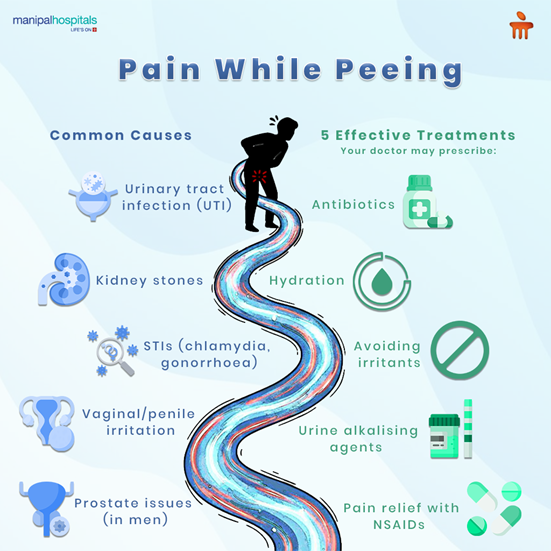
Treatment depends entirely on the cause, but five approaches cover the majority of cases you will encounter. Your doctor will choose the right combination for your situation.
1. Antibiotics
If tests confirm a bacterial urinary tract infection or a bacterial sexually transmitted infection, antibiotics are the standard treatment. Early, appropriate antibiotic therapy clears most UTIs and many STIs and reduces the risk of complications such as kidney infection.
-
Take the full course exactly as prescribed, even if you feel better early.
-
Report side effects such as severe diarrhoea or allergic reactions.
If symptoms persist after treatment, return for repeat testing to check for resistant organisms or a different diagnosis.
2. Hydration
Good hydration thins urine and helps flush bacteria and irritants from the bladder and urethra. Increasing fluid intake is a simple supportive measure that speeds symptom relief alongside other treatments.
-
Sip water regularly rather than drinking a very large volume at once.
-
Avoid alcohol and caffeine while symptoms are active because they can irritate the bladder.
If you have heart or kidney disease, check safe fluid limits with your doctor.
3. Avoiding Irritants
Many people experience urethral or genital irritation from everyday products. Removing potential irritants can resolve symptoms quickly when infection is not the primary cause.
-
Stop the use of new soaps, bubble baths, douches, feminine hygiene sprays, or spermicides.
-
Wear breathable cotton underwear and avoid tight synthetic clothing until symptoms improve.
For men, avoid prolonged exposure to harsh detergents or powders in the genital area.
4. Urine Alkalising Agents
When urine is very acidic, it can increase stinging. Under medical guidance, short courses of urine alkalising agents can reduce discomfort while other treatments take effect. These medications change urine pH to make it less irritating, but they are an adjunct, not a substitute, for antibiotics when infection is present.
-
Use alkalising agents only as recommended by your doctor or pharmacist.
-
Inform your clinician about any other medications or medical conditions before using them.
Monitor symptoms and seek further care if pain persists or worsens.
5. Pain Relief With NSAIDs
Pain relief is an essential part of care while the underlying cause is treated. Nonsteroidal anti-inflammatory drugs, noted here as pain relief with NSAIDs, effectively reduce pain and inflammation in many cases of dysuria.
-
Use NSAIDs as recommended and avoid them if you have stomach ulcer disease, kidney impairment, or certain heart conditions without medical advice.
-
Paracetamol is an alternative for pain relief if NSAIDs are not suitable for you.
If pain is severe or not controlled with simple measures, seek urgent review because this can indicate a more serious problem.
When to Seek Urgent Care
Most causes of pain while peeing are treatable, but some signs require prompt evaluation. Contact emergency services or your doctor right away if you experience any of the following.
-
Very high fever or shaking chills.
-
Severe flank or abdominal pain that will not ease.
-
Blood in the urine or sudden inability to pass urine.
-
Confusion, fainting, or dizziness alongside urinary symptoms.
-
For men, severe genital pain or swelling that suggests testicular or prostate complications.
Early action reduces the risk of complications such as kidney infection, sepsis, or obstructive damage from a stone.
Prevention Tips
You can reduce the chances of pain while peeing by adopting a few simple habits that protect the urinary tract and reduce irritation.
Simple preventive steps make a big difference over time. They include staying well hydrated, practising safe sex, wiping front to back after using the toilet, urinating after intercourse, and avoiding products that irritate the genital area. For men with recurrent prostate-related symptoms, discuss prostate health and urinary flow with your clinician. Women with repeated UTIs may benefit from targeted preventive strategies that your doctor can offer.
-
Drink adequate water daily to promote regular urine flow.
-
Practise safe sex and use barrier protection if there is a risk of STIs.
-
Avoid harsh soaps and scented products in the genital area.
-
Urinate after sexual activity and do not hold urine for long periods.
-
Discuss vaginal oestrogen therapy with your doctor if recurrent infections occur after menopause.
Conclusion
Pain while peeing is a common symptom with many causes. Most cases respond well to targeted treatment such as UTI treatment, improved hydration, removal of irritants, appropriate use of urine alkalising agents, and pain relief with NSAIDs when needed. Early consultation with your clinician allows accurate diagnosis, prevents complications, and reduces repeat episodes. If your symptoms are severe, involve fever or blood, or do not improve within a few days of treatment, seek medical review promptly. With timely care and sensible prevention, you can usually expect a speedy recovery.
FAQ's
Antibiotics tailored to the bacteria causing the infection are the fastest and most effective treatment. Your doctor will often start a short course based on urine tests or local guidelines. Drinking fluids and resting help alongside medicines.
Yes. STI symptoms such as those from chlamydia or gonorrhoea commonly include urethral pain and discharge. If you have new sexual partners or unprotected sex, get tested and treated promptly.
Not always. Small stones can pass with mild symptoms, while larger stones cause severe pain and may need imaging and specialist treatment. Blood in the urine and severe flank pain are clues that warrant urgent assessment for kidney stones.
For many people, simple analgesics, including NSAIDs or paracetamol, are helpful. Use them according to instructions and discuss with your clinician if you have other health conditions or take other medicines.
See a urologist or specialist if you have recurrent infections, suspected stones, persistent pain despite treatment, an abnormal urinary flow, or complicated medical conditions such as diabetes or structural urinary problems.
Share this article on: