6 Min Read
The kidneys are vital organs, diligently working to filter waste products, regulate blood pressure, produce hormones, and maintain fluid balance in our bodies. Often, their silent efficiency goes unnoticed until a problem arises. One crucial indicator of kidney health is the level of creatinine in your blood. Understanding your kidney function test results, especially concerning creatinine, is key to proactive health management.
Synopsis
Understanding Kidney Function Test Results
A kidney function test is a group of blood and urine tests that evaluate how well your kidneys are working. These tests help detect kidney problems early, allowing for timely intervention and better outcomes. Regular screening is incredibly effective; studies indicate that early diagnosis and management can significantly slow the progression of kidney disease in up to 70% of cases.
Key components of a standard kidney function test include:
-
Creatinine: A byproduct from muscle metabolism.
-
Urea Nitrogen (BUN): Another byproduct, formed from protein breakdown.
-
Glomerular Filtration Rate (GFR): An estimate of how much blood the glomeruli (tiny filters in your kidneys) filter per minute.
-
Urine Albumin-to-Creatinine Ratio (UACR): Checks for protein in the urine, an early sign of kidney damage.
Decoding Creatinine Levels
Creatinine is a chemical waste product that is produced when muscles use creatine for energy. Healthy kidneys filter creatinine out of the blood, which is then expelled from the body in urine. When kidney function is impaired, creatinine can accumulate in the blood, leading to elevated levels.
The creatinine normal range can vary slightly depending on the laboratory, age, gender, and muscle mass, but generally it is:
-
Adult Males: 0.7 to 1.3 mg/dL (62 to 115 µmol/L)
-
Adult Females: 0.5 to 1.1 mg/dL (44 to 97 µmol/L)
Values above these ranges usually indicate reduced kidney function. For children, the normal range is typically lower and varies by age.
On the other hand, the estimated Glomerular Filtration Rate (eGFR) is a more accurate indicator of kidney function than creatinine alone, as it considers age, sex, and race along with creatinine levels. The eGFR normal range is generally:
-
Normal (Stage 1): 90 mL/min/1.73 m² or higher
-
Mildly decreased (Stage 2): 60-89 mL/min/1.73 m²
-
Moderately decreased (Stage 3): 30-59 mL/min/1.73 m²
-
Severely decreased (Stage 4): 15-29 mL/min/1.73 m²
-
Kidney failure (Stage 5): Less than 15 mL/min/1.73 m²
An eGFR below 60 mL/min/1.73 m² for three months or more is a strong indicator of chronic kidney disease
High Creatinine Symptoms—What to Look For
Elevated creatinine levels don't always cause noticeable symptoms in their early stages. This is why regular kidney function tests are so vital. However, as kidney function declines and creatinine levels rise significantly, several high creatinine symptoms may become apparent. The list includes fatigue and weakness, swelling (edema), and shortness of breath.
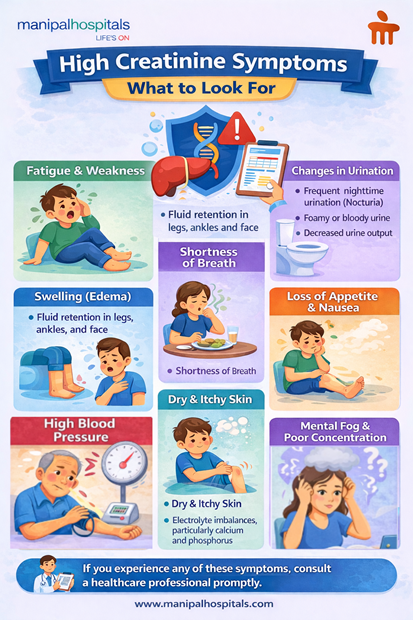
Individuals also experience changes in urination, particularly a condition called "nocturia," which causes frequent urination, especially at night. In some cases, the presence of protein may cause urine to become foamy or bubbly. Decreased urine output and the presence of blood in urine are also notable symptoms. Accumulation of waste products can lead to gastrointestinal issues, leading to loss of appetite, nausea, and vomiting.
Additionally, muscle cramps and weakness can also occur due to imbalances in electrolytes, particularly calcium and phosphorus. Accumulation of waste products can irritate the skin, causing it to become dry and itchy. These toxins can also affect brain function, resulting in mental fog and difficulty concentrating. Kidneys play a crucial role in blood pressure regulation, which means that kidney dysfunction can result in high blood pressure. If you experience any of these high creatinine symptoms, it is crucial to consult a healthcare professional promptly.
High Creatinine Causes—Unraveling the Reasons
Understanding high creatinine causes is essential for effective treatment. Elevated creatinine can stem from various factors, ranging from temporary conditions to chronic diseases. These include:
-
Acute Kidney Injury (AKI): A sudden, severe decrease in kidney function, often caused by dehydration, severe infections, certain medications, or blockages in the urinary tract.
-
Chronic Kidney Disease (CKD): A progressive, long-term loss of kidney function. Common causes include diabetes, high blood pressure (hypertension), glomerulonephritis, polycystic kidney disease (PKD), and autoimmune diseases such as lupus or vasculitis. Dehydration and intake of high amounts of meat or creatinine supplements can also result in CKD, as well as medications like NSAIDs, certain antibiotics, and chemotherapy agents that often affect kidney function. Urinary tract obstruction due to kidney stones, an enlarged prostate, or tumors can also cause CKD by preventing urine flow and leading to waste build-up. Moreover, vigorous exercise is a major contributor due to the temporary elevation of creatinine levels as a result of muscle breakdown.
Diagnosing and Managing High Creatinine
Diagnosis begins with a thorough medical history and physical examination. Your doctor in Millers Road will likely order a kidney function test, including blood tests for creatinine and eGFR, and a urine test to check for protein. Management of high creatinine depends entirely on its underlying cause. Treatment strategies help address the underlying condition, which includes managing diabetes, controlling blood pressure, or treating infections.
Modifying your lifestyle by maintaining a healthy diet that is low in sodium, phosphorus, and potassium; staying adequately hydrated; taking part in regular physical activity; and avoiding smoking and excessive alcohol is also crucial for managing high creatinine. Medications are generally used to control blood pressure, manage diabetes, reduce protein in urine, or address other complications. In advanced stages of kidney failure, when eGFR is below 15, dialysis or kidney transplant may be necessary.
Conclusion
The proactive management of kidney health is essential. Regular kidney function tests are a simple yet powerful tool for early detection. If you are experiencing these symptoms or have concerns about your kidney health, it is crucial to seek timely medical advice. Book an appointment for a kidney function test at Manipal Hospitals, Millers Road, Bangalore, with our expert nephrologists today.
FAQ's
Yes, if the high creatinine is due to a reversible cause like dehydration or certain medications, levels can return to normal with appropriate treatment. For chronic conditions, the goal is often to manage and prevent further decline.
Not always. A single high reading might be due to temporary factors like dehydration, intense exercise, or certain medications. Your doctor will likely retest it and consider other factors, like eGFR, to get a clearer picture.
If you have risk factors like diabetes, high blood pressure, or a family history of kidney disease, your doctor may recommend annual or more frequent testing. For healthy individuals, routine check-ups typically include basic kidney screenings.
Yes, a very high protein diet, especially with a lot of red meat, can temporarily increase creatinine. Conversely, a kidney-friendly diet tailored to your condition can help manage levels.
While creatinine measures a waste product, eGFR estimates how well your kidneys are filtering. eGFR is generally a more reliable indicator of overall kidney function, as it accounts for age, sex, and body size, providing a clearer picture of the kidney's health stage.
Share this article on:


.webp "Life After Kidney Transplant: Diet, Care & Precautions")