7 Min Read
Have you ever wondered if simple food swaps could help protect kidney function and reduce the risk of complications? A focused approach to eating makes a measurable difference for kidney health. This article explains which foods for kidney health to choose, which to limit, and how small, sustainable changes in the kitchen and at the grocery store can support kidney function over time. Expect practical guidance on portion control, bite-sized meal ideas, and simple steps for how to check kidney health so you can measure progress.
Synopsis
- What Do Your Kidneys Need From Food?
- How to Check Kidney Health
- Kidney-Friendly Foods to Include
- Foods to Limit or Avoid
- How Much Protein is Right?
- Fluid and Hydration for Kidney Health
- Sodium: Simple Steps to Cut Salt
- Supporting Minerals: Potassium and Phosphorus Balance
- Kidney-Friendly Daily Meal Plan
- Lifestyle Habits That Support Kidney Health
- When to Seek Professional Advice
- Conclusion
What Do Your Kidneys Need From Food?
Kidneys filter waste and balance fluids, electrolytes, and minerals. When thinking about foods for kidney health, focus on three goals: reduce undue workload on the kidneys, prevent mineral imbalances (potassium, phosphorus), and preserve muscle and strength with appropriate protein. Practical dietary choices can help achieve these goals while keeping meals enjoyable.
Key principles for how to improve kidney health through diet:
-
Control sodium to reduce fluid retention and blood pressure stress on the kidneys.
-
Manage potassium and phosphorus according to kidney function levels.
-
Balance protein—enough to maintain muscle, but not excessive—so the kidneys have less waste to remove.
-
Keep hydration steady unless a clinician advises fluid limits.
How to Check Kidney Health
Before changing diet aggressively, understand the current state. Simple tests help you and clinicians track progress.
-
Basic blood tests: serum creatinine and eGFR estimate filtering ability.
-
Urine test: the urine albumin-to-creatinine ratio checks for protein leakage.
-
Blood electrolytes: potassium and phosphorus levels guide food advice.
-
Blood pressure and weight tracking at home offer ongoing signals of fluid balance.
If any of these tests are abnormal, a clinician or nephrologist will recommend tailored changes and monitoring. Knowing how to check kidney health ensures dietary steps are safe and targeted.
Kidney-Friendly Foods to Include
When assembling meals that support renal function, choose foods that supply nutrients without adding excessive potassium, phosphorus, or sodium burden.
Everyday Picks: Staples among foods for kidney health:
-
Fresh berries, apples, and pears are low in potassium compared to many tropical fruits.
-
Cauliflower, cabbage, cucumber, and bell peppers are versatile, low-potassium vegetables.
-
White rice and pasta in place of whole grains when potassium/phosphorus targets need to be lower. These are low-phosphorus foods that help in kidney health.
-
Lean poultry and eggs should be included in a measured protein portion control.
-
Small servings of nuts and seeds occasionally (try to balance with low-phosphorus foods).
-
Olive oil and unsalted butter for cooking fats.
Use these building blocks to create balanced plates that protect the kidneys while remaining satisfying.
Foods to Limit or Avoid
Not every “healthy” food is right when kidney function is reduced. Focus on limiting these items where indicated:
-
High-potassium foods when advised: bananas, oranges, potatoes, tomatoes, and spinach.
-
High-phosphorus foods: processed meats, cola drinks, some dairy in excess, and packaged snacks with phosphate additives.
-
High-sodium processed foods: ready meals, salted snacks, and canned soups.
-
Excessive protein: huge portions of red meat increase kidney workload.
Individual needs vary, so follow lab results and clinician guidance for how to improve kidney health safely.
How Much Protein is Right?
Protein remains essential for energy and muscle, but quantity matters. For most people aiming to protect kidney function without malnutrition:
-
Moderate protein intake (roughly 0.6–0.8 g/kg body weight for some with reduced kidney function) unless a clinician advises otherwise.
-
Typical practical portions: a palm-sized piece of cooked poultry or fish per meal, or 1–2 eggs spread across the day.
-
Work with a dietitian to adapt protein to activity level and lab results.
Balanced protein portion control prevents muscle loss while reducing unnecessary kidney strain.
Fluid and Hydration for Kidney Health
Hydration matters, but so does context.
-
For most people, regular fluid intake supports renal filtration; aim for steady hydration rather than large volumes at once.
-
If fluid retention or advanced kidney disease is present, clinicians may set a daily fluid target.
-
Watch for signs of dehydration (dark urine, low urine output) and overhydration (swelling, breathlessness).
Practical hydration for kidneys: sip water throughout the day, avoid sugary or high-phosphate beverages, and follow any prescribed fluid limits.
Sodium: Simple Steps to Cut Salt
Reducing sodium is one of the most effective kidney health tips.
-
Read labels and choose low-sodium soups, sauces and canned goods.
-
Cook with herbs and lemon instead of salt.
-
Avoid adding table salt and limit restaurant/processed foods.
-
Aim for under 2,000 mg of sodium daily or follow a clinician's recommendations.
Lower sodium reduces blood pressure and the kidney’s fluid workload.
Supporting Minerals: Potassium and Phosphorus Balance
When kidney function is reduced, potassium and phosphorus can accumulate.
-
If labs show high potassium, choose low-potassium foods and consider preparation techniques (double-cooking potatoes to reduce potassium).
-
Phosphorus hides in many processed foods; avoid phosphate additives and limit cola drinks.
Balancing these minerals is central to dietary how to improve kidney health.
Kidney-Friendly Daily Meal Plan
Use the sample plan below to visualise how foods for kidney health combine into real meals. Adjust portions if kidney function is reduced or if a clinician has advised specific limits.
|
Meal |
Example (Kidney-Friendly) |
Why It Helps |
|
Breakfast |
Overnight oats with blueberries and a small handful of almonds |
Oats give fibre; berries add antioxidants; almonds (unsalted) supply healthy fat in moderation |
|
Mid-Morning |
Apple or pear |
Low potassium food, easy on the kidneys |
|
Lunch |
Brown rice, grilled salmon, sautéed bell peppers and spinach (small portion) |
Balanced carbs, lean omega-3 protein, low-sodium veggies |
|
Afternoon Snack |
Carrot sticks with hummus (small portion) |
Fibre and plant protein; control portion size for sodium |
|
Dinner |
Quinoa salad with roasted cauliflower, herbs, olive oil and lemon |
Whole grain, low-potassium veg, healthy fats |
|
Hydration |
Water, plain coconut water (limited), occasional green tea |
Avoid sugary beverages; hydrate for toxin clearance |
For those searching for Kidney healthy diet in Millers Road, ask about clinic services that combine lab testing with meal planning and follow-up to implement changes safely.
Lifestyle Habits That Support Kidney Health
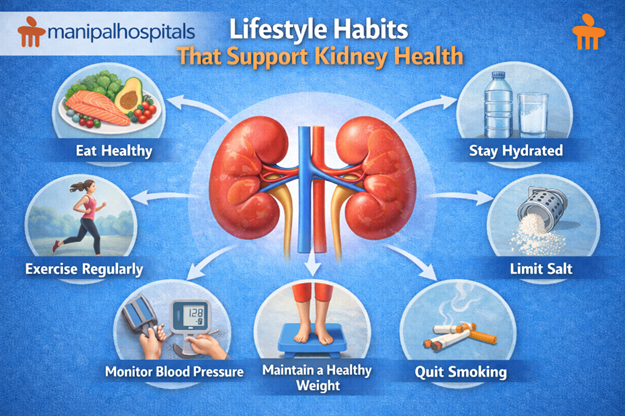
Diet works best combined with simple habits:
-
Keep blood pressure and blood sugar under control; these protect the kidneys.
-
Maintain a healthy weight and regular physical activity.
-
Avoid smoking and limit alcohol.
-
Take medicines only as directed and review OTC painkillers with a clinician. Some can harm the kidneys when used long-term.
These straightforward habits multiply the benefits of foods for kidney health.
When to Seek Professional Advice
See a clinician or renal dietitian if:
-
Lab tests show reduced eGFR or persistent protein in urine.
-
Blood potassium or phosphorus is outside the safe range.
-
Weight loss, poor appetite or persistent swelling develop.
A personalised plan for how to improve kidney health is essential when tests are abnormal.
Conclusion
Eating with kidney support in mind helps reduce strain on the kidneys, manage minerals like potassium and phosphorus, and maintain strength and quality of life. Small, consistent food choices, guided by lab tests and a dietitian, are the most practical route to better kidney health. Monitor results, adjust portions, and combine diet with blood pressure and sugar control for lasting benefit. For personalised dietary advice and kidney health evaluation, contact Manipal Hospital Millers Road, Bangalore.
FAQ's
If there is known kidney impairment, blood and urine tests are typically repeated every 3–6 months; for stable, normal results, annual checks may suffice. Follow the clinician’s schedule.
Dietary changes and blood pressure/blood sugar control can slow, sometimes partially reverse, decline in early stages. The goal is to stabilize function and prevent progression.
Plant proteins can be gentler on the kidneys, but attention to potassium and phosphorus in some plant foods is important. Balance and portion control are key.
Many herbal teas are safe, but avoid unregulated remedies. Check with a clinician since some herbs can alter electrolytes or interact with medications.
A renal dietitian provides personalised plans. For local services and follow-up testing, contact clinics that offer integrated care and dietary counselling.
Share this article on: