

Vascular Diseases
Vascular Diseases
KMC Hospital offers comprehensive varicose vein treatment in Mangalore and specialised care for multiple vascular diseases affecting arteries, veins, and lymphatic vessels. These include varicose veins, aneurysms, atherosclerosis, deep vein thrombosis, and pulmonary embolism. Without timely care, vascular diseases can cause stroke, limb loss, or kidney complications. High cholesterol, high blood pressure, infections, injury, and genetics are common causes. Early evaluation and prompt treatment are essential to prevent progression.
Our Locations
-
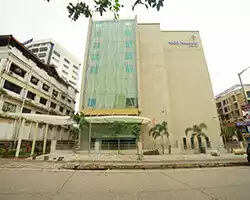
Mangaluru
Didn’t find what you were looking for?
Get in touch with our representatives for help!
Request a CallbackSymptoms of Vascular Diseases
Symptoms vary depending on the specific vascular condition. Common signs include leg or arm pain, cramping, or weakness; chest pain; slow-healing wounds; and reduced pulses. Many individuals also notice swollen, twisted, and prominent veins, especially in the legs.
How We Diagnose Vascular Diseases
Diagnosis at KMC Hospital begins with a detailed review of symptoms, medical history, and a thorough physical examination. Doctors perform blood tests and vascular imaging, such as Doppler ultrasound, CT angiography, or MR angiography, to identify blockages, clots, or abnormal vessel structure. Accurate assessment enables specialists to deliver the best treatment for varicose veins in Mangalore and other vascular conditions.
Treatment Options
Treatment depends on the underlying vascular disease. Options include lifestyle modification, medications, non-surgical procedures such as angioplasty, stenting, and vein ablation, and surgical interventions performed by vascular specialists. Doctors tailor each approach to improve circulation, relieve symptoms, and prevent future complications.
What to Expect
The journey of varicose vein treatment in Mangalore begins with a complete clinical evaluation supported by imaging and laboratory tests. Based on these findings, doctors create a personalised treatment plan. Initial management may involve lifestyle improvements, a low-fat diet, regular exercise, and medications such as antihypertensives, blood thinners, cholesterol-lowering drugs, or clot-dissolving agents.
During varicose vein treatment, enlarged veins are managed using sclerotherapy or laser therapy. Small varicose veins are treated through tiny punctures, while larger veins are closed using radiofrequency or laser energy delivered through a catheter. Angioplasty widens narrowed arteries, and stent placement keeps them open. In severe arterial blockages, bypass surgery is performed to restore blood flow.
After treatment, patients are advised to maintain regular physical activity, follow a balanced low-carb diet, and avoid smoking, alcohol, and inactivity. Wearing compression stockings helps support circulation. Routine follow-up visits monitor cholesterol, glucose levels, vascular status, and overall health. As part of the best treatment for varicose veins in Mangalore, specialists ensure tailored guidance that promotes lasting vascular stability and overall health.
Consult our Experts
FAQs
-
What are the symptoms of vascular diseases?
The symptoms of vascular disease depend on which part of the body is affected, but they often include pain or heaviness in the limbs during physical activity. You might also notice skin changes, such as a bluish tint, sores that are slow to heal, or a persistent feeling of coldness in the hands and feet. In some cases, symptoms may include sudden numbness, weakness, or swelling in a specific area of the body.
-
What are the most common vascular diseases?
Among the most frequent conditions are peripheral artery disease (PAD), which involves narrowed arteries in the legs, and carotid artery disease, which affects blood flow to the brain. Chronic venous insufficiency and varicose veins are also very common, occurring when the valves in the veins do not function properly. Other prevalent issues include abdominal aortic aneurysms and blood-clotting disorders like deep vein thrombosis (DVT).
-
How serious is vascular disease?
Vascular diseases are considered serious medical concerns because they directly impact the delivery of oxygen and nutrients to vital organs and tissues. If left unmanaged, they can lead to severe complications such as a heart attack, stroke, or critical limb ischemia. However, many vascular conditions are manageable or even reversible if they are detected and treated in their early stages.
-
How to treat vascular diseases?
Treatment typically begins with lifestyle modifications such as adopting a heart-healthy diet, increasing regular exercise, and avoiding tobacco use. Medical professionals may also prescribe medications to lower blood pressure, manage cholesterol, or prevent blood clots from forming. In more advanced cases, minimally invasive procedures like angioplasty or surgical interventions may be necessary to restore proper blood flow.



You’re on Our Indian Website
Visit the Global site for International patient services
'Click' to chat with us
