
.webp "Tumor Treatment in Mangalore | Manipal Hospitals")
Tumours
Tumours
KMC Hospital offers specialised cancer treatment in Mangalore, providing comprehensive care for patients with tumours. These abnormal tissue growths may be non-cancerous (benign) or cancerous (malignant). Benign tumours grow locally without spreading, while malignant tumours grow aggressively and can invade other organs. Factors such as genetics, excessive alcohol use, environmental toxins, radiation exposure, and excessive sun exposure contribute to tumour development. Early evaluation and effective treatment help prevent serious, life-threatening complications.
Our Locations
-
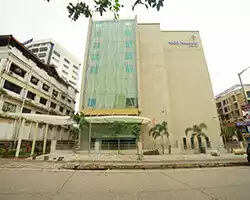
Mangaluru
Didn’t find what you were looking for?
Get in touch with our representatives for help!
Request a CallbackSymptoms of Tumours
Early tumour symptoms are often subtle, making close observation important. Depending on the tumour’s type and location, symptoms may include headaches, seizures, fever, fatigue, unexplained weight changes, reduced appetite, and persistent body aches or pain.
How We Diagnose Tumours
Diagnosis at KMC Hospital begins with a detailed review of symptoms, medical history, and a clinical examination. Blood tests and imaging studies such as CT, MRI, or PET-CT assess tumour size and spread. A biopsy confirms the tumour type and guides therapy. As the best hospital for tumour treatment in Mangalore, it provides precise, personalised treatment planning.
Treatment Options
Treatment varies based on tumour location, type, and stage. Doctors tailor each plan to the patient’s specific condition. Cancerous tumours may require chemotherapy, radiation therapy, surgery, hormone therapy, targeted therapy, or immunotherapy.
What to Expect
Patients receiving cancer treatment in Mangalore at Manipal Hospitals undergo a complete evaluation, including symptom assessment and family history review. Blood tests, imaging, and biopsy results confirm whether a tumour is benign or malignant, allowing specialists to create a customised treatment plan.
Benign tumours may only require surgery when they cause symptoms. Malignant tumours often need a combination of treatments, such as surgery with chemotherapy or radiation, to improve outcomes. In early-stage cancers, chemotherapy alone may be sufficient, but in most cases, it is combined with other therapies when the disease has spread. Care plans aim to minimise side effects, promote healing, and support overall well-being.
After treatment, patients receive nutrition counselling, pain-management support, and physiotherapy to restore strength and function. Regular follow-up visits help monitor recovery and reduce the risk of recurrence. Recognised as one of the best hospitals for tumour treatment in Mangalore, it provides multidisciplinary care supported by advanced technology and a compassionate, patient-centred approach.
Consult our Experts
FAQs
-
Are all tumours cancerous?
Not all tumours are cancerous; they are broadly categorized as either benign (non-cancerous) or malignant (cancerous). Benign tumours stay in one place and do not spread to other parts of the body, though they can still cause issues if they press on nearby organs. Malignant tumours, however, are made of abnormal cells that grow uncontrollably and have the potential to invade surrounding tissues or spread throughout the body.
-
Are tumours painful?
A tumour itself may not be painful in its early stages, but it can cause significant discomfort as it grows and presses against nerves, bones, or organs. The level of pain often depends on the tumour's location and whether it causes inflammation or restricts blood flow in a specific area. However, many tumours are discovered during routine check-ups before the person ever feels physical pain.
-
What are some common tumour surgeries?
Common surgical procedures include a biopsy, where a small piece of the mass is removed for testing, or a curative resection to remove the entire tumour. Surgeons may also perform "debulking" to remove as much of a large mass as possible when total removal is too risky for surrounding tissues. Modern techniques often use minimally invasive methods, such as laparoscopy or robotic surgery, to reduce recovery time and scarring.
-
What happens if a tumour is not removed?
If a tumour is not removed or treated, it may continue to grow and eventually interfere with the normal function of vital organs. For cancerous tumours, the lack of treatment allows the cells to metastasize, or spread, to other parts of the body, making the disease much harder to manage. Even benign tumours can become dangerous if they grow large enough to obstruct airways, blood vessels, or the digestive tract



You’re on Our Indian Website
Visit the Global site for International patient services
'Click' to chat with us
