

Solid Tumours
Solid Tumours
KMC Hospital offers expert cancer treatment in Mangalore, providing a comprehensive diagnosis and advanced management of various solid tumours. These tumours develop when abnormal cells multiply rapidly because of genetic mutations, radiation exposure, infections, or unhealthy lifestyle habits. Prompt treatment is essential to prevent cancer spread, improve recovery rates, and achieve better outcomes. Specialists create personalised treatment plans based on precise diagnosis, effective therapy, and long-term wellness goals.
Our Locations
-
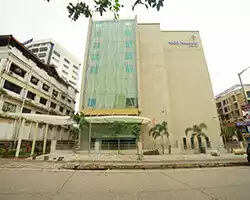
Mangaluru
Didn’t find what you were looking for?
Get in touch with our representatives for help!
Request a CallbackSymptoms of Solid Tumours
Symptoms of solid tumours vary depending on their location, size, and type. Common signs include a new or growing lump, persistent fatigue, unexplained weight loss, fever, or night sweats. These symptoms require immediate medical evaluation to identify the cause early.
How We Diagnose Solid Tumours
Doctors diagnose solid tumours using multiple tests to confirm the tumour’s presence and type. A biopsy helps examine tissue samples, while imaging tests such as CT, MRI, or PET-CT scans determine the tumour’s size, spread, and location. Blood tests may detect tumour markers that guide specialists in delivering the best cancer treatment in Mangalore.
Treatment Options
Treatment depends on the tumour’s type, size, and location. Benign tumours may be managed with monitoring or minor surgery. Whereas malignant tumours require a multidisciplinary approach involving surgery, chemotherapy, radiation therapy, targeted therapy, or immunotherapy.
What to Expect
The patient journey for cancer treatment in Mangalore at KMC Hospital follows a structured and carefully coordinated multidisciplinary approach. It begins with an accurate diagnosis and detailed staging to understand how advanced the tumour is and how it affects surrounding tissues. This information helps doctors create a customised treatment plan that matches the patient’s overall health, tumour characteristics, and long-term goals. Benign tumours are usually managed conservatively unless they press on nearby organs or produce excess hormones. Precancerous growths are monitored or removed to prevent them from progressing into cancer, while malignant tumours require timely and advanced medical intervention.
Depending on the tumour’s type, size, and location, doctors recommend the most suitable treatment plan. Options may include surgery, chemotherapy, immunotherapy, radiation therapy and targeted therapy, or a combination of these approaches. The team works to control the disease, stop its spread, and minimise its chances of recurrence. Specialists use a collaborative, multidisciplinary model to deliver the best cancer treatment in Mangalore. They provide holistic care that supports emotional well-being, strengthens recovery, and improves long-term quality of life.
Consult our Experts
FAQs
-
What is a solid tumour?
A solid tumour is an abnormal mass of tissue that usually does not contain cysts or liquid areas. These masses are formed when cells multiply uncontrollably in a specific part of the body, such as the lungs, colon, or breasts. They are named after the type of cells that form them, such as sarcomas or carcinomas.
-
Do all cancers form solid tumours?
No, not all cancers form solid masses in the body. Cancers of the blood, such as leukemia, multiple myeloma, and most types of lymphoma, generally do not produce solid tumours. Instead, these "liquid" cancers circulate through the bloodstream or the lymphatic system.
-
What causes solid tumours?
Solid tumours develop due to genetic mutations that cause cells to grow and divide at an unregulated pace. These mutations can be inherited from parents or acquired over time due to environmental factors like tobacco use, radiation, or certain viruses. As these mutated cells accumulate, they clump together to form a distinct mass.
-
How do solid tumours spread?
Tumours spread through a process called metastasis, where cancer cells break away from the original mass. These cells can travel to other parts of the body by moving through the walls of nearby lymph nodes or blood vessels. Once they reach a new location, they can begin to grow and form secondary tumours.
-
How do you treat solid tumours?
The primary treatment for a solid tumour is often surgery to physically remove the mass from the body. Doctors may also use chemotherapy or radiation therapy to kill any remaining cancer cells or shrink a tumour before surgery. Targeted therapies and immunotherapy are also used to help the immune system identify and attack the specific cells within the tumour.



You’re on Our Indian Website
Visit the Global site for International patient services
'Click' to chat with us
