5 Min Read
Leg nerve pain or neuropathy, often described as a burning sensation, tingling, numbness, or shooting pain, can be debilitating, affecting daily activities and overall quality of life. Conditions like sciatica, peripheral neuropathy, and nerve compression can cause this discomfort, originating from various points along the nerve pathways.
While nerve pain can be challenging, studies show that conservative treatments, including physiotherapy and targeted exercises, successfully alleviate symptoms within a few weeks to months, helping individuals reclaim their comfort and mobility.
Synopsis
Understanding Nerve Pain in Your Leg
Neuropathy in the leg typically arises when a nerve is compressed, irritated, or diseased. Common culprits include a herniated disc pressing on the sciatic nerve (sciatica), inflammation, diabetes mellitus, immune disorders or conditions affecting nerve function like peripheral neuropathy. Identifying the underlying cause of leg nerve pain is the first step towards effective treatment.
Gentle Movement and Targeted Exercises
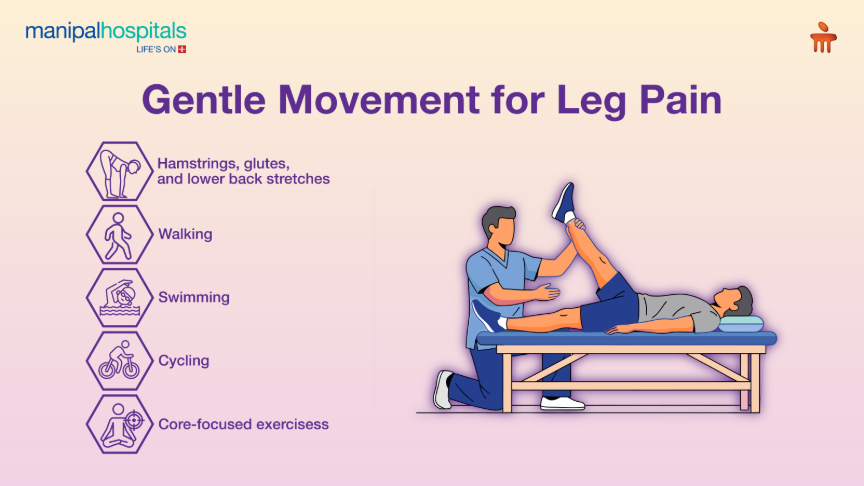
Gentle movement usually helps with recovery along with rest. Specific exercises can help decompress nerves, strengthen supporting muscles, and improve flexibility. Regular, gentle exercise has been shown to reduce nerve pain intensity in many patients. Some of these include:
-
Gentle stretches for the hamstrings, glutes, and lower back can relieve pressure on compressed nerves.
-
Walking, swimming, or cycling can improve circulation and reduce inflammation without stressing the nerves.
-
Doing core focused exercises can help strengthen it. A strong core supports the spine, reducing the load on lower back nerves.
Lifestyle Modifications
Simple changes in your daily routine can make a big difference in managing nerve pain and preventing its recurrence:
-
Be mindful of your posture while sitting, standing, and lifting. Proper posture reduces strain on your spine and nerves.
-
Ensure your workspace is ergonomically sound, with adequate back support and proper screen height.
-
Carrying excess weight, particularly around the abdomen, can put additional pressure on your spine and nerves. Maintaining a healthy body weight can significantly reduce the risk of nerve compression.
Prioritising Rest and Sleep
Adequate rest is crucial for your body's healing process. Ensure you get 7-9 hours of quality sleep each night. Experiment with different sleeping positions and consider a supportive mattress or pillow to alleviate pressure points.
Nutritional Support and Hydration
A balanced diet rich in anti-inflammatory foods can support nerve health and reduce overall body inflammation. Focus on fruits, vegetables, lean proteins, and healthy fats. Staying well-hydrated is also essential for nutrient transport and tissue health.
When to Seek Professional Help
While self-care strategies are beneficial, persistent or worsening nerve pain warrants professional evaluation. Early diagnosis and intervention can improve long-term outcomes with chronic nerve pain conditions.
-
Physiotherapy: A physiotherapist can formulate a personalised exercise program, offer manual therapy, and provide guidance on posture and body mechanics.
-
Pain Management Specialists: For severe or chronic cases, a pain management specialist can offer advanced treatments, including nerve blocks or other interventional procedures.
-
Neurological Consultation: In cases of suspected underlying neurological conditions, a neurologist can provide a comprehensive diagnosis and treatment plan.
Care Essentials: Do's and Don'ts
Navigating nerve pain requires careful attention to your body's signals. Here's a quick
|
Do's: |
Don'ts: |
|
Engage in gentle, recommended exercises daily. |
Ignore persistent or severe pain needs professional attention. |
|
Be mindful of your posture and body alignment throughout the day. |
Overdo it and avoid activities that exacerbate your pain. |
|
Listen to your body and rest when needed, but avoid prolonged inactivity. |
Sit or stand for prolonged periods of time. Take regular breaks to move around. |
|
Use Heat/Cold as appropriate for pain and inflammation. |
Avoid lifting heavy objects, especially with poor form. |
|
Drink plenty of water to support overall health. |
Self-medicate indefinitely and consult a healthcare provider for ongoing pain management. |
Conclusion
While mild nerve pain can occasionally resolve with rest and home care, persistent leg pain is often a sign of nerve compression or inflammation. Conditions such as sciatica, peripheral nerve injuries, or herniated discs can lead to significant discomfort and limited mobility. If you are struggling with leg pain, the Department of Neurology at KMC Hospital, Mangalore, offers expert intervention and personalized management strategies. Our neurologists collaborate across disciplines—including physiotherapy and orthopedics—to provide holistic care designed to reduce your pain and restore your freedom of movement.
FAQ's
Nerve pain in the leg can be caused by various factors, including compression of nerves (e.g., from a herniated disc, spinal stenosis, or bone spurs), inflammation, injuries, or underlying medical conditions like diabetes (peripheral neuropathy).
Mild nerve pain, especially due to temporary compression or strain, can sometimes resolve on its own with rest and conservative measures. However, persistent, severe, or worsening pain usually requires professional assessment and treatment to prevent long-term complications.
Gentle exercises that promote flexibility, strengthen core muscles, and improve circulation are beneficial. These include walking, swimming, cycling, yoga, and specific stretches for the hamstrings, glutes, and lower back, guided by a physiotherapist.
You should seek immediate medical attention if your leg nerve pain is accompanied by sudden weakness or loss of sensation in the leg, loss of bowel or bladder control, severe pain following an injury, or if the pain is rapidly worsening.
The healing time for nerve pain varies widely depending on the cause, severity, and individual factors. Mild cases might improve within a few weeks with conservative treatment, while more severe or chronic conditions could take several months or require ongoing management.
While diet alone cannot cure nerve pain, an anti-inflammatory diet rich in fruits, vegetables, whole grains, and lean proteins can help reduce systemic inflammation, which may contribute to nerve pain. Staying well-hydrated is also important for overall nerve health.
Share this article on: