
.webp "Typhoid Treatment in Kolkata")
Typhoid
Typhoid
Typhoid is caused by Salmonella Typhi bacteria and spreads through contaminated food or water. The illness primarily affects the digestive system and can weaken overall immunity, leading to serious complications if not treated early. Manipal Hospitals offers comprehensive typhoid treatment in Kolkata, providing timely and effective care for affected individuals. Doctors focus on early diagnosis, appropriate antibiotic therapy, and supportive care to control infection, prevent complications, and ensure a safe, smooth recovery.
Our Locations
-

Salt Lake - Kolkata
-

Dhakuria - Kolkata
-

Mukundapur - Kolkata
-
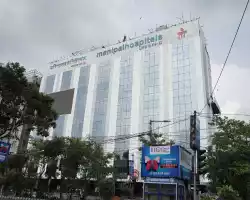
Broadway - Kolkata
-

EM Bypass - Kolkata
Didn’t find what you were looking for?
Get in touch with our representatives for help!
Request a CallbackSymptoms of Typhoid
Typhoid shows persistent fever, abdominal pain, weakness, appetite loss, and digestive discomfort. These symptoms gradually worsen without timely assessment, proper medical evaluation, and suitable care. Therefore, making early attention essential for preventing complications and supporting overall health.
How We Diagnose Typhoid
A detailed diagnosis at Manipal Hospitals starts with clinical consultation and medical history review. Doctors assess symptoms and recommend appropriate investigations, including a typhoid test in Kolkata, to confirm the infection accurately. Diagnostic methods such as blood culture, the Widal test, and complete blood counts support precise monitoring. These findings guide early intervention and effective planning for typhoid treatment.
Treatment Options
Management of typhoid includes antibiotics, hydration support, adequate rest, and tailored dietary guidance. These measures help control the infection effectively and promote steady recovery through comprehensive, well-coordinated medical care. Regular follow-up helps ensure complete resolution and prevents relapse.
What to Expect
Manipal Hospitals delivers comprehensive typhoid treatment in Kolkata, with care focused on early recovery and prevention of complications. Treatment begins with appropriate antibiotics, adequate hydration, rest, and supportive care to control infection, reduce fever, and restore strength. Dietary guidance helps minimise digestive strain and improve nutrient absorption during healing.
As recovery progresses, most patients experience improved appetite, better fever control, and increased energy within a few days. Continuous clinical monitoring allows doctors to track response to treatment, adjust medications when required, and detect complications early. Follow-up visits support safe recovery and help patients return to daily activities with confidence.
Accurate diagnosis supports effective treatment planning. Doctors rely on clinical evaluation and blood investigations, including a typhoid test in Kolkata, to confirm infection and monitor response. Early testing also helps differentiate typhoid from other febrile illnesses and ensures timely, appropriate care. With structured medical supervision, hygiene education, and preventive guidance such as safe drinking water and vaccination, patients achieve sustained recovery. This approach also supports long-term health and overall well-being.
Consult our Experts
FAQs
-
When should I see a doctor for typhoid?
Consult a doctor if you have persistent high fever, abdominal discomfort, or weakness lasting several days, especially after consuming contaminated food or water.
-
How is typhoid diagnosed?
Diagnosis is done through blood tests, stool or urine cultures, and sometimes specialised tests to detect Salmonella typhi and confirm infection.
-
Is hospitalisation required for typhoid?
Mild cases can be treated at home, but severe cases with complications, dehydration, or persistent vomiting may require hospitalisation for close monitoring and intravenous treatment.
-
How long does typhoid recovery take?
Recovery usually takes one to two weeks with proper treatment, although weakness may persist for a longer period, requiring adequate rest and nutrition.
-
What are the complications of untreated typhoid?
Untreated typhoid can lead to intestinal perforation, bleeding, severe dehydration, and life-threatening infections, making early diagnosis and treatment essential.



You’re on Our Indian Website
Visit the Global site for International patient services
'Click' to chat with us
