

trauma
trauma
Trauma is a serious medical condition caused by sudden injury due to road accidents, falls, workplace incidents, or violence. Such injuries can affect multiple organs, leading to severe bleeding, shock, or organ failure. Manipal Hospitals trauma care centre in Kolkata provides rapid assessment, bleeding control, and advanced life support. Experienced trauma specialists and critical care teams deliver timely, coordinated treatment to stabilise patients and support survival and long-term recovery.
Our Locations
-

Salt Lake - Kolkata
-
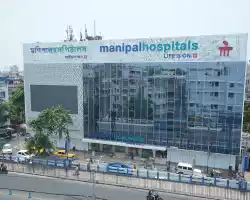
Dhakuria - Kolkata
-
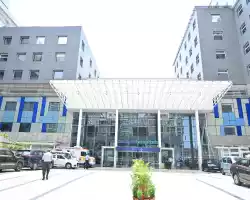
Mukundapur - Kolkata
-
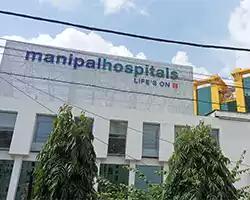
EM Bypass - Kolkata
Didn’t find what you were looking for?
Get in touch with our representatives for help!
Request a CallbackSymptoms of trauma
Trauma is a medical emergency that can cause symptoms such as heavy bleeding, severe pain, breathing difficulty, dizziness, confusion, fractures, swelling, or loss of consciousness. Any serious injury requires urgent medical evaluation, even if symptoms appear mild at first.
How We Diagnose trauma
Doctors begin diagnosis with a rapid primary assessment to evaluate breathing, circulation, and neurological status. They perform physical examinations, check vital signs, and use imaging tests such as X-rays, ultrasound, or CT scans to identify internal injuries. These steps help guide urgent treatment decisions and ensure prompt intervention through specialised emergency medical services in Kolkata.
Treatment Options
Treatment focuses on stabilising vital functions, controlling bleeding, and managing internal or external injuries. Specialists may secure the airway, perform chest decompression, provide pain control and wound care, or conduct emergency surgery. Continuous monitoring helps prevent complications and support early recovery.
What to Expect
At the trauma care centre in Kolkata, patients receive rapid, coordinated care from a multidisciplinary team trained in emergency trauma management. The team immediately transfers the patient to a prepared treatment area, ensuring no delay in stabilisation. Multiple actions occur simultaneously: monitoring vital signs, drawing blood, performing imaging, and assessing injuries. Senior clinicians determine the next steps based on the patient’s condition.
If internal bleeding or organ damage is detected, surgeons act quickly to perform life-saving procedures. Patients who need intensive monitoring or ventilatory support are shifted to the hospital’s critical care unit in Kolkata, where specialists continuously track vital functions and manage complications.
Once stabilised, the care team focuses on pain management, infection prevention, and restoring mobility. Rehabilitation services, including physiotherapy and long-term follow-up, help patients regain strength and improve their overall function. Throughout the recovery process, Manipal Hospitals, Kolkata, ensures clear communication, emotional support, and personalised care. This commitment enables patients and families to move confidently toward safe recovery and long-term well-being.
Consult our Experts
FAQs
-
When should I seek emergency care for trauma?
Seek immediate care if there is heavy bleeding, loss of consciousness, difficulty breathing, severe pain, or suspected fractures, as delays can worsen outcomes.
-
Can trauma be life-threatening?
Yes, severe trauma can be life-threatening, particularly when it involves head injuries, internal bleeding, or multiple organ damage.
-
What is the role of emergency care in trauma?
Emergency care focuses on stabilising the patient, controlling bleeding, ensuring airway and breathing, and preventing further complications.
-
What is rehabilitation after trauma?
Rehabilitation includes physiotherapy, occupational therapy, and counselling to help patients regain mobility, strength, and normal functioning after injury.
-
What is polytrauma?
Polytrauma refers to multiple severe injuries affecting different body parts simultaneously, often requiring coordinated emergency and surgical care.



You’re on Our Indian Website
Visit the Global site for International patient services
'Click' to chat with us
