.webp "IBS Treatment in Kolkata | Manipal Hospitals")
.webp "IBS Treatment in Kolkata | Manipal Hospitals")
IBS
IBS
Manipal Hospitals offers comprehensive IBS treatment in Kolkata. Irritable bowel syndrome (IBS) is a digestive disorder characterised by periodic abdominal pain and altered bowel habits. Based on the symptoms, IBS is categorised into IBS-C (constipation-predominant), IBS-D (diarrhoea-predominant), IBS-M (mixed bowel habits) and IBS-U (unclassified). Factors contributing to IBS include gut-brain interaction disorders, gastrointestinal dysmotility, and altered gut microbiota. Accurate diagnosis plays a key role in improving the quality of life.
Our Locations
-

Salt Lake - Kolkata
-
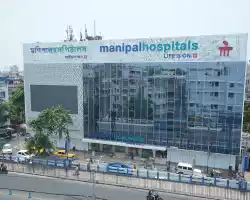
Dhakuria - Kolkata
-

Mukundapur - Kolkata
-
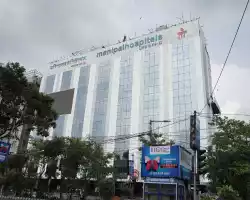
Broadway - Kolkata
-

EM Bypass - Kolkata
Didn’t find what you were looking for?
Get in touch with our representatives for help!
Request a CallbackHow We Diagnose IBS
Diagnosis of IBS at Manipal Hospitals begins with a detailed assessment of symptoms and medical history to rule out other conditions. Blood tests, stool analysis, and hydrogen breath tests help evaluate digestive function. Imaging or endoscopy may be advised when needed. These findings guide accurate diagnosis and personalised digestive disorder management in Kolkata.
Treatment Options
Treatment for IBS includes dietary modifications (low-FODMAP diet) and changes in daily activities. For symptom relief, medications, including antispasmodics, antidiarrhoeals, laxatives, and low-dose antidepressants, are recommended. Cognitive behavioural therapy (CBT), Hypnotherapy, and Biofeedback interventions may be recommended for stress management.
What to Expect
Patients seeking IBS treatment in Kolkata benefit from a multidisciplinary approach. Dietitians, gastroenterologists, and psychologists work together seamlessly to provide reliable, holistic, patient-centred care for IBS. A complete treatment plan combines lifestyle changes, diet, medicines, and psychological support, based on each patient’s needs. Diagnosis begins with a thorough review of symptoms to rule out other gastrointestinal conditions, such as inflammatory bowel disease and coeliac disease. Red flag symptoms indicating an underlying disorder are identified.
A dietitian can recommend diet modifications to help prevent symptom flare-ups. They may recommend a gradual introduction of a high-fibre diet for individuals with constipation. For IBS-D cases, dairy products, carbonated beverages, and foods high in insoluble fibre may be limited, based on individual tolerance. Regular exercises, relaxation techniques, and sufficient sleep may be recommended for symptom relief. To cope with stress, depression, and anxiety, talk therapy may be considered. Medications to ease constipation, diarrhoea, pain, and cramps may be prescribed.
After treatment, patients are advised to adopt a healthy lifestyle, including stress management, adequate sleep, hydration, and regular physical activity. Regular follow-ups are scheduled to monitor treatment progress. Manipal Hospitals offers advanced gastroenterology care in Kolkata, focusing on improving long-term outcomes.
Consult our Experts
FAQs
-
What causes IBS?
The exact cause of IBS is unclear, but it may involve gut-brain interaction issues, intestinal sensitivity, infections, stress, and dietary factors that affect digestive function.
-
When should I see a doctor for IBS symptoms?
Consult a doctor if symptoms persist, worsen, or interfere with daily life, or if you experience warning signs like unexplained weight loss, bleeding, or severe pain.
-
Can IBS be cured?
IBS cannot be completely cured, but symptoms can be effectively managed with proper treatment, diet, and lifestyle changes, allowing patients to lead a normal life.
-
What diet is recommended for IBS?
A low-FODMAP diet, high-fibre intake (for some patients), and avoiding trigger foods like spicy or fatty meals can help manage symptoms effectively.
-
Is IBS a serious condition?
IBS is not life-threatening but can significantly affect quality of life. Proper management helps control symptoms and prevent discomfort.



You’re on Our Indian Website
Visit the Global site for International patient services
'Click' to chat with us
