
.webp "Hyperthyroidism Treatment in Kolkata | Manipal Hospitals")
Hyperthyroidism
Hyperthyroidism
Manipal Hospitals offer advanced hyperthyroidism treatment in Kolkata. Hyperthyroidism occurs when the thyroid gland produces excessive hormones, leading to an accelerated metabolic rate. It commonly results from conditions such as Graves’ disease, thyroid nodules, thyroiditis, or excess iodine exposure in susceptible individuals. Genetic predisposition, autoimmune disorders, and certain medications may increase the risk. If untreated, hyperthyroidism can lead to heart rhythm problems, thyroid eye disease, osteoporosis, and fertility concerns.
Our Locations
-
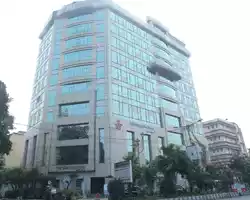
Salt Lake - Kolkata
-
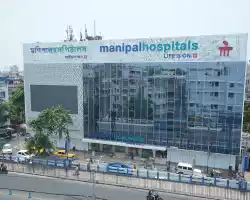
Dhakuria - Kolkata
-
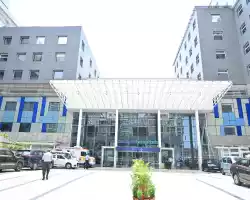
Mukundapur - Kolkata
-
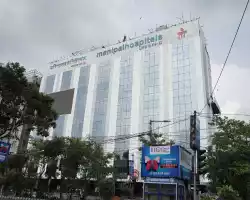
Broadway - Kolkata
-

EM Bypass - Kolkata
Didn’t find what you were looking for?
Get in touch with our representatives for help!
Request a CallbackSymptoms of Hyperthyroidism
Symptoms may include increased appetite, weight loss, irregular heartbeat, muscle weakness, heat intolerance, frequent bowel movements, and goitre. Patients may also notice nervousness, irritability, fatigue, thyroid eye disease, enlarged thyroid gland, menstrual irregularities, and reduced fertility.
How We Diagnose Hyperthyroidism
Diagnosis begins with a detailed review of symptoms, medical history, and a physical examination. Blood tests, including TSH, T3, T4, and thyroid antibodies, help confirm the condition. Imaging tests such as ultrasound, a thyroid scan, or radioactive iodine uptake studies assist in identifying the underlying cause. These evaluations support precise assessment and management at a leading hyperthyroidism treatment hospital in Kolkata.
Treatment Options
Treatment options for hyperthyroidism depend on the severity and underlying cause. Options may include anti-thyroid medications and radioiodine therapy. Thyroid surgery may be recommended for large goitres or cases that do not respond to other treatments.
What to Expect
Manipal Hospitals offers advanced hyperthyroidism treatment in Kolkata through a structured and supportive care pathway. A thorough physical examination is performed to check for goitre, tremors, an irregular pulse, eye changes, and skin variations. A low TSH level combined with elevated T4 confirms hyperthyroidism.
Based on the patient’s age, symptom severity, underlying cause, and overall health, specialists create an individualised treatment plan. Anti-thyroid medications or beta-blockers may be used to reduce symptoms and stabilise hormone levels. Radioactive iodine therapy may be recommended to reduce excess hormone production. Thyroid surgery is offered for large goitres, persistent hyperthyroidism, or when other treatments are unsuitable.
Throughout treatment, patients receive guidance on diet, avoiding iodine-rich foods, medication schedules, and symptom monitoring. Patients are also guided on managing thyroid-related symptoms to ensure complete and comfortable recovery. Regular follow-ups help track hormone levels and adjust treatment as needed. With consistent care at the hyperthyroidism treatment hospital in Kolkata, patients can expect improved thyroid balance, reduced symptoms, and better overall well-being.
Consult our Experts
FAQs
-
What are the common symptoms of hyperthyroidism?
Symptoms may include rapid heartbeat, unexplained weight loss, increased appetite, sweating, nervousness, tremors, fatigue, and difficulty sleeping. Some patients may also experience swelling in the neck due to an enlarged thyroid gland.
-
What causes hyperthyroidism?
Hyperthyroidism may occur due to conditions such as Graves’ disease, thyroid nodules, thyroid inflammation, or excessive iodine intake. These conditions cause the thyroid gland to produce more hormones than the body needs.
-
How is hyperthyroidism diagnosed?
Doctors diagnose hyperthyroidism using blood tests that measure thyroid hormone levels and thyroid-stimulating hormone (TSH). Imaging tests such as thyroid scans or ultrasounds may also be used to identify the underlying cause.
-
Can hyperthyroidism affect the heart?
Yes, untreated hyperthyroidism can lead to heart-related complications such as rapid heartbeat, irregular heart rhythm, or increased blood pressure. Early diagnosis and treatment help reduce the risk of these complications.
-
What treatment options are available for hyperthyroidism?
Treatment may include anti-thyroid medications, radioactive iodine therapy, or thyroid surgery. The treatment approach depends on the severity of the condition, the underlying cause, and the patient’s age and overall health.



You’re on Our Indian Website
Visit the Global site for International patient services
'Click' to chat with us
